

As a supplier of PP Honeycomb Panels, I understand the importance of chemical resistance in various applications. PP Honeycomb Panels are widely used in industries such as construction, automotive, and packaging due to their lightweight, high strength, and excellent energy absorption properties. However, their performance can be significantly affected by exposure to chemicals. In this blog, I will share some effective ways to improve the chemical resistance of PP Honeycomb Panels.
Understanding the Chemical Resistance of PP Honeycomb Panels
Before we delve into the methods of improving chemical resistance, it's essential to understand the factors that affect it. Polypropylene (PP), the material used in PP Honeycomb Panels, has inherent chemical resistance to many substances. It is resistant to most non - oxidizing acids, alkalis, and some organic solvents at room temperature. However, its resistance can be compromised under certain conditions, such as high temperatures, long - term exposure, and contact with strong oxidizing agents or specific solvents.
Surface Treatments
One of the most common ways to enhance the chemical resistance of PP Honeycomb Panels is through surface treatments. These treatments create a protective layer on the panel's surface, preventing chemicals from penetrating the material.
Coating
Applying a chemical - resistant coating is an effective method. There are various types of coatings available, such as epoxy coatings, polyurethane coatings, and fluoropolymer coatings. Epoxy coatings are known for their excellent adhesion and resistance to a wide range of chemicals, including acids, alkalis, and solvents. Polyurethane coatings offer good abrasion resistance in addition to chemical resistance, making them suitable for applications where the panels may be subject to mechanical wear. Fluoropolymer coatings, like PTFE (polytetrafluoroethylene), provide outstanding chemical inertness and low surface energy, which can repel many chemicals.
When applying a coating, it is crucial to ensure proper surface preparation. The panel surface should be clean, dry, and free of contaminants. Sanding or chemical etching can be used to improve the adhesion of the coating. After application, the coating should be cured according to the manufacturer's instructions to achieve optimal performance.
Lamination
Laminating the PP Honeycomb Panel with a chemical - resistant film is another option. Films made of materials such as polyethylene terephthalate (PET), polyvinyl chloride (PVC), or fluoropolymers can be used. PET films offer good mechanical properties and chemical resistance, while PVC films are relatively inexpensive and have fair chemical resistance. Fluoropolymer films, as mentioned earlier, provide the highest level of chemical inertness.
Lamination can be done using adhesives or heat - sealing methods. Adhesive lamination requires selecting an adhesive that is compatible with both the panel and the film and has good chemical resistance itself. Heat - sealing is a more straightforward process, but it requires precise control of temperature and pressure to ensure a strong bond.
Material Modification
In addition to surface treatments, modifying the base material of the PP Honeycomb Panel can also improve its chemical resistance.
Copolymerization
Copolymerizing polypropylene with other monomers can change its chemical structure and enhance its resistance to specific chemicals. For example, copolymerizing PP with ethylene can improve its toughness and resistance to some solvents. The resulting copolymer has a more flexible molecular structure, which can better withstand the swelling and degradation caused by chemical exposure.
Filler Addition
Adding fillers to the polypropylene matrix can also enhance chemical resistance. Fillers such as glass fibers, carbon fibers, and talc can improve the panel's mechanical properties and act as a barrier to chemical penetration. Glass fibers, in particular, can reinforce the panel and reduce the diffusion of chemicals through the material. Talc, on the other hand, can improve the panel's resistance to some acids and alkalis by absorbing and neutralizing them.
When adding fillers, it is important to consider the filler's compatibility with the polypropylene matrix and the processing conditions. The filler content should be optimized to achieve the desired balance between chemical resistance and other properties such as weight and cost.
Design Considerations
Proper design of the PP Honeycomb Panel can also contribute to its chemical resistance.
Sealing
Ensuring proper sealing of the panel edges and joints is crucial to prevent chemicals from entering the honeycomb structure. Sealing materials such as gaskets, sealants, or O - rings can be used. The sealing material should be selected based on its compatibility with the chemicals the panel will be exposed to. For example, silicone sealants are resistant to many chemicals and have good flexibility, making them suitable for sealing joints in PP Honeycomb Panels.
Drainage and Ventilation
In applications where the panel may be exposed to liquids, providing proper drainage and ventilation can prevent the accumulation of chemicals on the panel surface. This can reduce the risk of chemical attack and corrosion. For example, in outdoor applications, the panel can be designed with a sloped surface or drainage holes to allow water and other liquids to drain away quickly.
Application - Specific Approaches
Different applications may require specific approaches to improve chemical resistance.
Construction Industry
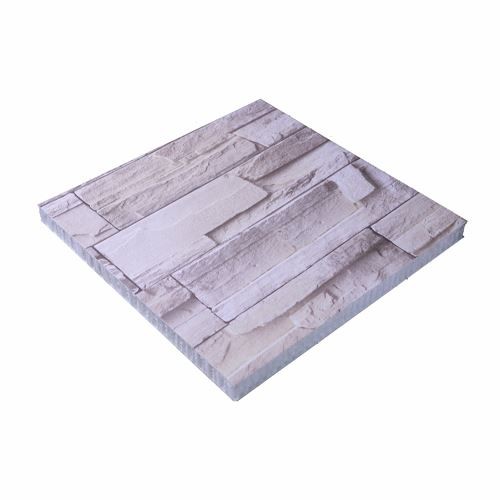
In the construction industry, PP Honeycomb Panels are often used for interior and exterior wall cladding, partitions, and roofing. For exterior applications, the panels need to be resistant to weathering agents such as rain, sunlight, and pollutants. Surface treatments like UV - resistant coatings can be applied to protect the panels from degradation caused by sunlight. In addition, the panels should be sealed properly to prevent water penetration, which can carry chemicals and cause corrosion.
For interior applications, the panels may be exposed to cleaning agents, paints, and other chemicals. Using chemical - resistant coatings or laminates can ensure that the panels maintain their appearance and performance over time.
Automotive Industry
In the automotive industry, PP Honeycomb Panels are used for interior trim, door panels, and lightweight structural components. The panels may be exposed to automotive fluids such as gasoline, oil, and coolant. Surface treatments with fluoropolymer coatings or chemical - resistant films can provide the necessary protection. Additionally, the design of the panels should consider the potential for chemical spills and ensure that the fluids can drain away easily.
Packaging Industry
In the packaging industry, PP Honeycomb Panels are used for shipping and storing various products. The panels may come into contact with the packaged goods, which could contain chemicals. For example, food packaging may require the panels to be resistant to food - grade chemicals and additives. In this case, using food - grade polypropylene and applying food - contact - approved coatings or films can ensure the safety and integrity of the packaging.
Conclusion
Improving the chemical resistance of PP Honeycomb Panels is essential for their performance and longevity in various applications. By using surface treatments such as coating and lamination, modifying the base material through copolymerization and filler addition, considering design factors like sealing and drainage, and adopting application - specific approaches, we can significantly enhance the panels' ability to withstand chemical exposure.
If you are interested in purchasing high - quality PP Honeycomb Panels with excellent chemical resistance, please feel free to contact us for more information and to discuss your specific requirements. We are committed to providing you with the best solutions for your projects. You can also visit our websites Honeycomb - building - panels and Thermoplastic Honeycomb Core to learn more about our products.
References
- "Handbook of Polypropylene," Edited by James K. Park, CRC Press, 2018.
- "Polymer Coatings: Fundamentals, Applications, and Developments," By K. L. Mittal, Elsevier, 2019.
- "Plastics in Automotive Engineering," By G. Menges, H. Michaeli, and W. Spurk, Hanser Publishers, 2017.