

Hey there! As a supplier of Non Woven Honeycomb Panels, I often get asked, "Can Non Woven Honeycomb Panel be bent?" Well, let's dive right into this topic and find out.
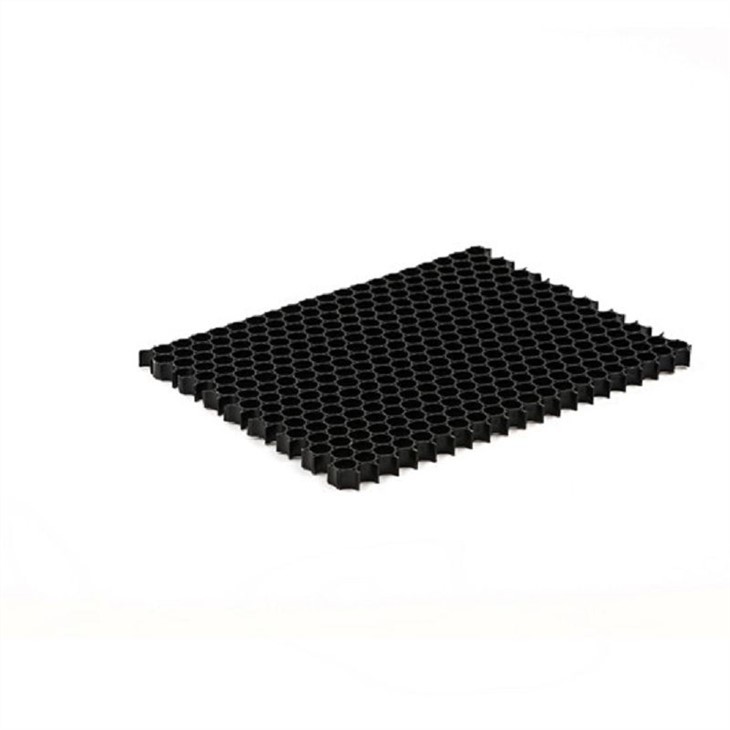
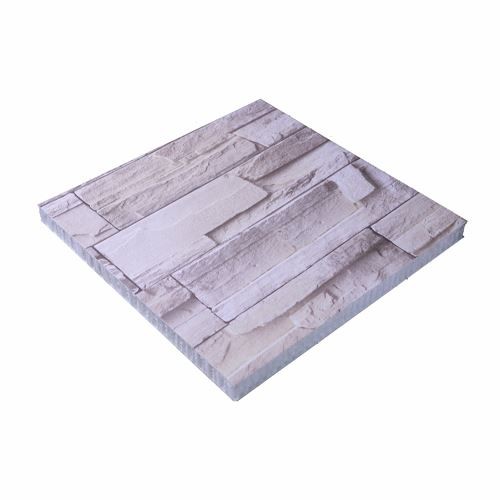
First off, let's understand what Non Woven Honeycomb Panels are. These panels are made up of a honeycomb - like structure, which gives them a unique combination of strength and lightness. They're used in a wide range of applications, from furniture manufacturing to construction. You can check out more about Thermoplastic Honeycomb Core on our website, which is related to this type of panel.
Now, back to the main question: Can they be bent? The short answer is yes, but it depends on several factors.
Factors Affecting Bendability
1. Material Composition
The materials used to make the Non Woven Honeycomb Panel play a huge role in its bendability. If the panel is made from more flexible materials, it'll be easier to bend. For example, some panels are made with polymers that have a certain degree of elasticity. On the other hand, if the materials are more rigid, like some high - strength composites, bending them will be a lot more challenging.
2. Panel Thickness
Thickness is another crucial factor. Thinner panels are generally more bendable than thicker ones. A thin Non Woven Honeycomb Panel can be bent with relatively less force, while a thick panel may require special equipment or techniques to achieve the same bend. It's like trying to bend a thin piece of cardboard versus a thick stack of it.
3. Cell Size of the Honeycomb
The size of the honeycomb cells also matters. Panels with smaller cell sizes tend to be more rigid and less bendable compared to those with larger cell sizes. Smaller cells provide more structural integrity in a straight form, but they resist bending more. Larger cells, however, allow for more flexibility as there's more "give" in the structure.
Methods of Bending Non Woven Honeycomb Panels
1. Cold Bending
Cold bending is a simple method where you apply force to the panel at room temperature. This works well for thinner panels and those made from more flexible materials. You can use basic tools like clamps and jigs to hold the panel in the desired bent shape while the force is applied. However, be careful not to apply too much force at once, as it can cause the panel to crack or break.
2. Heat Bending
For more rigid panels, heat bending is often a better option. By heating the panel, you can make the materials more malleable. You can use a heat gun or an oven (if the panel size allows) to heat the panel to a specific temperature. Once it reaches the right temperature, you can carefully bend it into the desired shape. But you need to be precise with the temperature control. If it gets too hot, the panel may deform in an unwanted way, and if it's not hot enough, it won't bend properly.
Applications of Bent Non Woven Honeycomb Panels
1. Furniture Design
In the world of furniture design, bent Non Woven Honeycomb Panels can create unique and stylish pieces. For example, curved chairs or tables can add a modern and elegant touch to any room. The lightness of the panels also makes the furniture easier to move around.
2. Architectural Structures
Architects are always looking for innovative materials to create interesting building facades. Bent Non Woven Honeycomb Panels can be used to form curved walls or domes. They offer a lightweight alternative to traditional building materials, which can reduce the overall load on the building structure. You can find more about Honeycomb - building - panels on our site, which are great for such architectural applications.
3. Automotive Industry
In the automotive industry, these bent panels can be used for interior components like dashboard trims or door panels. Their light weight helps to improve fuel efficiency, and the ability to be bent allows for custom - shaped designs that fit the specific requirements of different car models.
Challenges in Bending Non Woven Honeycomb Panels
1. Maintaining Structural Integrity
When you bend a Non Woven Honeycomb Panel, you need to make sure that its structural integrity is maintained. If the bending process is not done correctly, it can weaken the panel, making it more prone to damage in the long run. For example, if the cells of the honeycomb are crushed during bending, it can reduce the panel's strength.
2. Achieving a Uniform Bend
Getting a uniform bend across the entire panel can be tricky. Sometimes, the bend may be more pronounced in one area than another, which can affect the aesthetics and functionality of the final product. This requires careful planning and the use of proper bending techniques.
Tips for Successful Bending
1. Test First
Before bending a large number of panels, it's a good idea to test the bending process on a small sample. This way, you can figure out the best method, temperature (if heat bending), and force required without wasting a lot of material.
2. Use the Right Tools
Make sure you have the right tools for the job. Whether it's a heat gun for heat bending or clamps for cold bending, using the appropriate tools will make the process easier and more successful.
3. Follow Safety Precautions
If you're using heat to bend the panels, be sure to follow all safety precautions. Wear heat - resistant gloves and work in a well - ventilated area to avoid inhaling any fumes that may be released during the heating process.
In conclusion, Non Woven Honeycomb Panels can indeed be bent, but it's not a one - size - fits - all situation. You need to consider the material composition, thickness, and cell size of the panel, as well as choose the right bending method. With the right approach, you can create some amazing products using bent Non Woven Honeycomb Panels.
If you're interested in purchasing Non Woven Honeycomb Panels for your projects, whether you need them to be bent or used in their straight form, we'd love to have a chat with you. Contact us to discuss your specific requirements and let's work together to bring your ideas to life.
References:
- General knowledge of materials science and manufacturing processes related to non - woven honeycomb panels.
- Industry reports on the use of honeycomb panels in various applications.