

Hey there! I'm a supplier of Non Slip Honeycomb Panels, and I often get asked about how to clean these awesome panels. So, I thought I'd put together this blog post to share some practical tips and tricks on keeping your non - slip honeycomb panels in top - notch condition.
Why Cleaning Non Slip Honeycomb Panels is Important
First off, let's talk about why cleaning these panels is a big deal. Non slip honeycomb panels are used in a variety of settings, like kitchens, bathrooms, and industrial areas. Over time, dirt, grime, and other debris can build up on the surface. Not only does this make the panels look dirty and unappealing, but it can also reduce their non - slip properties. And we all know that the non - slip feature is crucial for safety, especially in areas where there's a risk of slipping and falling.
Understanding the Material
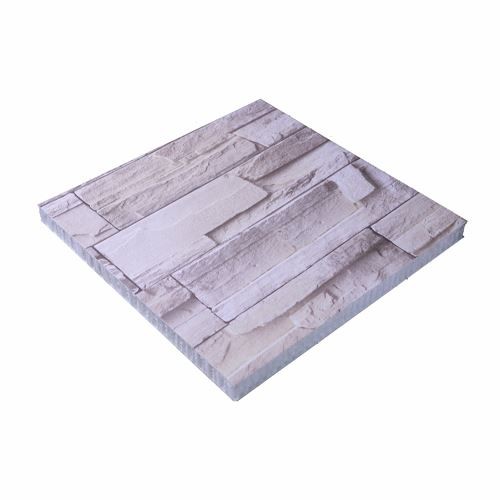
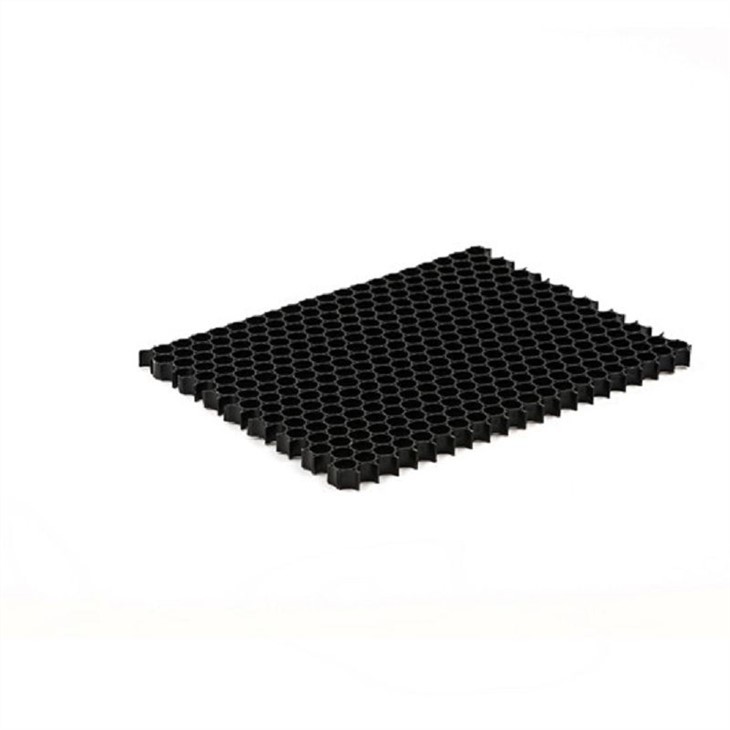
Before we dive into the cleaning process, it's important to understand what these non slip honeycomb panels are made of. Most of the time, they're constructed with a Honeycomb - building - panels structure that provides strength and stability. The outer layer is designed to be non - slip, and it could be made of different materials like PVC, polypropylene, or other thermoplastics. For instance, a Thermoplastic Honeycomb Core is quite common. Different materials might require slightly different cleaning approaches, so keep that in mind.
Pre - Cleaning Steps
Alright, let's get started with the pre - cleaning steps. First, you'll want to remove any loose dirt or debris from the panel surface. You can do this by using a soft - bristled broom or a vacuum cleaner with a brush attachment. This will prevent scratching the panel during the actual cleaning process.
If there are any large objects or sticky substances on the panel, try to gently scrape them off with a plastic scraper. Make sure the scraper is not too sharp to avoid damaging the non - slip surface.
Choosing the Right Cleaning Solution
Now, let's talk about cleaning solutions. You don't want to use just any old cleaner on these panels. Harsh chemicals can damage the non - slip coating and the honeycomb structure. For general cleaning, a mild dish soap mixed with warm water is a great option. It's gentle enough not to harm the panel but still effective at removing dirt and grease.
If you're dealing with tougher stains, like oil or mildew, you can make a solution of equal parts white vinegar and water. Vinegar is a natural disinfectant and can break down stubborn stains without causing damage. Just be sure to test the solution on a small, inconspicuous area of the panel first to make sure it doesn't cause any discoloration or damage.
The Cleaning Process
Once you've chosen your cleaning solution, it's time to start cleaning. Dip a soft sponge or a microfiber cloth into the solution and wring it out well. You don't want it to be dripping wet, as too much water can seep into the honeycomb structure and cause problems.
Gently scrub the panel in a circular motion, paying extra attention to areas with stains or heavy dirt buildup. For the honeycomb part, you can use a small brush with soft bristles to get into the crevices. This will help remove any dirt that has accumulated inside the honeycomb cells.
After scrubbing, rinse the panel thoroughly with clean water. You can use a spray bottle filled with water or a hose if the panel is large enough. Make sure to remove all the cleaning solution residue, as leaving it behind can make the panel sticky or attract more dirt.
Drying the Panels
Proper drying is just as important as cleaning. Use a clean, dry microfiber cloth to wipe off as much water as possible. Then, let the panel air dry completely. Avoid using a fan or heater to speed up the drying process, as this can cause the panel to warp or the non - slip coating to peel.
Maintenance Tips
To keep your non slip honeycomb panels looking great and functioning well, here are some maintenance tips. Try to clean the panels regularly, at least once a week in high - traffic areas. This will prevent dirt from building up and make the cleaning process easier.
Place doormats at entrances to catch dirt and debris before it reaches the panels. And if there are spills, clean them up immediately to prevent staining.
Special Considerations for Different Environments
If your non slip honeycomb panels are installed in a kitchen, you'll need to be extra vigilant about grease and food stains. You might want to clean them more frequently and use a degreaser for stubborn grease spots.
In a bathroom, mildew can be a problem. Make sure to keep the area well - ventilated and use a mildew - resistant cleaning solution.
For industrial settings, the panels might be exposed to more heavy - duty dirt and chemicals. In this case, you may need to use a more specialized cleaning product, but always test it first.
When to Replace the Panels
Even with proper cleaning and maintenance, non slip honeycomb panels will eventually wear out. Signs that it's time to replace the panels include significant damage to the non - slip surface, such as deep scratches or peeling, or if the honeycomb structure is severely damaged.
Conclusion
Well, there you have it! A comprehensive guide on how to clean non slip honeycomb panels. By following these steps, you can keep your panels looking great, functioning well, and most importantly, safe. If you're in the market for high - quality non slip honeycomb panels or have any questions about cleaning or maintenance, don't hesitate to reach out. I'm here to help you make the best choice for your needs. Whether it's for a small home project or a large - scale industrial application, we've got the right panels for you. So, let's start a conversation and see how we can work together!
References
- General knowledge on non - slip honeycomb panel materials and cleaning
- Experience from supplying non - slip honeycomb panels over the years