

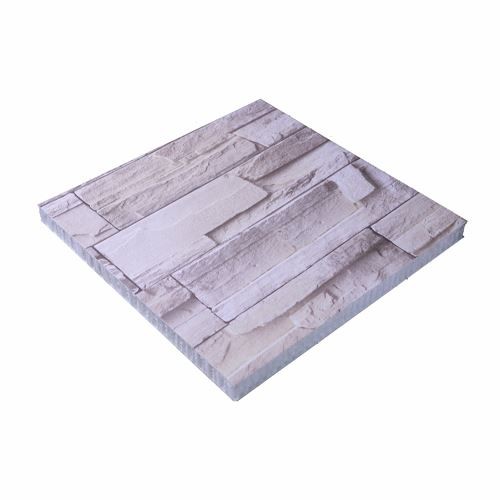
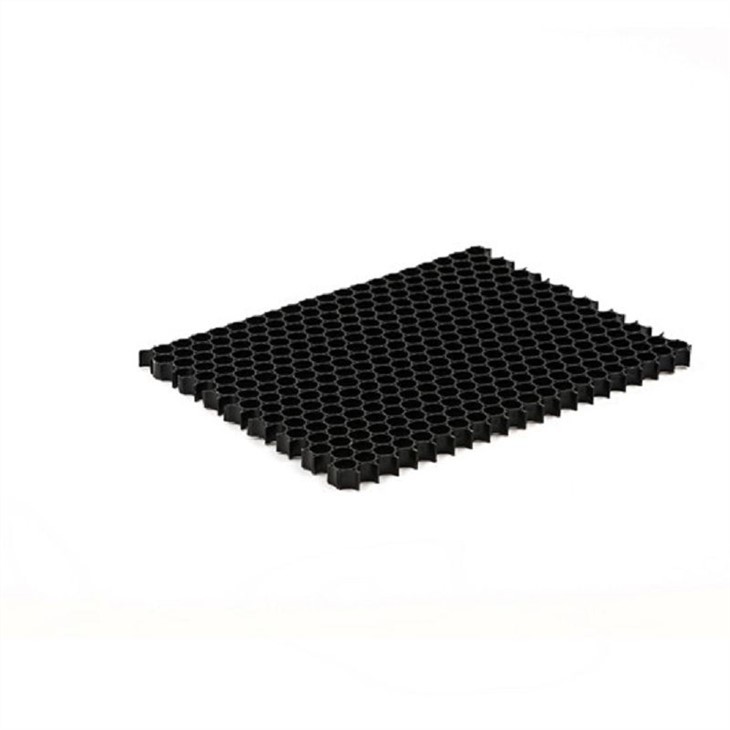
Hey there! As a supplier of PET honeycomb panels, I often get asked about the best ways to store these versatile products. So, I thought I'd share some insights on how to store PET honeycomb panels properly to maintain their quality and performance.
Why Proper Storage Matters
First off, let's talk about why proper storage is so important. PET honeycomb panels are known for their lightweight, high strength, and excellent insulation properties. However, if they're not stored correctly, these panels can be damaged, which can affect their functionality and appearance. For example, exposure to extreme temperatures, humidity, or physical stress can cause the panels to warp, crack, or lose their structural integrity.
Ideal Storage Conditions
Temperature
PET honeycomb panels should be stored in a temperature - controlled environment. The ideal temperature range is between 10°C and 30°C (50°F and 86°F). Extreme cold can make the panels brittle, increasing the risk of cracking when handled. On the other hand, high temperatures can cause the panels to soften or deform. If you're storing the panels in a warehouse, make sure it has proper heating and cooling systems to maintain this temperature range.
Humidity
Humidity is another crucial factor. The relative humidity in the storage area should be kept between 30% and 60%. High humidity can lead to moisture absorption by the panels, which may cause swelling, delamination, or the growth of mold and mildew. You can use dehumidifiers or humidifiers to control the humidity level as needed.
Light Exposure
PET honeycomb panels should be protected from direct sunlight and prolonged exposure to artificial light. Ultraviolet (UV) rays can cause the panels to fade, discolor, and degrade over time. Store the panels in a shaded area or cover them with opaque materials to block out the light.
Storage Layout and Handling
Stacking
When stacking PET honeycomb panels, it's important to do it carefully. Stack the panels on a flat, stable surface to prevent them from warping. Place a protective layer, such as a cardboard sheet or a soft foam pad, between each layer of panels to avoid scratching or damaging the surface. Make sure the stacks are not too high to prevent the panels at the bottom from being crushed under the weight. A good rule of thumb is to limit the stack height to about 1 - 1.5 meters (3 - 5 feet), depending on the panel's thickness and strength.
Orientation
Store the panels in a vertical or horizontal position, depending on their size and the available storage space. If storing vertically, use a panel rack or a storage frame to keep the panels upright and prevent them from leaning or falling over. When storing horizontally, ensure that the panels are fully supported across their entire length and width to avoid sagging.
Handling
During storage, be careful when handling the panels. Avoid dragging or sliding the panels, as this can cause scratches or damage to the edges. Use proper lifting equipment, such as forklifts or pallet jacks, when moving large stacks of panels. Make sure the lifting equipment is in good working condition and that the operators are trained to handle the panels safely.
Protection from Contaminants
Dust and Debris
Keep the storage area clean to prevent dust and debris from accumulating on the panels. Regularly sweep or vacuum the floor and use air filters to reduce the amount of airborne particles. You can also cover the panels with dust - covers to provide an extra layer of protection.
Chemicals
Avoid storing PET honeycomb panels near chemicals, solvents, or other substances that can react with the panels. These chemicals can cause discoloration, corrosion, or damage to the panel's surface. If you need to store chemicals in the same area, make sure they are properly sealed and separated from the panels.
Long - Term Storage Considerations
If you're planning to store the PET honeycomb panels for an extended period, there are a few additional things to keep in mind.
Inspections
Regularly inspect the panels during storage. Check for any signs of damage, such as cracks, warping, or discoloration. If you notice any issues, take appropriate action immediately, such as separating the damaged panels from the rest or repairing them if possible.
Re - evaluation of Storage Conditions
Periodically re - evaluate the storage conditions to ensure they are still within the ideal range. Changes in the external environment, such as seasonal weather variations, can affect the temperature and humidity inside the storage area. Make adjustments as needed to maintain the proper storage conditions.
Conclusion
In conclusion, proper storage of PET honeycomb panels is essential to ensure their quality and performance. By following these guidelines on temperature, humidity, light exposure, stacking, handling, and protection from contaminants, you can keep your panels in top condition. Whether you're a contractor, a builder, or a DIY enthusiast, these storage tips will help you get the most out of your PET honeycomb panels.
If you're interested in purchasing PET honeycomb panels or have any questions about our products, feel free to reach out to us. We're always happy to assist you with your needs. And if you want to learn more about our other related products, you can check out our Honeycomb - building - panels and Thermoplastic Honeycomb Core pages.
References
- ASTM International standards on plastic panel storage.
- Industry best practices for composite material storage.