

In today's industrial landscape, honeycomb composite boards have emerged as a revolutionary material, offering a unique combination of strength, durability, and lightweight properties. As a leading supplier of honeycomb composite boards, I have witnessed firsthand the diverse range of industries that benefit from this remarkable material. In this blog post, I will explore the common applications of honeycomb composite boards across various sectors, highlighting their advantages and the transformative impact they have on modern products and structures.
Aerospace Industry
The aerospace industry demands materials that are not only lightweight but also possess exceptional strength and stiffness. Honeycomb composite boards meet these requirements perfectly, making them a popular choice for aircraft interiors, wing structures, and cargo floors. The hexagonal honeycomb core provides high strength-to-weight ratio, reducing the overall weight of the aircraft and improving fuel efficiency. Additionally, the composite panels offer excellent sound and vibration damping properties, enhancing passenger comfort and reducing noise levels inside the cabin.
One of the key advantages of honeycomb composite boards in the aerospace industry is their resistance to corrosion and fatigue. The materials used in the construction of these panels are designed to withstand the harsh environmental conditions encountered during flight, ensuring long-term reliability and safety. As a result, honeycomb composite boards have become an essential component in modern aircraft design, contributing to the overall performance and efficiency of the aviation sector.
Marine Industry
In the marine industry, honeycomb composite boards are used extensively for boat building, ship interiors, and offshore structures. The lightweight nature of these panels makes them ideal for reducing the weight of vessels, improving fuel efficiency, and increasing speed. The high strength and stiffness of honeycomb composite boards also provide excellent structural integrity, ensuring the safety and durability of marine applications.
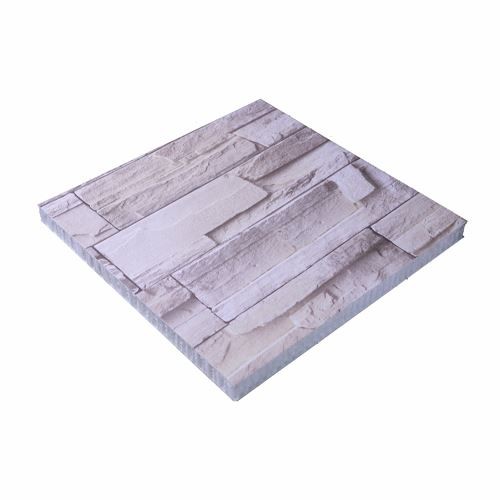
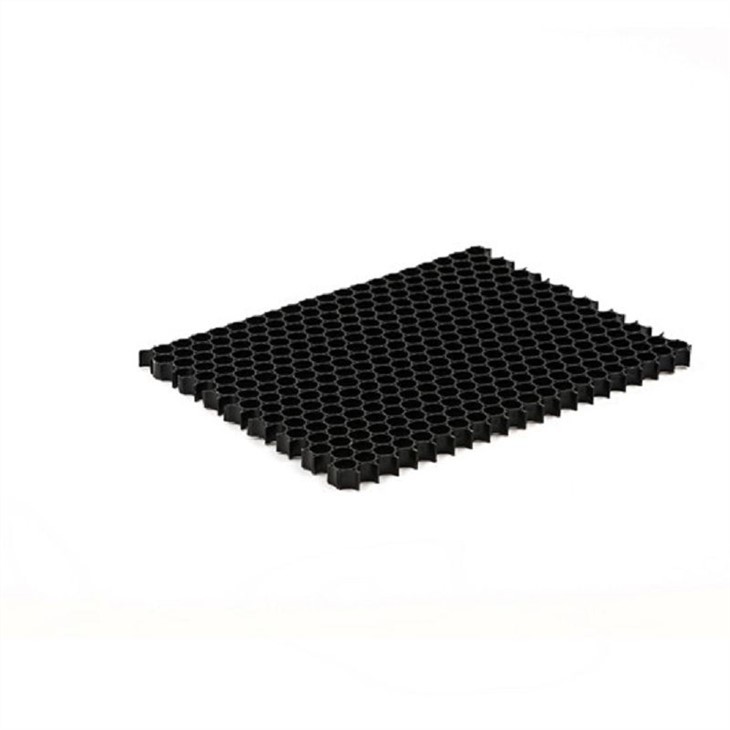
The corrosion-resistant properties of honeycomb composite boards are particularly valuable in the marine environment, where exposure to saltwater and harsh weather conditions can cause significant damage to traditional materials. These panels are also resistant to rot, mold, and mildew, making them a low-maintenance option for marine applications. Additionally, the insulation properties of honeycomb composite boards help to regulate the temperature inside the vessel, improving comfort for passengers and crew.
Transportation Industry
In the transportation industry, honeycomb composite boards are used in a wide range of applications, including automotive interiors, trailers, and railway carriages. The lightweight nature of these panels reduces the weight of vehicles, improving fuel efficiency and reducing emissions. The high strength and stiffness of honeycomb composite boards also provide excellent impact resistance, ensuring the safety of passengers and cargo.
In automotive applications, honeycomb composite boards are used for dashboard panels, door interiors, and seat backs. These panels offer a sleek and modern appearance, while also reducing noise and vibration inside the vehicle. In trailer and railway carriage construction, honeycomb composite boards are used for flooring, walls, and ceilings, providing a lightweight and durable alternative to traditional materials.
Building and Construction Industry
In the building and construction industry, honeycomb composite boards are used for a variety of applications, including wall panels, roofing, and partitioning. The lightweight nature of these panels makes them easy to install, reducing labor costs and construction time. The high strength and stiffness of honeycomb composite boards also provide excellent structural integrity, ensuring the safety and stability of buildings.
One of the key advantages of honeycomb composite boards in the building and construction industry is their thermal insulation properties. These panels help to regulate the temperature inside buildings, reducing energy consumption and improving comfort for occupants. The fire-resistant properties of honeycomb composite boards are also valuable in the construction of buildings, providing an additional layer of safety and protection.
The website Honeycomb-building-panels provides more detailed information about the specific products suitable for the building and construction industry.
Furniture Industry
In the furniture industry, honeycomb composite boards are used for a variety of applications, including cabinetry, tabletops, and chair frames. The lightweight nature of these panels makes them easy to handle and assemble, reducing manufacturing costs. The high strength and stiffness of honeycomb composite boards also provide excellent durability, ensuring the longevity of furniture products.
The smooth and flat surface of honeycomb composite boards makes them ideal for veneering and laminating, allowing for a wide range of finishes and styles. These panels are also resistant to moisture and warping, making them a suitable option for furniture that will be exposed to humid environments.
Packaging Industry
In the packaging industry, honeycomb composite boards are used for shipping and storage applications. The lightweight nature of these panels reduces the weight of packages, reducing shipping costs. The high strength and stiffness of honeycomb composite boards also provide excellent protection for fragile items, ensuring that they arrive at their destination undamaged.
The cushioning properties of honeycomb composite boards are particularly valuable in the packaging of electronic devices, glassware, and other delicate items. These panels help to absorb shocks and vibrations during transportation, reducing the risk of damage. The recyclable nature of honeycomb composite boards also makes them an environmentally friendly option for packaging applications.
Renewable Energy Industry
In the renewable energy industry, honeycomb composite boards are used in the construction of wind turbine blades and solar panel supports. The lightweight nature of these panels reduces the weight of the structures, improving the efficiency of renewable energy systems. The high strength and stiffness of honeycomb composite boards also provide excellent structural integrity, ensuring the durability and reliability of these applications.
The website Thermoplastic Honeycomb Core offers insights into the specific types of honeycomb cores used in the renewable energy sector.
Conclusion
As a supplier of honeycomb composite boards, I am constantly amazed by the versatility and performance of this remarkable material. From aerospace and marine to building and construction, honeycomb composite boards have found their way into a wide range of industries, offering numerous benefits and solving complex challenges.
If you are involved in any of these industries and are looking for a lightweight, strong, and durable material solution, I encourage you to consider honeycomb composite boards. Our team of experts is ready to work with you to understand your specific requirements and provide customized solutions that meet your needs. Contact us today to start a conversation about how honeycomb composite boards can enhance your products and projects.
References
- Callister, W. D., & Rethwisch, D. G. (2014). Materials Science and Engineering: An Introduction. Wiley.
- McCarthy, J. (2018). Composites in Aerospace and Aviation. Elsevier.
- Gibson, L. J., & Ashby, M. F. (1997). Cellular Solids: Structure and Properties. Cambridge University Press.