

As a supplier of PP honeycomb panels, I often get asked about the potential applications of these versatile products. One area that has been gaining increasing attention is the agricultural industry. In this blog post, I'll explore whether PP honeycomb panels can be effectively used in agriculture, highlighting their benefits, potential applications, and considerations.
Understanding PP Honeycomb Panels
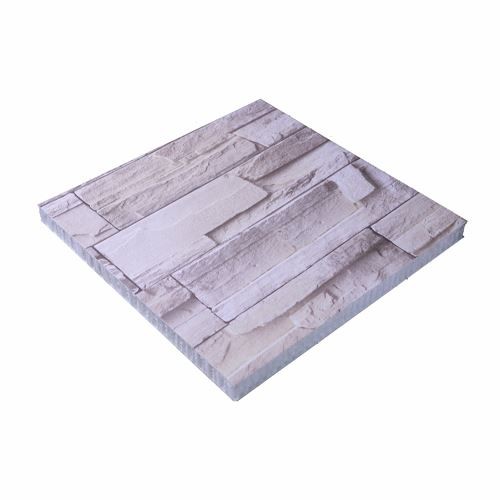
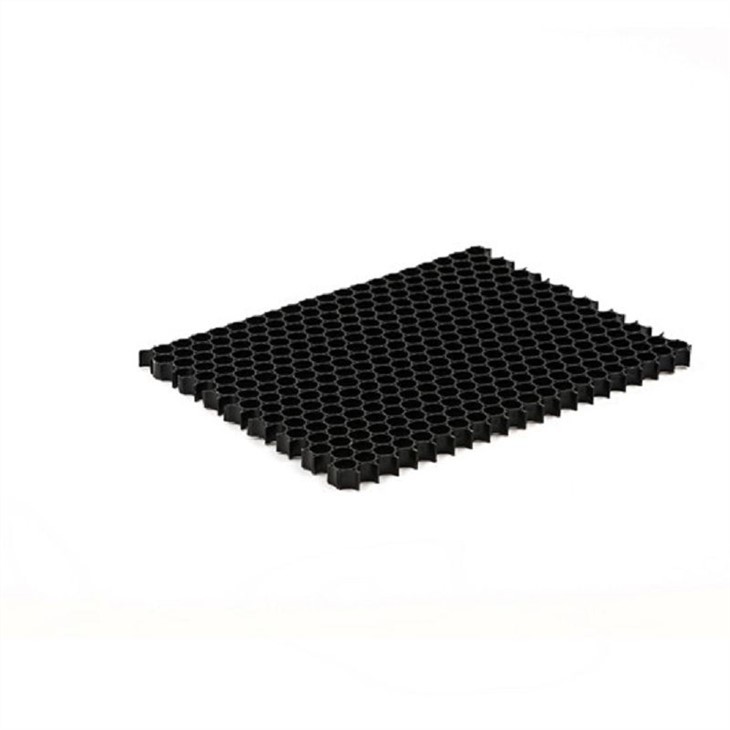
PP honeycomb panels are made from polypropylene, a thermoplastic polymer known for its durability, chemical resistance, and lightweight nature. The honeycomb structure, consisting of hexagonal cells, provides excellent strength-to-weight ratio, making these panels rigid yet lightweight. These properties make them suitable for a wide range of applications, from packaging to construction. You can learn more about Honeycomb-building-panels and Thermoplastic Honeycomb Core on our website.
Benefits of PP Honeycomb Panels in Agriculture
1. Durability and Longevity
Agricultural environments can be harsh, with exposure to weather, chemicals, and physical impacts. PP honeycomb panels are highly resistant to corrosion, moisture, and UV radiation, ensuring they can withstand the rigors of outdoor use. Unlike traditional materials such as wood or metal, which may rot, rust, or degrade over time, PP honeycomb panels maintain their structural integrity, providing a long-lasting solution for agricultural applications.
2. Lightweight and Easy to Handle
The lightweight nature of PP honeycomb panels makes them easy to transport, install, and maneuver. This is particularly advantageous in agricultural settings, where large quantities of materials may need to be moved around the farm. Whether it's constructing a greenhouse, creating animal shelters, or building storage units, the ease of handling PP honeycomb panels can significantly reduce labor costs and installation time.
3. Chemical Resistance
Agricultural operations often involve the use of fertilizers, pesticides, and other chemicals. PP honeycomb panels are resistant to a wide range of chemicals, making them suitable for applications where contact with these substances is likely. This resistance helps prevent damage to the panels and ensures they can maintain their performance over time, even in chemically aggressive environments.
4. Insulation Properties
PP honeycomb panels have good insulation properties, which can be beneficial in agricultural applications. In greenhouses, for example, the panels can help regulate temperature and humidity, creating a more stable environment for plant growth. By reducing heat loss in the winter and heat gain in the summer, the panels can also help lower energy costs associated with heating and cooling.
5. Customizability
PP honeycomb panels can be easily cut, shaped, and fabricated to meet specific agricultural needs. Whether you need panels of a particular size, shape, or thickness, or you require custom features such as holes, slots, or attachments, our manufacturing process allows for a high degree of customization. This flexibility makes it possible to create tailored solutions for a variety of agricultural applications.
Potential Applications of PP Honeycomb Panels in Agriculture
1. Greenhouses
Greenhouses are an essential part of modern agriculture, providing a controlled environment for plant growth. PP honeycomb panels can be used to construct the walls and roofs of greenhouses, offering several advantages over traditional materials. The panels' insulation properties help maintain a stable temperature inside the greenhouse, reducing the need for additional heating or cooling systems. Their lightweight nature also makes them easier to install and support, while their durability ensures a long lifespan. Additionally, the panels can be made translucent or opaque, allowing for the control of light transmission, which is crucial for plant growth.
2. Animal Shelters
PP honeycomb panels can be used to build animal shelters, providing a comfortable and safe environment for livestock and poultry. The panels' insulation properties help keep the shelters warm in the winter and cool in the summer, reducing stress on the animals and improving their overall health and productivity. The lightweight nature of the panels makes them easy to install and modify, allowing for the creation of custom shelters to meet the specific needs of different animal species. Additionally, the panels' chemical resistance makes them easy to clean and disinfect, helping to maintain a hygienic environment for the animals.
3. Storage Units
Agricultural operations often require storage space for equipment, tools, feed, and other supplies. PP honeycomb panels can be used to construct storage units, offering a durable and cost-effective solution. The panels' strength and rigidity make them suitable for supporting heavy loads, while their moisture resistance helps protect stored items from damage. The ease of handling and installation of the panels also makes it possible to quickly and easily build storage units of various sizes and configurations.
4. Irrigation Systems
PP honeycomb panels can be used in irrigation systems, providing a lightweight and durable alternative to traditional materials such as PVC or metal. The panels can be used to create channels, troughs, and other components of the irrigation system, helping to distribute water efficiently across the fields. Their chemical resistance ensures they can withstand the effects of water and fertilizers, while their smooth surface reduces friction, allowing for better water flow.
5. Fencing and Enclosures
PP honeycomb panels can be used to create fencing and enclosures for livestock, poultry, or other animals. The panels' strength and durability make them suitable for containing animals, while their lightweight nature makes them easy to install and maintain. The panels can be customized with different colors and patterns, allowing for the creation of aesthetically pleasing enclosures that blend in with the surrounding environment.
Considerations When Using PP Honeycomb Panels in Agriculture
1. Cost
While PP honeycomb panels offer many benefits, they may be more expensive than some traditional materials such as wood or metal. However, when considering the long-term cost savings associated with their durability, low maintenance requirements, and energy efficiency, the overall cost of using PP honeycomb panels in agricultural applications may be comparable or even lower than that of traditional materials.
2. Fire Resistance
PP honeycomb panels are flammable, which may be a concern in some agricultural settings. However, fire-resistant grades of PP honeycomb panels are available, which can be used in applications where fire safety is a priority. It's important to choose the appropriate grade of panel based on the specific requirements of the application and to ensure compliance with relevant fire safety regulations.
3. Environmental Impact
As a thermoplastic material, PP honeycomb panels are not biodegradable. However, they can be recycled at the end of their useful life, reducing their environmental impact. When choosing a supplier, it's important to consider their commitment to sustainability and their ability to provide recycled or recyclable products.
Conclusion
In conclusion, PP honeycomb panels offer a range of benefits that make them a viable option for use in the agricultural industry. Their durability, lightweight nature, chemical resistance, insulation properties, and customizability make them suitable for a variety of applications, from greenhouses and animal shelters to storage units and irrigation systems. While there are some considerations to keep in mind, such as cost, fire resistance, and environmental impact, the overall advantages of using PP honeycomb panels in agriculture make them a compelling choice for farmers and agricultural businesses.
If you're interested in exploring the potential of PP honeycomb panels for your agricultural needs, I encourage you to contact us to discuss your specific requirements. Our team of experts can provide you with more information about our products, offer customized solutions, and assist you in making an informed decision. We look forward to the opportunity to work with you and help you enhance your agricultural operations with our high-quality PP honeycomb panels.
References
- "Polypropylene: Properties, Processing, and Applications." Edited by H. Mark, N. M. Bikales, C. G. Overberger, and G. Menges. Wiley-Interscience, 1996.
- "Agricultural Engineering Handbook." Edited by M. F. Showers. American Society of Agricultural and Biological Engineers, 2007.
- "Greenhouse Technology and Management." By B. J. Bugbee and T. J. Gillespie. Academic Press, 2019.