

Hey there! As a supplier of Non Slip Honeycomb Panels, I often get asked about how these panels perform in windy conditions when used outdoors. Well, let's dive right into it and explore this topic in detail.
Understanding Non Slip Honeycomb Panels
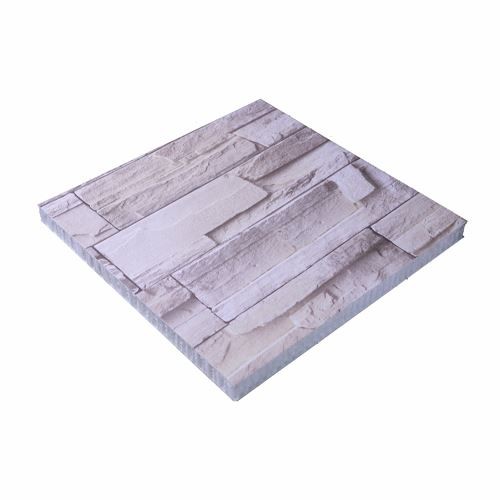
First off, let's talk a bit about what non slip honeycomb panels are. These panels are made up of a honeycomb structure, which provides a unique combination of strength and lightness. The non - slip surface is a crucial feature, especially for outdoor applications where safety is a top priority. Whether it's a deck, a walkway, or a rooftop area, you don't want people slipping and getting injured.
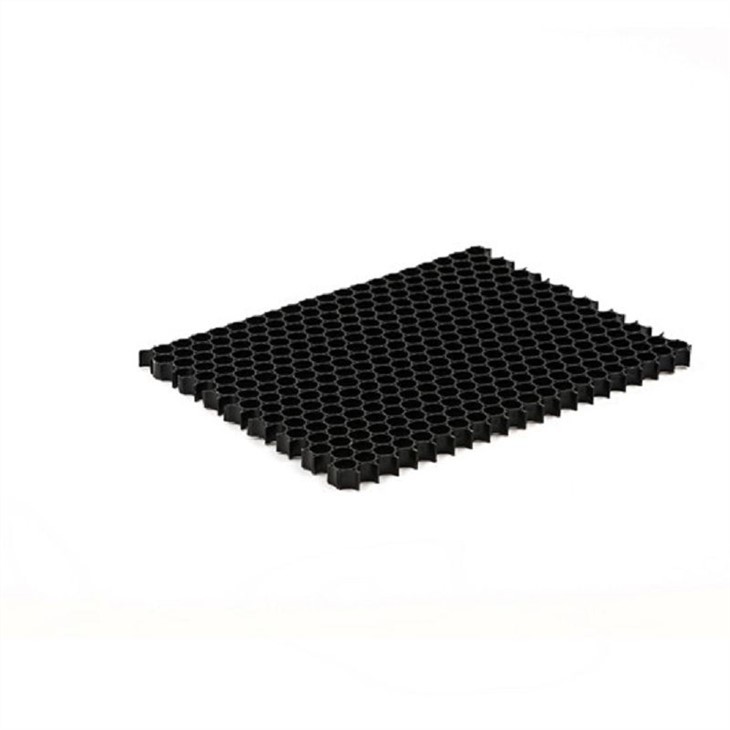
The honeycomb design is not just for show. It distributes weight evenly across the panel, making it more stable. And when it comes to materials, many of these panels are made with high - quality polymers. For example, the Thermoplastic Honeycomb Core is a popular choice. It offers excellent resistance to environmental factors like moisture and UV rays, which is essential for outdoor use.
Wind and Its Impact on Outdoor Structures
Wind can be a real challenge for outdoor structures. Depending on the location, wind speeds can vary greatly. In coastal areas, for instance, you might experience strong gusts due to sea breezes. In mountainous regions, wind can be funneled through valleys, creating high - velocity winds.
When wind hits an outdoor structure, it exerts a force on it. This force can cause the structure to vibrate, sway, or even topple over if it's not properly designed to withstand it. For non slip honeycomb panels, the key is to understand how the wind interacts with the panel's shape, size, and installation method.
Performance of Non Slip Honeycomb Panels in Windy Conditions
Aerodynamics
The honeycomb structure of these panels actually has some aerodynamic advantages. The hexagonal cells in the honeycomb can disrupt the flow of wind, reducing the overall force exerted on the panel. This is similar to how the shape of an airplane wing is designed to control air flow. When wind passes over the honeycomb panel, the cells break up the wind into smaller streams, which can reduce the pressure on the panel's surface.
Strength and Stability
One of the main benefits of non slip honeycomb panels is their strength - to - weight ratio. Despite being relatively lightweight, these panels are quite strong. The honeycomb structure provides internal support, which helps the panel maintain its shape even under the force of the wind.
For example, if you're using Honeycomb - building - panels for a large outdoor deck, the panels can withstand the wind forces without warping or bending. The non - slip surface also adds to the stability. It provides better traction for people walking on the panel, which is important in windy conditions where a gust of wind could potentially make someone lose their balance.
Installation
Proper installation is crucial for the performance of non slip honeycomb panels in windy conditions. The panels should be securely fastened to the underlying structure. This can be done using screws, bolts, or adhesives, depending on the type of panel and the surface it's being installed on.
If the panels are not installed correctly, the wind can get under the edges and lift them up. This can not only damage the panels but also pose a safety hazard. So, make sure to follow the manufacturer's installation instructions carefully.
Case Studies
Let's take a look at a couple of real - world examples to see how non slip honeycomb panels perform in windy conditions.
In a coastal resort, non slip honeycomb panels were used to build a large outdoor deck. The area is known for its strong sea breezes, especially during the summer months. After several years of use, the panels have held up well. The aerodynamic design of the honeycomb structure has helped reduce the impact of the wind, and the non - slip surface has ensured the safety of the guests walking on the deck.
Another example is a rooftop garden in a city with a lot of high - rise buildings. The wind can be quite strong at rooftop level, but the non slip honeycomb panels used for the walkways have remained stable. The panels were installed using a secure mounting system, which has prevented them from being displaced by the wind.
Factors Affecting Performance
There are several factors that can affect how non slip honeycomb panels perform in windy conditions.
Panel Size
Larger panels are generally more susceptible to wind forces than smaller ones. This is because a larger surface area means more wind pressure. If you're installing non slip honeycomb panels in a windy area, it might be a good idea to use smaller panels or to break up large panels into smaller sections.
Orientation
The orientation of the panels can also make a difference. If the panels are installed parallel to the direction of the prevailing wind, the wind will have a more direct impact on them. Installing the panels at an angle to the wind can help reduce the force exerted on them.
Maintenance
Regular maintenance is important to ensure the long - term performance of non slip honeycomb panels in windy conditions. Over time, the panels can be damaged by the elements, such as UV rays, moisture, and debris. Inspecting the panels regularly for signs of damage, such as cracks or loose fasteners, and making any necessary repairs can help keep the panels in good condition.
Conclusion
So, to sum it up, non slip honeycomb panels can perform quite well in windy conditions if they are properly designed, installed, and maintained. The honeycomb structure provides aerodynamic advantages and strength, while the non - slip surface adds to the safety and stability.
If you're considering using non slip honeycomb panels for your outdoor project, don't hesitate to reach out. We have a wide range of products to suit different needs and budgets. Whether you're building a small patio or a large commercial deck, we can help you find the right solution. Contact us to start a discussion about your project and let's work together to make it a success!
References
- "Aerodynamics of Honeycomb Structures" - Journal of Structural Engineering
- "Wind Loads on Outdoor Structures" - Building Science Review
- "Performance of Non Slip Materials in Windy Conditions" - Safety in Outdoor Environments Research