

Moisture absorption is a critical factor that can significantly influence the performance of various materials, and the PP (polypropylene) honeycomb core is no exception. As a supplier of PP honeycomb core, I have witnessed firsthand how moisture can either enhance or detract from the product's performance in different applications. In this blog post, I will delve into the science behind the moisture absorption of PP honeycomb core and explore its implications for its performance.
Understanding PP Honeycomb Core
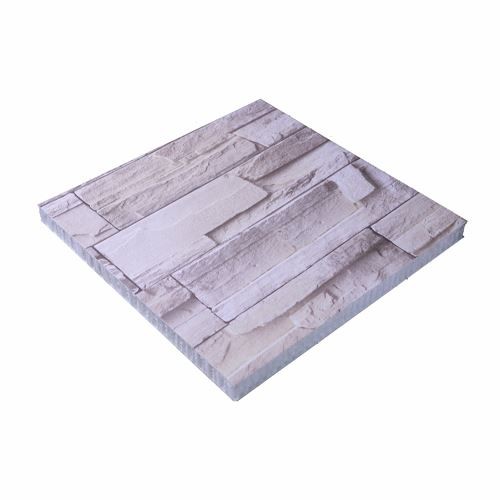
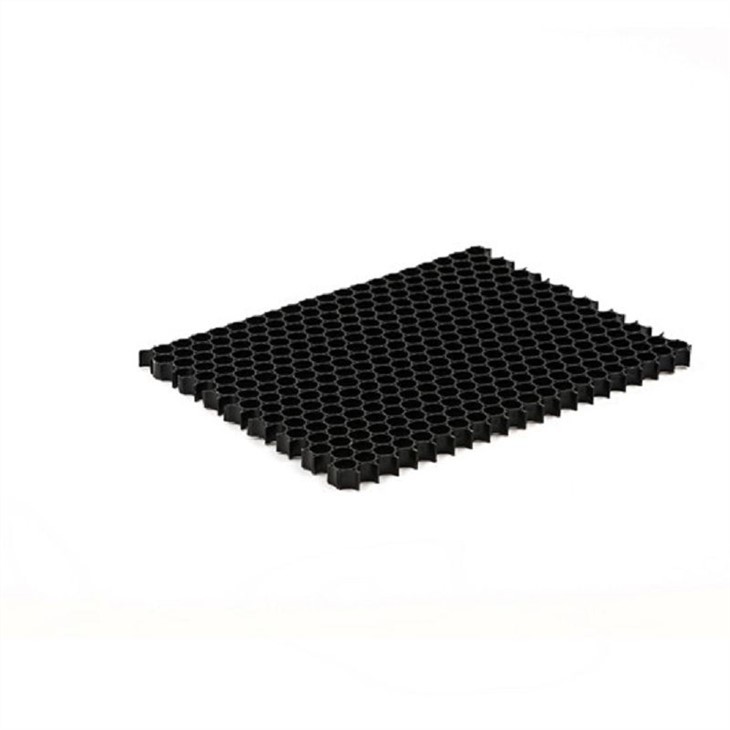
Before we discuss the impact of moisture absorption, let's briefly understand what PP honeycomb core is. PP honeycomb core is a lightweight, high - strength material made from polypropylene. Its unique honeycomb structure provides excellent stiffness - to - weight ratio, making it an ideal choice for a wide range of applications, including Honeycomb - building - panels and Thermoplastic Honeycomb Core. These applications span across industries such as construction, transportation, and packaging.
The Mechanism of Moisture Absorption in PP Honeycomb Core
Polypropylene is a non - polar polymer, which means it has a relatively low affinity for water. However, it is not completely impervious to moisture. The moisture absorption in PP honeycomb core occurs through a process called diffusion. Water molecules can penetrate the surface of the polypropylene and diffuse into the material over time.
The rate of moisture absorption depends on several factors. Firstly, the environmental conditions play a crucial role. High humidity and temperature can accelerate the diffusion process. For example, in a tropical climate with high relative humidity and warm temperatures, the PP honeycomb core will absorb moisture at a faster rate compared to a dry and cold environment.
Secondly, the structure of the honeycomb core can also affect moisture absorption. A more open and porous honeycomb structure may allow water molecules to penetrate more easily. Additionally, any surface defects or damage to the core can provide pathways for moisture to enter the material.
Effects on Physical Properties
Dimensional Stability
One of the most significant impacts of moisture absorption on PP honeycomb core is on its dimensional stability. When the core absorbs moisture, the water molecules can cause the polypropylene to swell. This swelling can lead to changes in the dimensions of the honeycomb core, which can be a major problem in applications where precise dimensions are required. For instance, in the construction industry, even a slight change in the dimensions of building panels made with PP honeycomb core can lead to installation issues.
Mechanical Properties
Moisture absorption can also have a detrimental effect on the mechanical properties of the PP honeycomb core. The presence of water molecules can act as a plasticizer, reducing the stiffness and strength of the polypropylene. As a result, the honeycomb core may become more flexible and less able to withstand mechanical loads. In transportation applications, such as in the manufacturing of aircraft interiors or automotive parts, a decrease in mechanical strength can compromise the safety and performance of the components.
Effects on Chemical Properties
Moisture absorption can also influence the chemical properties of the PP honeycomb core. The presence of water can potentially react with any additives or fillers in the polypropylene. For example, some additives may hydrolyze in the presence of water, leading to a degradation of the material's properties.
Moreover, long - term exposure to moisture can increase the risk of oxidation and degradation of the polypropylene. Oxidation can cause the material to become brittle and lose its mechanical integrity over time. This can significantly reduce the lifespan of the PP honeycomb core in applications.
Effects on Electrical Properties
In applications where the PP honeycomb core is used in electrical components, moisture absorption can have a profound impact on its electrical properties. Water is a good conductor of electricity, and when it is absorbed by the core, it can increase the electrical conductivity of the material. This can lead to issues such as electrical leakage, short - circuits, and interference in electrical systems.
Mitigating the Effects of Moisture Absorption
As a supplier, we are well - aware of the challenges posed by moisture absorption, and we have developed several strategies to mitigate its effects.
Surface Treatments
Applying surface treatments to the PP honeycomb core can create a barrier that prevents water molecules from entering the material. For example, coatings can be applied to the surface of the core to make it more hydrophobic. These coatings can repel water and reduce the rate of moisture absorption.
Storage and Handling
Proper storage and handling are also essential. We recommend storing the PP honeycomb core in a dry and cool environment. Packaging the core in moisture - resistant materials can also help to protect it from moisture during transportation and storage.
Material Selection and Design
Choosing the right grade of polypropylene and optimizing the design of the honeycomb core can also reduce moisture absorption. Some grades of polypropylene have lower moisture absorption rates, and a well - designed honeycomb structure can minimize the surface area exposed to moisture.
Applications and Performance Considerations
Construction Industry
In the construction industry, PP honeycomb core is widely used in building panels due to its lightweight and high - strength properties. However, the moisture absorption issue needs to be carefully considered. In exterior applications, where the panels are exposed to the elements, proper waterproofing measures must be taken. This can include using moisture - resistant coatings and ensuring proper installation to prevent water infiltration.
Transportation Industry
In the transportation industry, the PP honeycomb core is used in various components such as aircraft interiors, automotive parts, and railway carriages. Here, the reduction in mechanical strength due to moisture absorption can be a safety concern. Therefore, strict quality control measures are in place to ensure that the core is protected from moisture during manufacturing, storage, and use.
Packaging Industry
In the packaging industry, the moisture absorption of PP honeycomb core can affect the protection of the packaged goods. If the core absorbs moisture, it may lose its cushioning properties, which can lead to damage to the products during transportation. Therefore, packaging designers need to consider the moisture - resistant properties of the core when selecting materials.
Conclusion
In conclusion, the moisture absorption of PP honeycomb core can have a significant impact on its performance. It can affect the physical, chemical, and electrical properties of the core, which in turn can influence its performance in various applications. As a supplier, we understand the importance of addressing this issue. By implementing proper mitigation strategies such as surface treatments, careful storage, and material selection, we can ensure that our PP honeycomb core meets the high - quality standards required by our customers.
If you are interested in learning more about our PP honeycomb core products or have any questions regarding moisture absorption and its impact on performance, I encourage you to contact us for a detailed discussion. We are committed to providing the best solutions for your specific needs.
References
- ASTM D570 - Standard Test Method for Water Absorption of Plastics.
- "Polymer Science and Engineering" by Donald R. Paul and Charles B. Bucknall.
- Research papers on the moisture absorption of polypropylene materials in various scientific journals.