

As a supplier of Non Woven Honeycomb Panels, I've witnessed firsthand the growing interest in these innovative materials and the comparisons often drawn with metal honeycomb panels. In this blog, I'll delve into a comprehensive analysis of how Non Woven Honeycomb Panels stack up against their metal counterparts, exploring various aspects such as material properties, performance, applications, and cost - effectiveness.
Material Properties
Structure and Composition
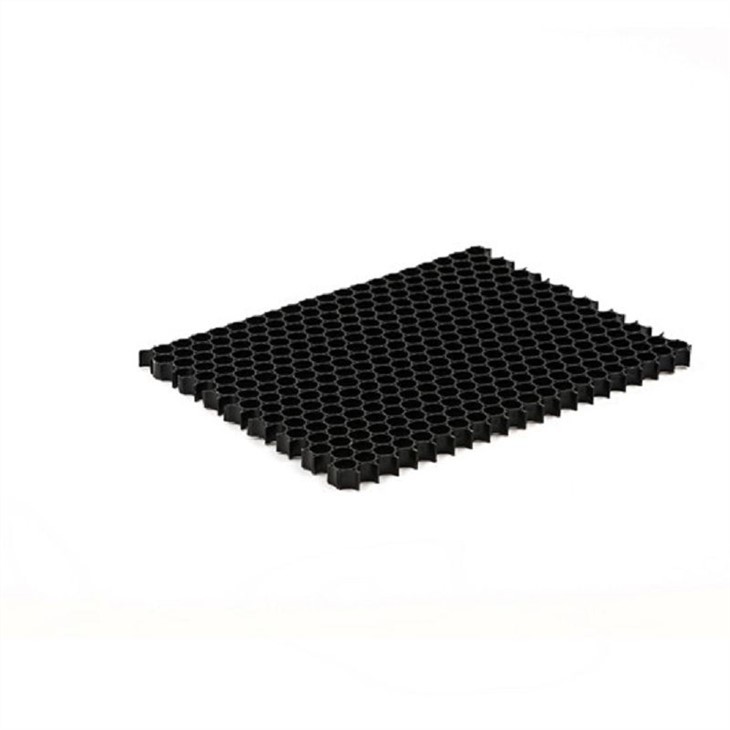
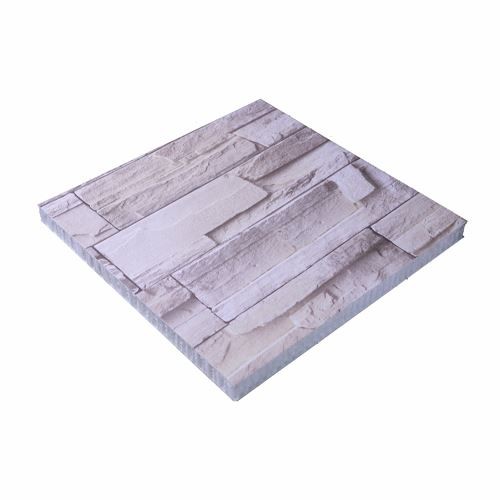
Non Woven Honeycomb Panels are typically made from non - woven fibers that are bonded together to form a honeycomb structure. These fibers can be synthetic or natural, and the bonding process gives the panels unique physical characteristics. On the other hand, metal honeycomb panels are constructed from metals like aluminum, steel, or titanium. The metal is formed into a honeycomb shape, which provides high strength and stiffness due to the inherent properties of the metal.
The non - woven nature of the Non Woven Honeycomb Panels allows for a more flexible structure. The fibers can be arranged in different orientations, giving designers more freedom in customizing the panel's properties. Metal honeycomb panels, however, have a more rigid and uniform structure, which may limit their adaptability in some applications.
Density
Non Woven Honeycomb Panels generally have a lower density compared to metal honeycomb panels. This low density makes them ideal for applications where weight reduction is crucial, such as in the aerospace and automotive industries. For example, in aircraft interiors, using Non Woven Honeycomb Panels can significantly reduce the overall weight of the aircraft, leading to fuel savings and improved performance. Metal honeycomb panels, while also relatively light for their strength, still have a higher density, which may not be suitable for weight - sensitive applications.
Chemical Resistance
Non Woven Honeycomb Panels can be engineered to have excellent chemical resistance. Depending on the type of fibers and bonding agents used, they can withstand exposure to a wide range of chemicals, including acids, alkalis, and solvents. This makes them a great choice for applications in the chemical and pharmaceutical industries. Metal honeycomb panels, especially those made of aluminum, are also corrosion - resistant to some extent. However, they may require additional coatings or treatments to protect against more aggressive chemicals.
Performance
Strength and Stiffness
Metal honeycomb panels are well - known for their high strength - to - weight ratio. The metal structure provides excellent stiffness and can withstand heavy loads. They are commonly used in structural applications where high strength is required, such as in building facades and bridge construction. Non Woven Honeycomb Panels, while not as strong as metal honeycomb panels in terms of pure structural strength, can still offer sufficient strength for many non - structural applications. They are often used in partitions, furniture, and decorative elements where the focus is more on aesthetics and light - weight construction.
Thermal Insulation
Non Woven Honeycomb Panels have superior thermal insulation properties compared to metal honeycomb panels. The non - woven fibers trap air within the honeycomb structure, creating a natural barrier against heat transfer. This makes them an excellent choice for applications where energy efficiency is important, such as in building insulation. Metal honeycomb panels, being made of metal, are good conductors of heat and may require additional insulation materials to achieve similar levels of thermal performance.
Acoustic Insulation
Similar to thermal insulation, Non Woven Honeycomb Panels offer better acoustic insulation than metal honeycomb panels. The porous nature of the non - woven fibers absorbs sound waves, reducing noise transmission. This makes them suitable for use in noise - sensitive environments, such as recording studios, theaters, and office spaces. Metal honeycomb panels, due to their solid metal structure, are less effective at absorbing sound and may need additional acoustic treatments.
Applications
Building and Construction
In the building and construction industry, both Non Woven Honeycomb Panels and metal honeycomb panels have their applications. Metal honeycomb panels are often used for large - scale structural projects, such as high - rise buildings and industrial facilities, due to their high strength. Non Woven Honeycomb Panels, on the other hand, are popular for interior partitions, false ceilings, and wall claddings. They offer a lightweight and cost - effective alternative while also providing good insulation and aesthetic appeal. For more information on building - related honeycomb panels, you can visit Honeycomb - building - panels.
Transportation
In the transportation sector, the choice between Non Woven Honeycomb Panels and metal honeycomb panels depends on the specific requirements of the vehicle. Metal honeycomb panels are used in heavy - duty applications, such as in the chassis and body frames of trucks and trains, where high strength is essential. Non Woven Honeycomb Panels are increasingly being used in automotive interiors, aircraft cabins, and boat interiors due to their low weight and good insulation properties.
Packaging
Non Woven Honeycomb Panels are widely used in the packaging industry. Their light weight and shock - absorbing properties make them ideal for protecting fragile items during transportation. Metal honeycomb panels, while less common in packaging, can be used for high - value or heavy - duty packaging applications where extra protection is needed.
Cost - Effectiveness
Initial Cost
Non Woven Honeycomb Panels generally have a lower initial cost compared to metal honeycomb panels. The materials used in non - woven panels are often less expensive, and the manufacturing process is also more cost - efficient. This makes them an attractive option for budget - conscious projects. Metal honeycomb panels, due to the cost of the metal and the more complex manufacturing processes, can be more expensive upfront.
Long - term Cost
When considering long - term costs, factors such as maintenance, energy efficiency, and durability come into play. Non Woven Honeycomb Panels require less maintenance as they are resistant to corrosion and do not need regular painting or coating. Their excellent thermal and acoustic insulation properties can also lead to long - term energy savings. Metal honeycomb panels may require more maintenance, especially in harsh environments, and may not offer the same level of energy efficiency without additional insulation.
Conclusion
In conclusion, both Non Woven Honeycomb Panels and metal honeycomb panels have their unique advantages and disadvantages. Metal honeycomb panels are better suited for high - strength structural applications, while Non Woven Honeycomb Panels excel in weight - sensitive, insulation - focused, and cost - effective applications. As a supplier of Non Woven Honeycomb Panels, I believe that these panels offer a great alternative to traditional materials, especially in today's market where sustainability, energy efficiency, and cost - effectiveness are key considerations.
If you're interested in exploring the potential of Non Woven Honeycomb Panels for your projects, I encourage you to reach out to discuss your specific requirements. Whether you need a lightweight material for a transportation application or an energy - efficient solution for a building project, our Non Woven Honeycomb Panels can be customized to meet your needs.
References
- "Advanced Composite Materials in Construction" - A textbook on composite materials and their applications in the construction industry.
- "Materials Science and Engineering: An Introduction" - A comprehensive book on materials science, covering the properties and applications of various materials, including honeycomb structures.
- Industry reports on the honeycomb panel market, which provide insights into the latest trends and developments in the use of Non Woven and metal honeycomb panels.