

Hey there! As a supplier of PP Honeycomb Core, I often get asked how it stacks up against the more well - known aluminum honeycomb core. In this blog, I'm gonna break down the differences and similarities between these two types of honeycomb cores, so you can make an informed decision for your project.
Physical Properties
Let's start with the physical properties. Aluminum honeycomb core is super strong and rigid. It's made from a lightweight metal, but don't let that fool you. It can handle a lot of stress and weight, which is why it's commonly used in aerospace and high - end automotive applications. The high strength - to - weight ratio of aluminum makes it ideal for situations where you need something that can bear a load without adding too much extra weight.
On the other hand, PP Honeycomb Core, or polypropylene honeycomb core, is also lightweight. But its strength comes in a different form. PP is a thermoplastic, which means it has some flexibility. It won't crack or break as easily as aluminum in some situations where there's a bit of bending or flexing involved. This flexibility can be a huge advantage in applications where the material might be subject to vibrations or minor impacts.
In terms of density, aluminum honeycomb core is generally denser than PP Honeycomb Core. This can be a drawback if weight is a major concern. For instance, in the construction of portable structures or vehicles, every extra pound counts. The lower density of PP Honeycomb Core makes it a great option for these weight - sensitive projects.
Cost - effectiveness
Cost is always a big factor when choosing a material. Aluminum honeycomb core is usually more expensive. The production process of aluminum involves high - tech manufacturing techniques and the cost of the raw material itself is relatively high. Also, since it's often used in high - end industries, the price is marked up accordingly.
PP Honeycomb Core, however, is more budget - friendly. The raw material, polypropylene, is widely available and relatively inexpensive. The manufacturing process of PP Honeycomb Core is also less complex and energy - intensive compared to that of aluminum honeycomb core. This means you can get a good amount of PP Honeycomb Core for a lower price, which is great for projects with a tight budget. If you're working on a DIY project or a small - scale commercial venture, the cost savings from using PP Honeycomb Core can be significant.
Chemical Resistance
When it comes to chemical resistance, PP Honeycomb Core really shines. Polypropylene is highly resistant to many chemicals, including acids, alkalis, and organic solvents. This makes it suitable for use in environments where the material might come into contact with corrosive substances. For example, in chemical storage facilities or laboratories, PP Honeycomb Core can be used to build partitions or support structures without the worry of chemical damage.
Aluminum honeycomb core, while it has some resistance to corrosion, is not as chemically resistant as PP. In the presence of certain chemicals, aluminum can corrode, which can weaken the structure over time. So, if your project involves exposure to harsh chemicals, PP Honeycomb Core is definitely the better choice.
Manufacturing and Processing
Manufacturing aluminum honeycomb core is a complex process. It often involves precision machining and bonding techniques. The aluminum sheets need to be cut, formed into a honeycomb pattern, and then bonded together. This requires specialized equipment and skilled labor, which adds to the cost and production time.
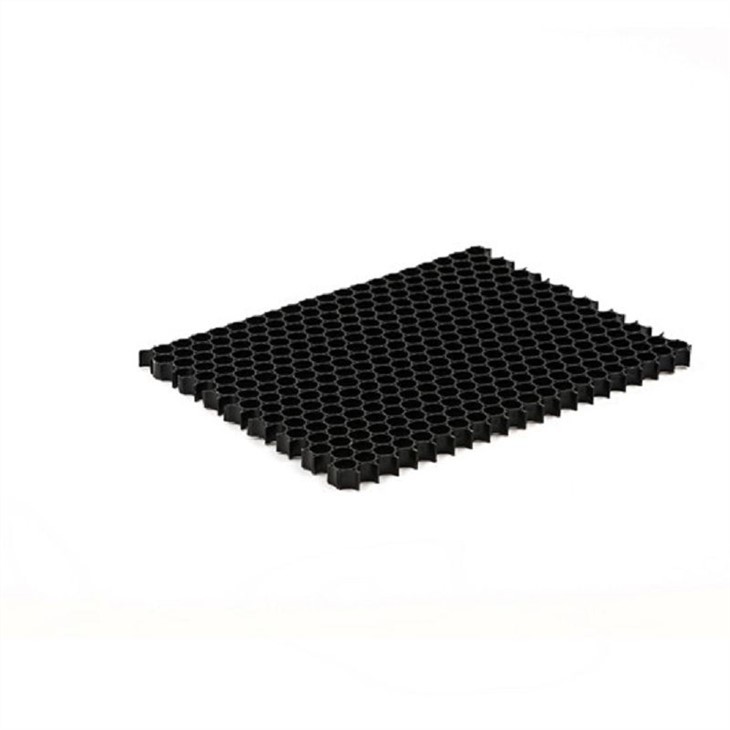
PP Honeycomb Core, on the other hand, is easier to manufacture. The polypropylene can be extruded or thermoformed into the honeycomb shape. This process is more straightforward and can be done with less expensive equipment. Also, PP Honeycomb Core can be easily cut, drilled, and shaped using common tools. This makes it a popular choice for DIYers and small - scale manufacturers who don't have access to high - end machining equipment.
Applications
Aluminum honeycomb core is commonly used in aerospace, automotive, and high - end architectural applications. In the aerospace industry, its high strength and lightweight properties make it perfect for aircraft interiors, wings, and other structural components. In automotive, it can be used for body panels and engine components. In architecture, it's used for curtain walls and high - end facades.
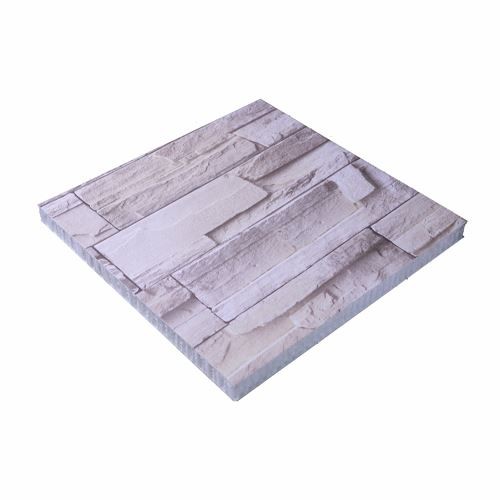
PP Honeycomb Core has a wide range of applications too. It's used in the construction industry for Honeycomb - building - panels. These panels are used for partitions, ceilings, and floors. They are easy to install and provide good insulation. In the packaging industry, PP Honeycomb Core can be used to make protective packaging for fragile items. It can also be used in the marine industry for boat interiors due to its water - resistance and light weight.
Environmental Impact
In today's world, environmental impact is an important consideration. Aluminum is a recyclable material, which is a plus. However, the production of aluminum is energy - intensive and can have a significant carbon footprint. Mining the bauxite ore and refining it into aluminum requires a large amount of energy.
PP Honeycomb Core is also recyclable. Polypropylene can be melted down and reused to make new products. The production of PP Honeycomb Core generally has a lower carbon footprint compared to aluminum honeycomb core. This makes it a more environmentally friendly option, especially for projects that aim to be sustainable.
Conclusion
So, to sum it up, both PP Honeycomb Core and aluminum honeycomb core have their own strengths and weaknesses. If you need a high - strength, rigid material for high - end applications like aerospace or automotive, aluminum honeycomb core might be the way to go. But if you're looking for a cost - effective, flexible, and chemically resistant material that's easy to work with, PP Honeycomb Core is a great choice.
If you're interested in using PP Honeycomb Core for your project, I'd love to talk to you. We offer high - quality Thermoplastic Honeycomb Core at competitive prices. Whether you're a DIY enthusiast or a large - scale manufacturer, we can provide the right solution for you. Just reach out, and we can start discussing your requirements.
References
- "Materials Science and Engineering: An Introduction" by William D. Callister Jr. and David G. Rethwisch
- "Plastics Engineering Handbook of the Society of Plastics Engineers" by Michael L. Berins