

Hey there! I'm a supplier of honeycomb composite boards, and today I want to chat about something that's super important in our industry: the impact of humidity on honeycomb composite boards.
First off, let's quickly understand what honeycomb composite boards are. These boards are pretty amazing. They consist of a honeycomb core, often made from materials like paper, aluminum, or Thermoplastic Honeycomb Core, sandwiched between two outer layers. This structure gives them a high strength - to - weight ratio, making them ideal for a wide range of applications, from construction to aerospace. You can check out Honeycomb-building-panels for more details on their use in building projects.
Now, humidity is the amount of water vapor in the air. It can vary greatly depending on the location, season, and even the time of day. And it has a significant impact on honeycomb composite boards.
One of the most immediate effects of high humidity on honeycomb composite boards is moisture absorption. When the air is humid, the honeycomb core and the outer layers can absorb water. For paper - based honeycomb cores, this is a major concern. Paper is highly hygroscopic, which means it readily absorbs water from the surrounding environment. As the paper core absorbs moisture, it starts to lose its structural integrity. The cells in the honeycomb can become soft and squishy, and the overall strength of the board decreases. This can lead to issues like sagging or warping, especially if the board is used in a load - bearing application.
Aluminum honeycomb cores are less prone to moisture absorption compared to paper cores, but they're not completely immune. High humidity can cause corrosion on the aluminum surface over time. Corrosion weakens the metal, reducing the strength and durability of the honeycomb core. And once the core is compromised, the entire honeycomb composite board's performance is affected.
Thermoplastic honeycomb cores, on the other hand, have better moisture resistance. However, extreme humidity can still have an impact. The plastic can swell slightly when it absorbs moisture, which might change the dimensions of the honeycomb core. This can be a problem if the board needs to fit precisely into a specific space or if it's part of a complex assembly.
The outer layers of the honeycomb composite board are also affected by humidity. If the outer layers are made of wood or a wood - based material, they can absorb moisture and expand. This expansion can cause the board to buckle or delaminate from the honeycomb core. Delamination is a serious issue as it completely destroys the composite nature of the board, rendering it useless for most applications.
In addition to structural changes, humidity can also promote the growth of mold and mildew on honeycomb composite boards. Mold and mildew thrive in damp environments, and once they start growing on the board, they not only look unappealing but also pose health risks. They can release spores into the air, which can cause respiratory problems for people exposed to them.
The impact of humidity on honeycomb composite boards also depends on how long the boards are exposed. Short - term exposure to high humidity might cause minor swelling or a temporary loss of strength, which can often be reversed if the boards are dried properly. But long - term exposure can lead to irreversible damage, such as permanent warping, corrosion, or extensive mold growth.
Now, as a supplier, we're always looking for ways to mitigate the effects of humidity on our honeycomb composite boards. One approach is to use moisture - resistant materials. For example, we can treat the paper cores with water - repellent chemicals to reduce their hygroscopic nature. We can also choose outer layers that have better moisture resistance, like certain types of plastics or treated metals.
Another solution is to provide proper packaging and storage instructions to our customers. When the boards are shipped, they should be packaged in a way that protects them from moisture. This might involve using waterproof wraps or containers. And when customers store the boards, they should keep them in a dry, well - ventilated area. If possible, the storage area should have a controlled humidity level.
We also offer coatings for our honeycomb composite boards. These coatings act as a barrier between the board and the surrounding environment, preventing moisture from seeping in. There are different types of coatings available, each with its own level of protection and application method.
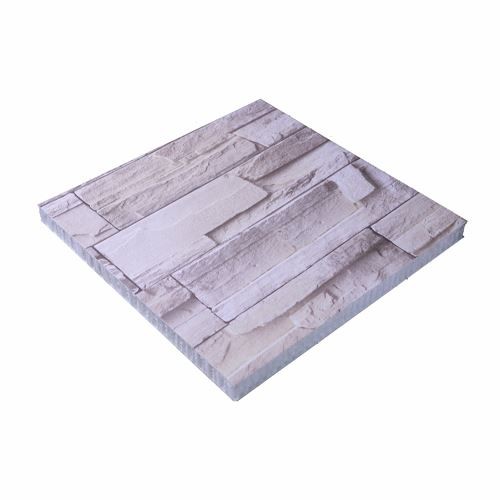
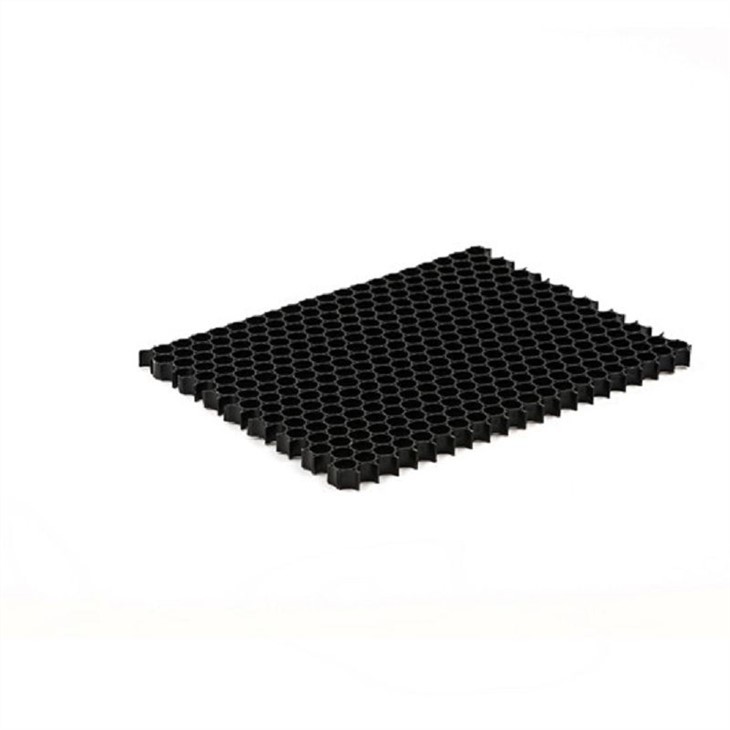
If you're in the market for honeycomb composite boards, it's crucial to consider the humidity conditions in the area where the boards will be used. If you're building a structure in a coastal region with high humidity, you'll need to choose boards that are more moisture - resistant. On the other hand, if the boards will be used in an indoor environment with controlled humidity, you might have more flexibility in your choice.
In conclusion, humidity has a significant impact on honeycomb composite boards. It can cause structural damage, promote mold growth, and reduce the overall lifespan of the boards. But with the right materials, packaging, and storage solutions, we can minimize these effects.
If you're interested in purchasing honeycomb composite boards and want to learn more about how we can help you deal with humidity - related issues, feel free to reach out. We're here to provide you with the best products and advice to meet your specific needs.
References
- ASTM International. "Standard Test Methods for Moisture Absorption Properties and Equilibrium Conditioning of Plastic Materials."
- National Research Council. "Building Science Series: Moisture Control in Buildings."