

How does Non Woven Honeycomb Panel perform under bending stress?
As a supplier of non woven honeycomb panels, I've witnessed firsthand the growing interest in these innovative materials across various industries. Non woven honeycomb panels are known for their unique structure and excellent performance characteristics. One of the key aspects that potential buyers often inquire about is how these panels perform under bending stress. In this blog post, I'll delve into the science behind the behavior of non woven honeycomb panels when subjected to bending forces and discuss the factors that influence their performance.
Understanding the Structure of Non Woven Honeycomb Panels
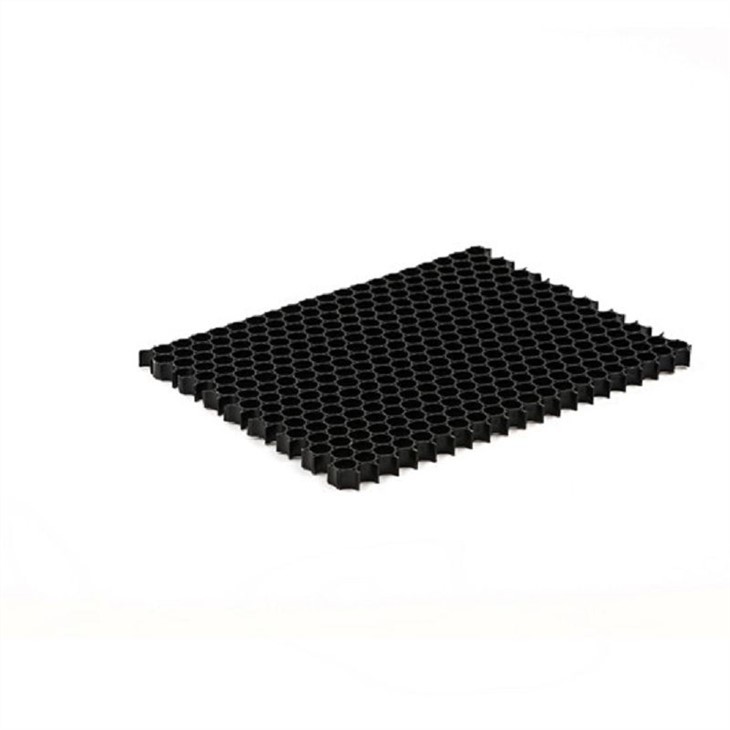
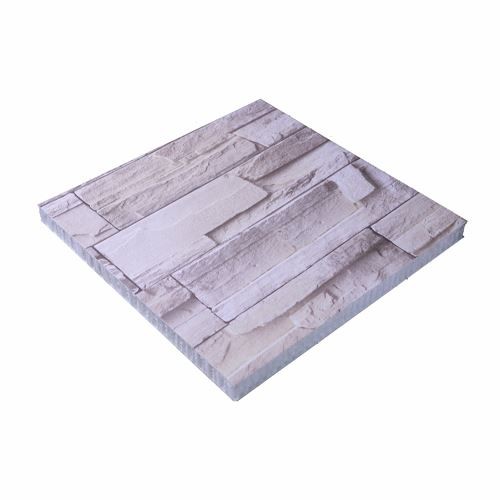
Before we can analyze how non woven honeycomb panels respond to bending stress, it's important to understand their basic structure. Non woven honeycomb panels consist of a honeycomb core sandwiched between two outer layers. The honeycomb core is typically made from a non woven material, which is a fabric-like material formed by bonding or entangling fibers together. This structure gives the panel its characteristic hexagonal cells, which provide a high strength-to-weight ratio.
The outer layers, also known as facings, can be made from a variety of materials such as fiberglass, carbon fiber, or aluminum. These facings provide additional strength and stiffness to the panel and protect the honeycomb core from damage. The combination of the honeycomb core and the facings results in a panel that is lightweight, rigid, and durable.
The Mechanics of Bending Stress
When a non woven honeycomb panel is subjected to bending stress, it experiences a combination of tensile and compressive forces. The outer layer on the convex side of the bend is subjected to tensile stress, which tends to stretch the material. On the other hand, the outer layer on the concave side of the bend is subjected to compressive stress, which tends to compress the material. The honeycomb core plays a crucial role in distributing these forces evenly across the panel and preventing local failure.
The performance of a non woven honeycomb panel under bending stress can be evaluated using several key parameters, including the flexural strength, flexural modulus, and deflection. The flexural strength is the maximum stress that the panel can withstand before it fails in bending. The flexural modulus is a measure of the panel's stiffness and indicates how much it will deflect under a given load. Deflection is the amount of bending or deformation that the panel experiences when subjected to a load.
Factors Affecting the Performance of Non Woven Honeycomb Panels under Bending Stress
Several factors can influence the performance of non woven honeycomb panels under bending stress. These factors include the cell size and shape of the honeycomb core, the material properties of the core and facings, the thickness of the panel, and the loading conditions.
- Cell Size and Shape: The cell size and shape of the honeycomb core can have a significant impact on the panel's performance under bending stress. Generally, smaller cell sizes result in higher stiffness and strength, as they provide more support to the facings. However, smaller cell sizes also increase the weight of the panel. The shape of the cells can also affect the panel's performance, with hexagonal cells being the most common and efficient design.
- Material Properties: The material properties of the honeycomb core and facings play a crucial role in determining the panel's performance under bending stress. The core material should have a high strength-to-weight ratio and good energy absorption properties. The facing material should be strong, stiff, and resistant to damage. The choice of materials depends on the specific application requirements.
- Panel Thickness: The thickness of the panel can also affect its performance under bending stress. Thicker panels generally have higher flexural strength and stiffness, but they are also heavier. The optimal panel thickness depends on the application and the desired balance between strength, stiffness, and weight.
- Loading Conditions: The loading conditions, such as the type of load (point load, distributed load), the direction of the load, and the rate of loading, can also influence the panel's performance under bending stress. For example, a panel subjected to a point load may experience higher stress concentrations than a panel subjected to a distributed load.
Testing and Validation
To ensure the performance of non woven honeycomb panels under bending stress, it's important to conduct rigorous testing and validation. This typically involves subjecting the panels to standardized bending tests in a laboratory setting. The results of these tests can be used to determine the flexural strength, flexural modulus, and deflection of the panels and to compare their performance with other materials.
In addition to laboratory testing, field testing is also important to evaluate the performance of non woven honeycomb panels in real-world applications. Field testing can provide valuable insights into the long-term durability and performance of the panels under actual operating conditions.
Applications of Non Woven Honeycomb Panels
Non woven honeycomb panels are used in a wide range of applications where lightweight, high-strength, and rigid materials are required. Some common applications include aerospace, automotive, marine, construction, and furniture industries.
- Aerospace: In the aerospace industry, non woven honeycomb panels are used in aircraft interiors, such as cabin partitions, overhead bins, and seat components. The lightweight and high-strength properties of these panels help to reduce the weight of the aircraft, which in turn improves fuel efficiency and reduces operating costs.
- Automotive: In the automotive industry, non woven honeycomb panels are used in vehicle interiors, such as door panels, dashboard components, and seat backs. The panels provide a lightweight and rigid alternative to traditional materials, which helps to improve the vehicle's performance and fuel efficiency.
- Marine: In the marine industry, non woven honeycomb panels are used in boat hulls, decks, and bulkheads. The panels' resistance to moisture and corrosion makes them an ideal choice for marine applications.
- Construction: In the construction industry, non woven honeycomb panels are used in building facades, partitions, and roofing systems. The panels' lightweight and high-strength properties make them easy to install and can help to reduce the overall weight of the building structure.
- Furniture: In the furniture industry, non woven honeycomb panels are used in furniture frames, tabletops, and cabinets. The panels' lightweight and rigid properties make them an ideal choice for modern furniture designs.
Conclusion
Non woven honeycomb panels offer excellent performance under bending stress, thanks to their unique structure and material properties. The cell size and shape of the honeycomb core, the material properties of the core and facings, the thickness of the panel, and the loading conditions all play a crucial role in determining the panel's performance. By carefully selecting the appropriate materials and design parameters, non woven honeycomb panels can be tailored to meet the specific requirements of a wide range of applications.
If you're interested in learning more about non woven honeycomb panels or have any questions about their performance under bending stress, please don't hesitate to contact us. We're a leading supplier of non woven honeycomb panels and can provide you with the information and support you need to make an informed decision. Whether you're in the aerospace, automotive, marine, construction, or furniture industry, we have the expertise and products to meet your needs.
References
- Gibson, L. J., & Ashby, M. F. (1997). Cellular Solids: Structure and Properties. Cambridge University Press.
- Zenkert, D. (1995). An Introduction to Sandwich Construction. EMAS Publishing.
- Barbero, E. J. (2018). Introduction to Composite Materials Design. CRC Press.