

Hey there! As a supplier of Non Woven Honeycomb Panels, I've been getting a lot of questions lately about whether painting affects the performance of these panels. So, I thought I'd take some time to dive into this topic and share what I've learned.
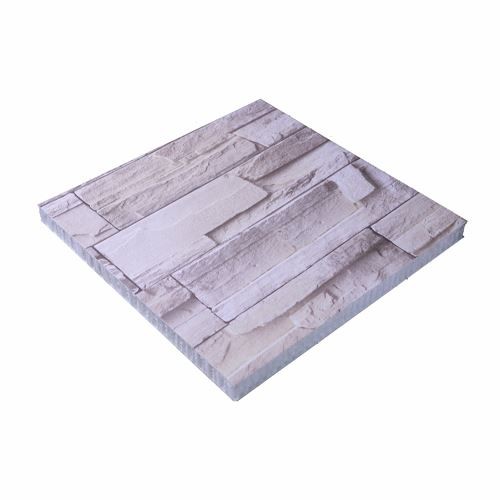
First off, let's talk a bit about Non Woven Honeycomb Panels. These panels are pretty amazing. They're lightweight, strong, and have great insulation properties. They're used in a wide range of applications, from construction to automotive and even aerospace. You can check out some cool honeycomb building panels at Honeycomb-building-panels.
Now, onto the big question: does painting affect the performance of Non Woven Honeycomb Panels? Well, the answer isn't a simple yes or no. It depends on a few factors.
The Type of Paint
The type of paint you use is crucial. Some paints are formulated to be compatible with various materials, while others can cause problems. For example, if you use a paint that contains harsh chemicals or solvents, it could potentially damage the non - woven material of the honeycomb panel.
Let's say you're using a solvent - based paint. These paints often have strong odors and can release volatile organic compounds (VOCs). If the VOCs react with the non - woven fibers in the panel, it might weaken the structure over time. On the other hand, water - based paints are generally more environmentally friendly and less likely to cause chemical reactions. They're a safer bet when it comes to painting Non Woven Honeycomb Panels.
Application Method
How you apply the paint also matters. If you're using a spray gun, you need to make sure the paint is evenly distributed. Uneven application can lead to areas where the paint is too thick or too thin. A thick layer of paint can add unnecessary weight to the panel, which might affect its overall performance, especially if weight is a critical factor in your application.
For instance, in the automotive industry, every extra pound matters. If you paint a Non Woven Honeycomb Panel with a thick, uneven layer of paint, it could reduce the vehicle's fuel efficiency. On the contrary, a thin, even coat of paint can enhance the panel's appearance without significantly altering its properties.
Impact on Insulation
One of the key features of Non Woven Honeycomb Panels is their insulation capabilities. Painting the panel can potentially affect this. If the paint fills the small air pockets in the honeycomb structure, it can reduce the panel's ability to insulate. Air is a great insulator, and when those pockets are filled with paint, the insulation value goes down.
However, if you choose a paint with good insulating properties or apply it in a way that doesn't block the air pockets, you can minimize this effect. Some specialized paints are designed to enhance insulation, and using them could actually improve the panel's performance in this regard.
Aesthetic and Durability
On the positive side, painting Non Woven Honeycomb Panels can enhance their aesthetic appeal. You can choose a color that matches your project's design requirements, making the panels more visually appealing. Additionally, a good quality paint can provide an extra layer of protection against wear and tear, UV rays, and moisture.
For example, if the panels are used outdoors, a paint with UV - resistant properties can prevent the non - woven material from fading and deteriorating due to sun exposure. This can extend the lifespan of the panels and keep them looking good for longer.
Case Studies
I've seen a few projects where painting had a significant impact on the performance of Non Woven Honeycomb Panels. In one construction project, the contractor used a solvent - based paint without proper research. Over time, the paint started to peel, and the panel's strength decreased. The workers noticed that the panels were more prone to damage during installation and use.
On the other hand, in an interior design project, the designer used a high - quality water - based paint with a thin application. The panels not only looked great but also maintained their insulation and strength properties. The project turned out beautifully, and the client was very satisfied.
Thermoplastic Honeycomb Core
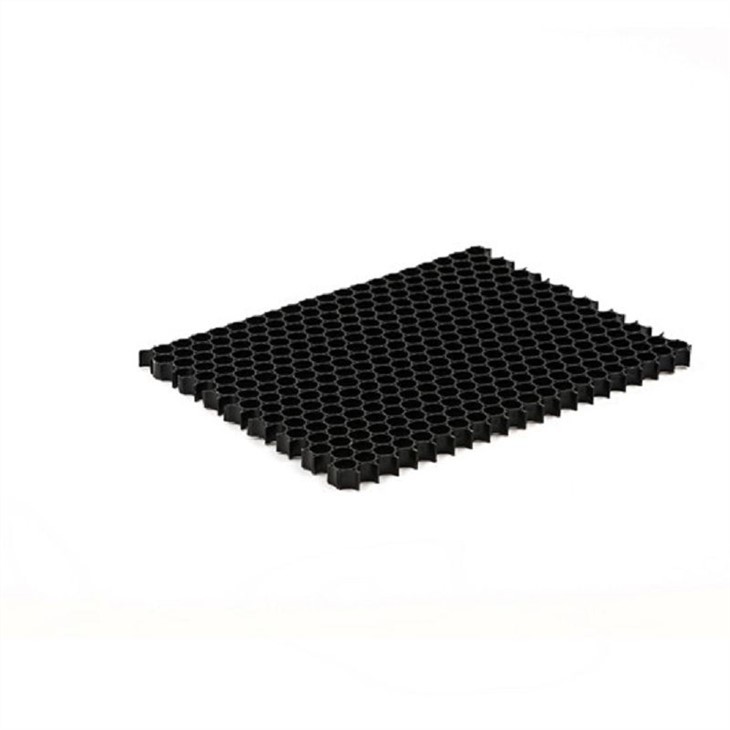
If you're interested in a different type of honeycomb core, you might want to check out Thermoplastic Honeycomb Core. Thermoplastic honeycomb cores have their own unique properties and can be a great alternative in some applications. They might respond differently to painting compared to Non Woven Honeycomb Panels, so it's important to do your research if you're considering using them.
Conclusion
So, does painting affect the performance of Non Woven Honeycomb Panels? The answer is that it can, but with the right paint, application method, and considerations, you can minimize any negative effects and even enhance the panel's performance in some ways.
If you're planning to paint Non Woven Honeycomb Panels for your project, I recommend doing some tests first. Try painting a small sample panel and observing how it performs over time. This way, you can make an informed decision and ensure the best results for your project.
If you're in the market for Non Woven Honeycomb Panels or have any questions about painting them, don't hesitate to reach out. I'm here to help you make the right choices for your project. Whether you're working on a small DIY project or a large - scale commercial endeavor, I've got the expertise and the high - quality panels you need. Let's have a chat and see how we can work together to achieve your goals.
References
- Building Materials Handbook: Covers general information about different types of building panels and their properties.
- Paint Technology Manual: Provides details on various paint types and their chemical compositions.
- Industry Case Studies: Real - world examples of projects using Non Woven Honeycomb Panels and the effects of painting.