

Hey there! As a supplier of Non Woven Honeycomb Panels, I often get asked how these panels stack up against plastic honeycomb panels. So, I thought I'd dive deep into this topic and share some insights based on my experience in the industry.
1. Structure and Composition
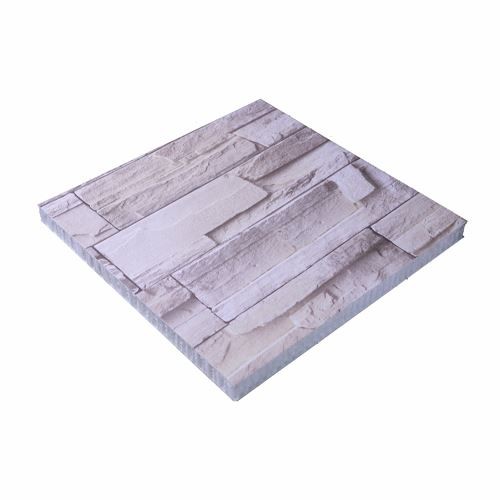
Let's start with the basics. Non Woven Honeycomb Panels are made from non - woven materials. These materials are created by bonding or interlocking fibers together rather than weaving them. This process results in a panel that has a unique structure. The honeycomb design provides excellent strength - to - weight ratio. The non - woven nature gives it a bit of flexibility and makes it resistant to tearing in certain directions.
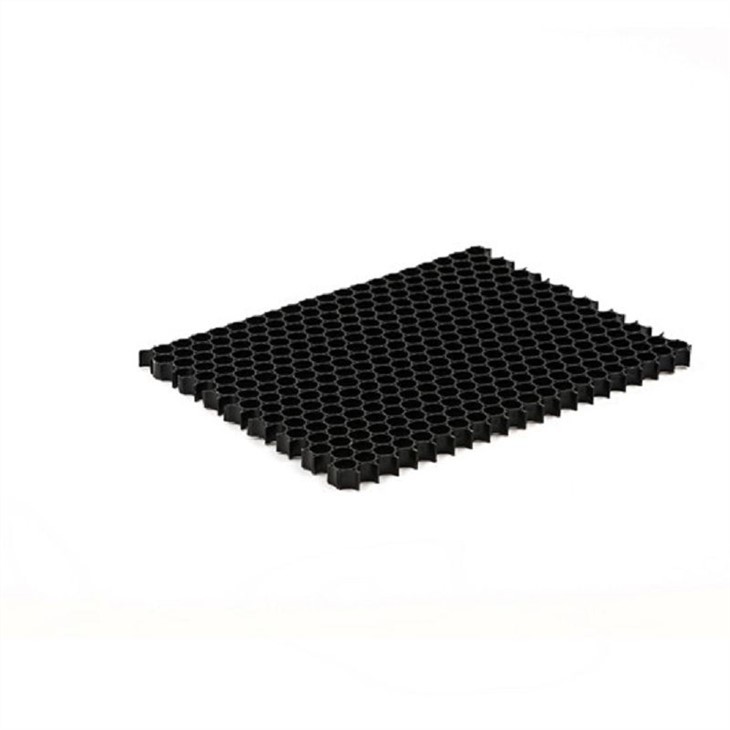
On the other hand, plastic honeycomb panels, well, as the name suggests, are made from plastic. The Thermoplastic Honeycomb Core is a common type. These panels are formed by creating a honeycomb structure out of plastic sheets. The plastic can be different types, like polypropylene, which is known for its durability and chemical resistance.
2. Strength and Durability
When it comes to strength, both types of panels have their advantages. Non Woven Honeycomb Panels are pretty tough. They can withstand a decent amount of pressure and impact. The non - woven fibers distribute the load evenly across the panel, which helps prevent localised damage. They're also great for applications where you need a bit of flexibility along with strength. For example, in some packaging solutions, they can absorb shocks without breaking.
Plastic honeycomb panels, especially those with a high - quality Thermoplastic Honeycomb Core, are extremely rigid. They can handle heavy loads and are often used in industrial applications where high strength is required. However, they can be brittle in some cases. If you subject them to a sharp impact, they might crack or break more easily compared to non - woven panels.
In terms of durability, non - woven panels are resistant to moisture, mildew, and some chemicals. They don't rot like some natural materials, which makes them suitable for outdoor applications. Plastic honeycomb panels are also very durable. They're resistant to corrosion and can last a long time, even in harsh environments. But over time, exposure to UV rays can cause the plastic to degrade and become brittle.
3. Weight
Weight is an important factor, especially in applications where transportation or mobility is involved. Non Woven Honeycomb Panels are generally lightweight. The non - woven materials are not as dense as plastic, so the overall weight of the panel is lower. This makes them ideal for use in the automotive industry, where reducing weight can improve fuel efficiency.
Plastic honeycomb panels can vary in weight depending on the type of plastic and the thickness of the honeycomb structure. Some plastic panels can be quite heavy, especially if they're made from thick plastic sheets. However, there are also lightweight plastic honeycomb options available, but they might sacrifice some strength compared to their heavier counterparts.
4. Cost
Cost is always a consideration for buyers. Non Woven Honeycomb Panels are often more cost - effective in the long run. The raw materials for non - woven panels are relatively inexpensive, and the manufacturing process is not overly complex. This means that you can get a good - quality panel at a reasonable price.
Plastic honeycomb panels can be more expensive. The cost of plastic raw materials can fluctuate depending on market conditions, and the manufacturing process for creating the honeycomb structure can be more involved. However, in some high - end applications where the specific properties of plastic are required, the higher cost might be justified.
5. Environmental Impact
In today's world, environmental impact is a big deal. Non Woven Honeycomb Panels are more environmentally friendly in many ways. The non - woven materials are often made from recycled fibers, which reduces waste. They're also biodegradable in some cases, which means they won't sit in landfills for centuries.
Plastic honeycomb panels, unfortunately, have a negative environmental impact. Plastic is not biodegradable, and it can take hundreds of years to break down. However, some manufacturers are now using recycled plastic to make honeycomb panels, which helps reduce the environmental footprint.
6. Applications
Non Woven Honeycomb Panels have a wide range of applications. They're commonly used in packaging, as they can protect fragile items during shipping. They're also used in the construction industry for interior partitions and insulation. In the automotive industry, they can be used for door panels and seat backs.
Plastic honeycomb panels are used in industrial applications, such as in the manufacturing of machinery and equipment. They're also used in the construction of Honeycomb - building - panels for exterior facades, where their strength and durability are highly valued.
Conclusion
So, there you have it. Non Woven Honeycomb Panels and plastic honeycomb panels each have their own unique features and advantages. If you're looking for a lightweight, cost - effective, and environmentally friendly option, non - woven panels might be the way to go. But if you need high strength and rigidity for industrial or high - end applications, plastic honeycomb panels could be a better choice.
If you're interested in learning more about our Non Woven Honeycomb Panels or have any questions about how they can fit into your specific project, feel free to reach out. We're always happy to have a chat and help you find the best solution for your needs.
References
- Industry reports on honeycomb panel manufacturing
- Technical specifications of non - woven and plastic honeycomb panels from various suppliers