

Hey there! As a supplier of PP Honeycomb Core, I've been getting a lot of questions about its magnetic property. So, I thought I'd take a deep - dive into this topic and share what I know.
First off, let's understand what PP Honeycomb Core is. PP stands for polypropylene, a thermoplastic polymer. The honeycomb core structure is made up of a series of hexagonal cells, which gives it a unique combination of light weight and high strength. You can check out more about Thermoplastic Honeycomb Core on our website.
Now, onto the magnetic property. Polypropylene, the material used to make PP Honeycomb Core, is a non - magnetic material. In simple terms, it doesn't have any inherent magnetic field, and it won't be attracted to magnets. This is because the molecular structure of polypropylene doesn't contain any elements that can create a magnetic effect.
Magnetism generally occurs in materials that have unpaired electrons in their atomic structure. Metals like iron, nickel, and cobalt are well - known magnetic materials because they have these unpaired electrons. When an external magnetic field is applied, these unpaired electrons align themselves, creating a magnetic force. But polypropylene is composed of carbon and hydrogen atoms, and their electron configurations don't allow for this kind of magnetic alignment.
So, why is it important to know that PP Honeycomb Core is non - magnetic? Well, there are several applications where a non - magnetic material is a must - have. For example, in the electronics industry, non - magnetic materials are used to prevent interference with sensitive electronic components. If a magnetic material were to be used near these components, it could disrupt the flow of electrons and cause malfunctions. PP Honeycomb Core can be used as a structural support in electronic devices without causing any magnetic interference.
Another area where the non - magnetic property of PP Honeycomb Core shines is in the medical field. Many medical devices, such as MRI machines, operate based on magnetic fields. Using a non - magnetic material like PP Honeycomb Core ensures that there is no interference with the magnetic field of these machines. This is crucial for accurate medical imaging and diagnosis.
In the aerospace industry, too, non - magnetic materials are highly valued. Aircraft and spacecraft are filled with a variety of electronic systems. The non - magnetic nature of PP Honeycomb Core makes it a great choice for interior panels and structural components, as it won't interfere with the navigation and communication systems on board.
Now, let's talk about the mechanical properties of PP Honeycomb Core that make it even more appealing despite its non - magnetic nature. It has excellent strength - to - weight ratio. The honeycomb structure distributes the load evenly across the material, allowing it to withstand significant forces without adding too much weight. This is why it's used in applications like Honeycomb - building - panels, where light weight and high strength are both required.
PP Honeycomb Core is also resistant to moisture, chemicals, and corrosion. This makes it suitable for outdoor applications and in environments where it may come into contact with various substances. Whether it's used in building facades or marine structures, it can maintain its integrity over time.
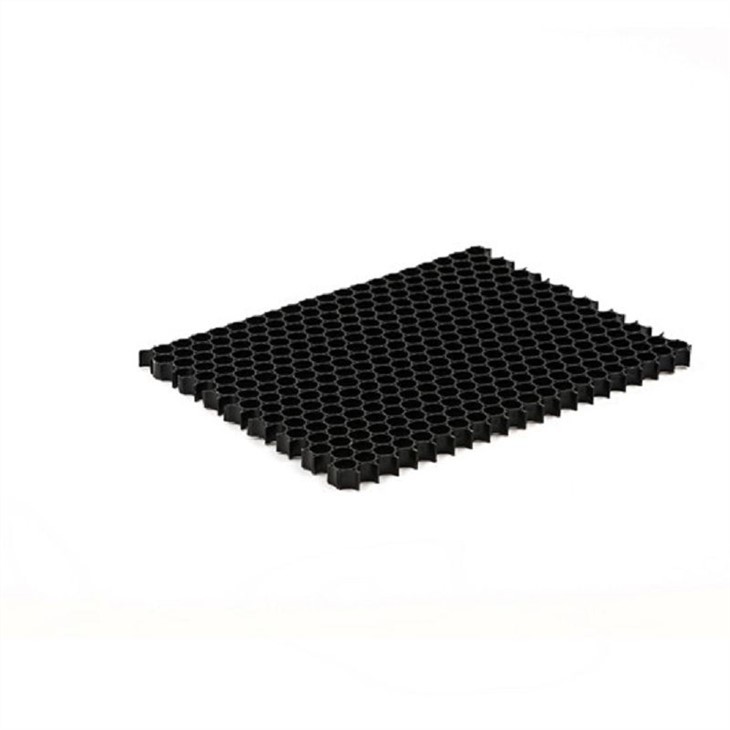
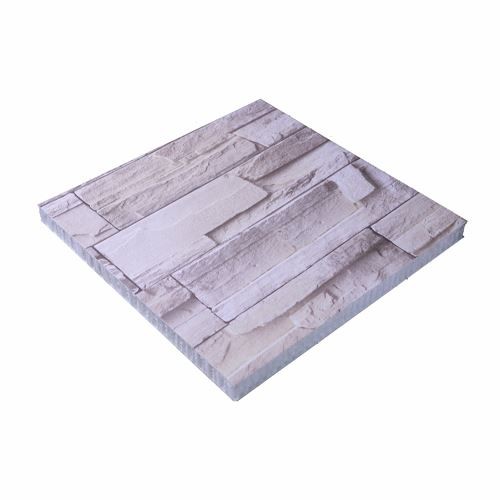
The manufacturing process of PP Honeycomb Core also contributes to its unique properties. It's typically produced through extrusion, which allows for precise control over the cell size and wall thickness of the honeycomb structure. This precision ensures consistent quality and performance across different batches of the product.
When it comes to cost - effectiveness, PP Honeycomb Core is a winner. Compared to some other materials with similar properties, it's relatively inexpensive to produce. This makes it an attractive option for a wide range of industries, from construction to automotive.
In the construction industry, PP Honeycomb Core can be used in building partitions, roofing, and flooring. Its light weight makes it easier to handle during installation, and its strength ensures long - term durability. In the automotive industry, it can be used for interior trim, door panels, and even in some structural components, reducing the overall weight of the vehicle and improving fuel efficiency.
So, if you're in an industry that requires a non - magnetic, lightweight, and strong material, PP Honeycomb Core could be the perfect solution for you. Whether you're in electronics, medical, aerospace, construction, or automotive, we've got you covered.
If you're interested in learning more about our PP Honeycomb Core products or want to discuss a potential project, don't hesitate to reach out. We're always happy to have a chat and see how we can meet your specific needs. Whether it's customizing the cell size, wall thickness, or any other aspect of the product, we have the expertise to make it happen.
In conclusion, the non - magnetic property of PP Honeycomb Core is just one of the many features that make it a versatile and valuable material. Its combination of non - magnetism, strength, light weight, and resistance to various elements makes it suitable for a wide range of applications. So, if you're looking for a high - quality material for your next project, give PP Honeycomb Core a try.
References
- "Polymer Science and Technology" by Charles A. Daniels
- "Materials for Advanced Technologies" edited by C. M. Drain and M. J. Reece