

Hey there! As a supplier of Non Woven Honeycomb Panels, I've had my fair share of customers asking what they should look out for when buying these panels. So, I thought I'd put together this blog to share some tips and things to keep in mind.
Quality of the Material
First off, the quality of the non - woven material used in the honeycomb panel is super important. You want to make sure that the fibers are strong and durable. A high - quality non - woven material will be resistant to tearing, abrasion, and environmental factors like moisture and UV rays.
If the material is of poor quality, you might notice that the panel starts to degrade quickly. For example, it could start to fray at the edges or lose its shape over time. When you're checking the material, give it a little tug. If it feels flimsy or if the fibers start to come apart easily, that's a red flag. You can also ask the supplier for some samples to test out the durability for yourself.
Cell Structure and Size
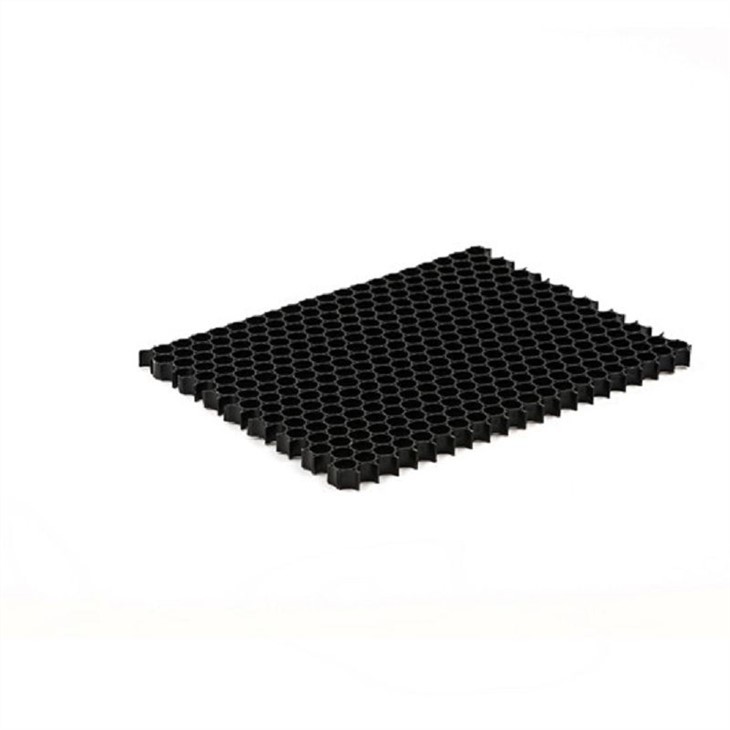
The honeycomb cell structure and size play a big role in the panel's performance. The shape of the honeycomb cells is designed to provide maximum strength with minimum weight. Different applications might require different cell sizes.
For instance, if you're using the panel for a structural application, you'll probably need larger cells that can handle more load. On the other hand, if it's for a decorative or lightweight application, smaller cells might be more suitable. When you're talking to your supplier, make sure to discuss your specific needs so they can recommend the right cell size for you. You can check out more about different honeycomb panel options at Honeycomb - building - panels.
Density and Thickness
Density and thickness are also crucial factors. The density of the panel affects its strength and insulation properties. A higher - density panel will generally be stronger and offer better insulation, but it will also be heavier.
Thickness is another variable. Thicker panels are usually more robust and can withstand more stress. However, they might not be necessary for every application. If you're working on a project with space or weight restrictions, you'll need to find the right balance between density, thickness, and your requirements. Just like with cell size, your supplier can help you figure out the best density and thickness based on what you're using the panel for.
Fire Resistance
Fire safety is a major concern, especially in building and construction applications. You should always ask about the fire - resistance rating of the non - woven honeycomb panel. Panels with a high fire - resistance rating can help prevent the spread of fire in case of an emergency.
Some panels are treated with special chemicals to improve their fire - retardant properties. Make sure to get detailed information from your supplier about the fire - resistance features of the panel. This is not something you want to overlook, as it can have serious implications for the safety of your project.
Environmental Impact
In today's world, environmental impact is a big deal. You should ask your supplier about the environmental friendliness of the non - woven honeycomb panel. Some panels are made from recycled materials, which is a great option if you're looking to reduce your carbon footprint.
Also, find out if the manufacturing process is energy - efficient and if the panel is recyclable at the end of its life. Using eco - friendly products not only helps the environment but can also be a selling point if you're in a market where sustainability is important.
Adhesive Quality
The adhesive used to bond the layers of the non - woven honeycomb panel is often overlooked but is very important. A good adhesive ensures that the panel stays together and maintains its integrity over time.
If the adhesive is of poor quality, the layers might start to delaminate, which can compromise the strength and performance of the panel. Ask your supplier about the type of adhesive they use and its durability. You can also check for any signs of delamination in the samples they provide.
Compatibility with Other Materials
If you're using the non - woven honeycomb panel in combination with other materials, you need to make sure they are compatible. For example, if you're using it with a certain type of coating or finishing material, they should work well together without causing any chemical reactions or adhesion problems.
Talk to your supplier about what other materials the panel can be used with. They should be able to provide you with guidance on how to ensure a seamless integration with other components in your project.
Cost - Effectiveness
Of course, cost is always a consideration. But don't just go for the cheapest option. Instead, look for a balance between quality and price. A high - quality panel might cost a bit more upfront, but it can save you money in the long run by lasting longer and performing better.
Compare quotes from different suppliers, but also take into account all the factors we've discussed above. Sometimes, paying a little extra for a panel with better fire resistance, higher - quality material, or a more suitable cell structure can be well worth it.
Supplier Reputation
Last but not least, the reputation of the supplier matters a lot. You want to work with a supplier who is reliable, has good customer service, and can provide you with technical support if needed.
Check online reviews and ask for references from the supplier. A reputable supplier will be happy to share customer testimonials and case studies. If you can, visit their manufacturing facility or ask to see their production process. This can give you a better idea of their capabilities and the quality of their products. You can also explore different core options at Thermoplastic Honeycomb Core.
In conclusion, buying non - woven honeycomb panels involves considering a lot of factors. From the quality of the material to the reputation of the supplier, each aspect plays a role in ensuring that you get the right panel for your needs. If you have any questions or are ready to start a project, don't hesitate to reach out. I'm here to help you make the best choice for your non - woven honeycomb panel requirements. Let's talk and get your project off to a great start!
References
- General knowledge from years of experience in the non - woven honeycomb panel industry.
- Discussions with industry experts and research on industry standards.