

Yo, folks! As a supplier of Non Slip Honeycomb Panels, I've gotten a ton of questions about how these bad boys perform in salt - water environments. So, I thought I'd sit down and write this blog to give you the lowdown.
First off, let's talk about what non - slip honeycomb panels are. These panels are pretty cool. They've got a honeycomb structure, which is super strong for its weight. And the non - slip part is crucial, especially in areas where safety is a big deal. You know, places where people might be walking around with wet feet or where there's a risk of slipping.
Now, salt - water environments are a whole different ballgame. Salt water is corrosive, and it can mess with a lot of materials over time. But non - slip honeycomb panels are designed to handle this kind of challenge.
One of the key factors in how these panels perform in salt - water is the material they're made of. Most of our non - slip honeycomb panels are made from high - quality polymers that are resistant to corrosion. These polymers can stand up to the harsh chemicals in salt water without breaking down easily.
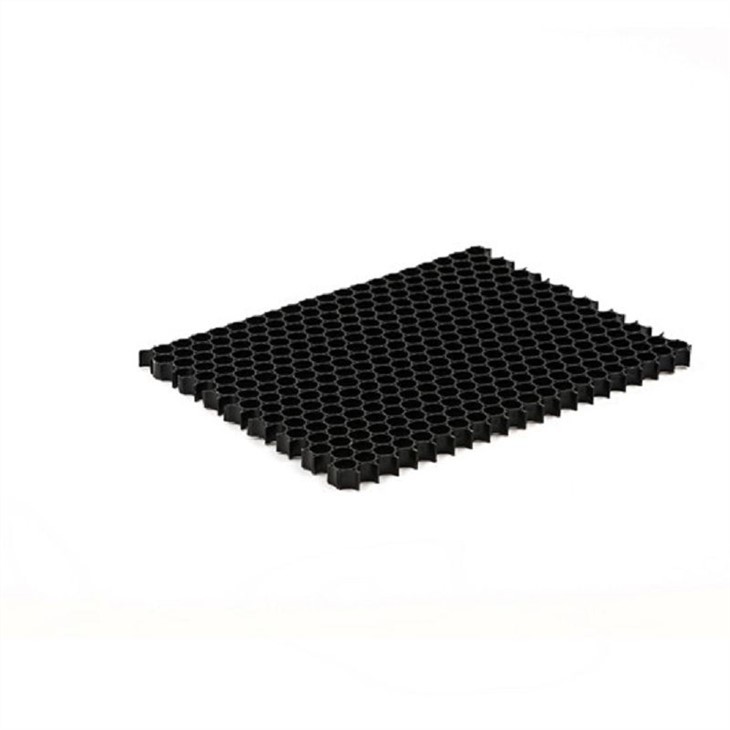
Let's take a look at the Thermoplastic Honeycomb Core. This is the heart of many of our non - slip honeycomb panels. The thermoplastic material has excellent chemical resistance. It doesn't react with the salt in the water, so it won't start to rust or corrode like metal would. This means that the panel maintains its structural integrity even after long - term exposure to salt water.
Another important aspect is the non - slip surface. In a salt - water environment, things can get really slippery. Waves, splashes, and wet surfaces are the norm. Our non - slip honeycomb panels have a special texture on the surface that provides excellent grip. Whether it's a boat deck, a dock, or a poolside area near the ocean, people can walk on these panels with confidence. The non - slip feature is tested rigorously to make sure it works even when the surface is wet with salt water.
But it's not just about the short - term performance. We're also concerned about how these panels hold up over time. In a salt - water environment, there are other factors at play besides just the salt itself. Sunlight, for example, can be pretty harsh. Ultraviolet (UV) rays can break down some materials, making them brittle and less durable. However, our non - slip honeycomb panels are often treated with UV stabilizers. These stabilizers help protect the panels from the sun's rays, so they don't degrade as quickly.
Let's talk about installation. Installing non - slip honeycomb panels in a salt - water environment is relatively straightforward. They're lightweight, which makes them easy to handle and move around. And because of their honeycomb structure, they're also flexible to some extent. This means they can be cut and shaped to fit different spaces, whether it's a curved boat deck or an irregularly shaped dock.
Now, let's consider some real - world applications. Take the boating industry, for instance. Boats are constantly exposed to salt water. The decks need to be safe for passengers and crew to walk on, especially when the sea is rough. Our non - slip honeycomb panels are a great choice for boat decks. They provide a stable and safe surface, and they can withstand the constant pounding of waves and the corrosive effects of salt water.
Docks are another area where these panels shine. Docks are in direct contact with salt water, and they need to be able to handle the traffic of people and equipment. The non - slip surface ensures that workers and visitors can move around safely, and the corrosion - resistant material means the dock will last for a long time.
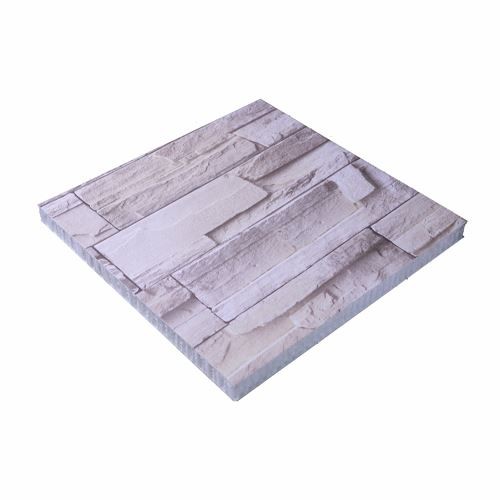
We also have Honeycomb - building - panels that can be used in coastal buildings. These panels can be used for flooring, walls, or even as decorative elements. In a coastal building, they need to be able to handle the salty air and occasional salt - water splashes. Our honeycomb - building - panels are up to the task.
In terms of maintenance, non - slip honeycomb panels in a salt - water environment are pretty low - maintenance. You don't need to do a whole lot to keep them in good condition. A simple rinse with fresh water every once in a while can help remove any salt residue that might have built up on the surface. And if there are any stains or dirt, a mild detergent can be used to clean them.
But don't just take my word for it. There have been plenty of studies on the performance of similar materials in salt - water environments. Researchers have found that polymers like the ones used in our non - slip honeycomb panels have a high resistance to corrosion and degradation in salt - water conditions. These studies also show that the non - slip surfaces remain effective over time, even with repeated exposure to salt water.
So, if you're in the market for a material that can handle the challenges of a salt - water environment, non - slip honeycomb panels are a great option. They offer a combination of strength, safety, and durability that's hard to beat. Whether you're building a new boat, renovating a dock, or constructing a coastal building, these panels can meet your needs.
If you're interested in learning more about our non - slip honeycomb panels or want to discuss a specific project, don't hesitate to reach out. We're here to help you find the best solution for your salt - water environment needs.
References
- Various research papers on polymer corrosion resistance in salt - water environments
- Industry reports on the performance of non - slip surfaces in wet conditions