

As a supplier of Honeycomb Building Panels, I often get asked whether these innovative panels can be used in office buildings. In this blog post, I'll explore the feasibility, benefits, and considerations of using honeycomb building panels in office settings.
The Basics of Honeycomb Building Panels
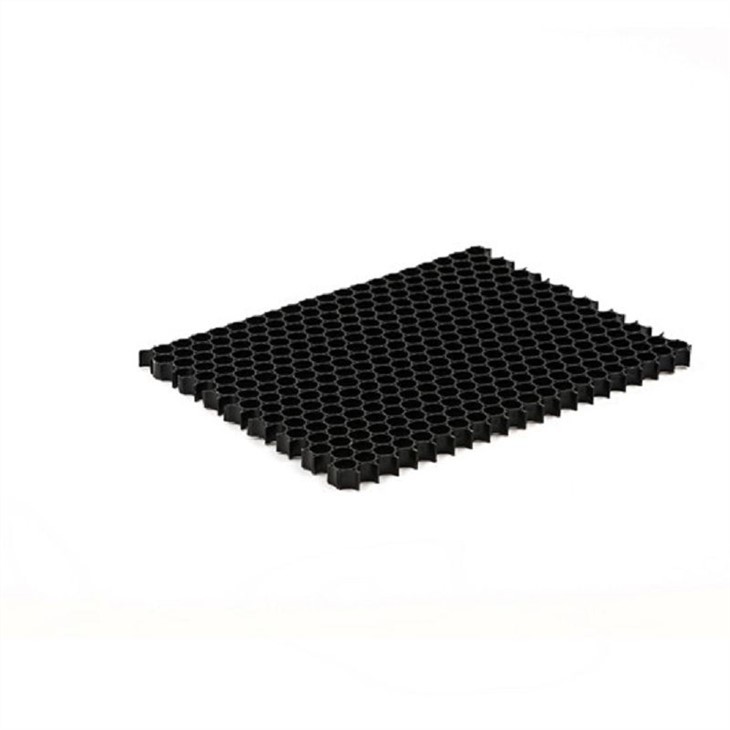
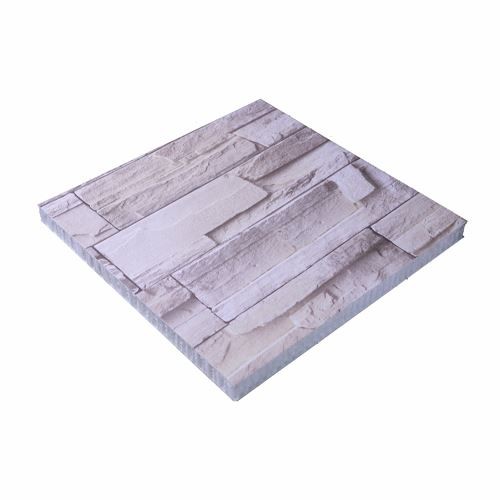
Honeycomb building panels are engineered materials that consist of a honeycomb core sandwiched between two face sheets. The honeycomb core, typically made from materials like aluminum, paper, or Thermoplastic Honeycomb Core, provides exceptional strength and stiffness while keeping the weight of the panel relatively low. The face sheets can be made of various materials such as wood, metal, or composite materials, depending on the specific application and design requirements.
The unique honeycomb structure is inspired by nature, where bees use hexagonal cells to build their hives. This structure offers a high strength-to-weight ratio, making honeycomb building panels an ideal choice for applications where weight reduction is crucial without sacrificing structural integrity.
Advantages of Using Honeycomb Building Panels in Office Buildings
1. Lightweight and Easy to Install
One of the primary advantages of honeycomb building panels is their lightweight nature. Compared to traditional building materials such as concrete or solid wood, honeycomb panels are significantly lighter, which makes them easier to handle and install. This can reduce labor costs and installation time, especially in large office building projects.
2. High Strength and Durability
Despite their lightweight, honeycomb building panels offer excellent strength and durability. The honeycomb core distributes loads evenly across the panel, providing resistance to bending, shear, and impact forces. This makes them suitable for use in various structural applications within an office building, such as partitions, ceilings, and wall cladding.
3. Thermal and Acoustic Insulation
Honeycomb building panels can provide effective thermal and acoustic insulation. The air pockets within the honeycomb core act as insulators, reducing heat transfer and sound transmission. This can help create a more comfortable and energy-efficient office environment, reducing heating and cooling costs and minimizing noise distractions.
4. Design Flexibility
These panels offer a high degree of design flexibility. They can be easily cut, shaped, and finished to meet the specific design requirements of an office building. Whether you're looking for a modern, minimalist look or a more traditional aesthetic, honeycomb building panels can be customized to achieve the desired effect.
5. Sustainability
Many honeycomb building panels are made from recyclable materials, making them an environmentally friendly choice. Additionally, their lightweight nature reduces the amount of material needed for construction, further minimizing the environmental impact.
Applications of Honeycomb Building Panels in Office Buildings
1. Partitions
Honeycomb building panels are commonly used to create partitions within office spaces. Their lightweight and easy installation make them ideal for dividing large open areas into smaller, functional workspaces. The panels can be finished with a variety of materials, such as paint, veneer, or fabric, to match the office decor.
2. Ceilings
In office buildings, honeycomb panels can be used to create suspended ceilings. The panels' lightweight nature reduces the load on the ceiling structure, while their acoustic insulation properties help improve the sound quality within the space. Additionally, the panels can be designed to incorporate lighting fixtures, ventilation systems, and other ceiling-mounted equipment.
3. Wall Cladding
Exterior and interior wall cladding is another popular application for honeycomb building panels. The panels can provide a protective and aesthetically pleasing finish to the building's walls. They can be used to enhance the building's appearance, improve energy efficiency, and protect the underlying structure from the elements.
4. Furniture
Honeycomb building panels can also be used in the manufacturing of office furniture, such as desks, cabinets, and partitions. Their lightweight and strong properties make them suitable for creating furniture that is both functional and stylish.
Considerations When Using Honeycomb Building Panels in Office Buildings
1. Fire Resistance
Depending on the specific application and local building codes, fire resistance may be a critical consideration. Some honeycomb building panels are available with fire-resistant coatings or treatments to meet the required fire safety standards. It's important to ensure that the panels you choose comply with all relevant fire safety regulations.
2. Moisture Resistance
In areas where moisture is a concern, such as bathrooms or kitchens within an office building, it's important to select honeycomb building panels that are moisture-resistant. Some panels are treated with waterproof coatings or made from materials that are inherently resistant to moisture.
3. Cost
While honeycomb building panels offer many benefits, they may be more expensive than traditional building materials in some cases. However, the long-term cost savings in terms of energy efficiency, installation time, and maintenance can offset the initial investment. It's important to consider the overall cost-benefit ratio when deciding whether to use honeycomb panels in an office building project.
Conclusion
In conclusion, honeycomb building panels can be an excellent choice for use in office buildings. Their lightweight, high strength, thermal and acoustic insulation properties, design flexibility, and sustainability make them a versatile and practical option for various applications. However, it's important to consider factors such as fire resistance, moisture resistance, and cost when selecting the panels for your project.
If you're interested in using Honeycomb-building-panels in your office building project, I encourage you to contact us to discuss your specific requirements. Our team of experts can provide you with detailed information, product samples, and pricing to help you make an informed decision.
References
- "Structural and Thermal Performance of Honeycomb Panels for Building Applications" - Journal of Building Engineering
- "The Use of Honeycomb Structures in Construction: A Review" - Construction and Building Materials
- "Design and Analysis of Honeycomb Core Sandwich Panels for Structural Applications" - International Journal of Mechanical Sciences