

Hey there! As a supplier of PET honeycomb panels, I've seen firsthand how crucial it is to pick the right panel for your project. Whether you're working on a small DIY venture or a large - scale commercial build, the choice of PET honeycomb panel can make or break the outcome. So, let's dive into how you can choose the perfect one.
Understanding PET Honeycomb Panels
First things first, what exactly are PET honeycomb panels? PET, or polyethylene terephthalate, is a thermoplastic polymer resin. These panels consist of a honeycomb - structured core made of PET, sandwiched between two face sheets. This design gives them a unique combination of strength and lightness, making them a popular choice in various industries.
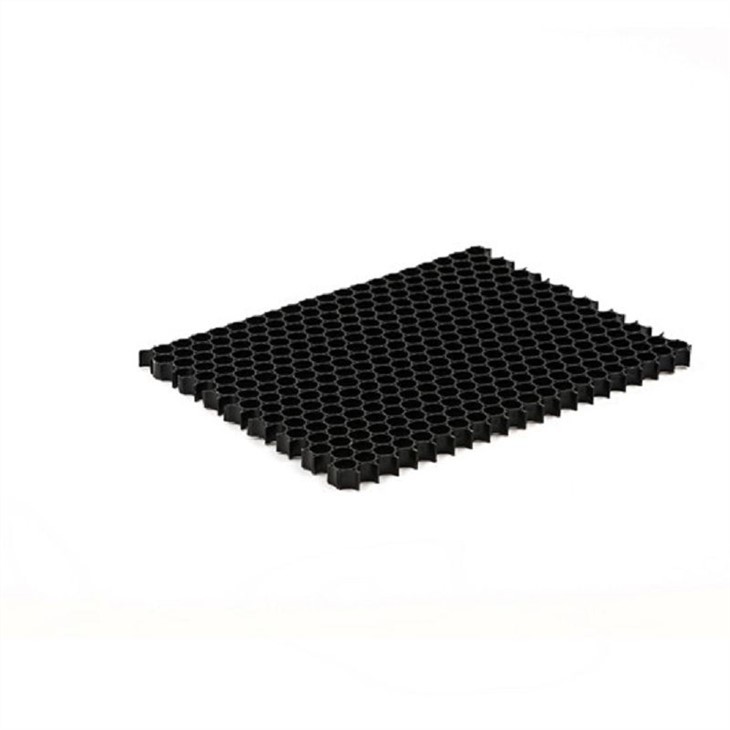
The Thermoplastic Honeycomb Core is the heart of the panel. It provides excellent stiffness and load - bearing capacity while keeping the weight down. This core structure is like a series of interconnected hexagonal cells, which distribute the load evenly across the panel.
Consider Your Project Requirements
The very first step in choosing the right PET honeycomb panel is to understand your project requirements. Are you using it for interior decoration, like wall cladding or partition walls? Or is it for an outdoor application, such as a facade or a roofing element?
Interior Use
For interior projects, aesthetics often play a big role. You'll want a panel with a smooth finish and a color that matches your design scheme. Also, fire - resistance and acoustic properties might be important. PET honeycomb panels can be treated to meet fire - safety standards, and the honeycomb structure can help with sound absorption to some extent.
Outdoor Use
When it comes to outdoor applications, durability is key. The panel needs to withstand harsh weather conditions, including UV radiation, rain, and temperature fluctuations. Look for panels with a protective coating that can resist fading, cracking, and moisture damage. The Honeycomb - building - panels are a great option for outdoor construction as they are designed to be robust and long - lasting.
Evaluate the Panel's Properties
Now that you know what your project needs, it's time to evaluate the properties of the PET honeycomb panels.
Strength and Stiffness
The strength of a panel is measured by its ability to withstand loads without deformation. If you're using the panel in a structural application, like a floor or a large - span partition, you'll need a high - strength panel. The stiffness of the panel determines how much it will bend under a load. A stiffer panel will maintain its shape better. You can check the technical specifications provided by the supplier to compare the strength and stiffness of different panels.
Weight
One of the main advantages of PET honeycomb panels is their low weight. However, the weight can vary depending on the thickness of the core and the face sheets. If you're working on a project where weight is a concern, such as a mobile structure or an installation on a weak foundation, choose a lighter panel. But keep in mind that a very lightweight panel might sacrifice some strength.
Chemical Resistance
In some projects, the panel might come into contact with chemicals. For example, in a laboratory or a food - processing facility, the panel needs to be resistant to acids, alkalis, and other chemicals. Check if the panel has been treated or has inherent chemical - resistant properties.
Think About the Panel's Size and Thickness
The size and thickness of the PET honeycomb panel are also important factors.
Size
Panels come in various standard sizes, but you might need a custom - sized panel for your project. Consider the dimensions of the area where you'll be installing the panel. If you need a large panel without joints, you'll have to check if the supplier can provide it. Also, think about the ease of transportation and handling. Larger panels can be more difficult to move around.
Thickness
The thickness of the panel affects its strength, weight, and insulation properties. A thicker panel will generally be stronger and provide better insulation, but it will also be heavier. Choose a thickness that balances your requirements for strength, weight, and insulation.
Look at the Face Sheet Options
The face sheets of the PET honeycomb panel can have a significant impact on its appearance and performance.
Material
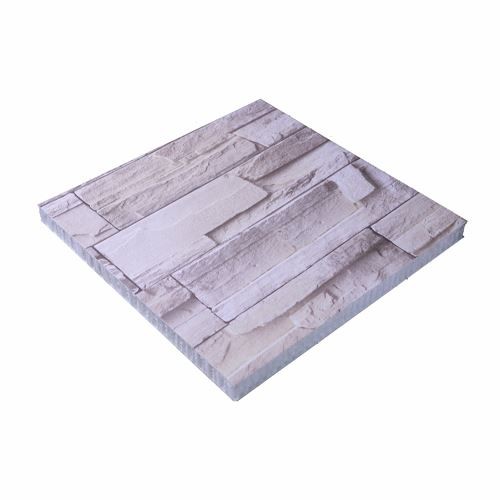
Face sheets can be made of different materials, such as aluminum, steel, wood, or plastic. Aluminum face sheets are lightweight, corrosion - resistant, and have a modern look. Steel face sheets are stronger and more suitable for heavy - duty applications. Wood face sheets give a warm, natural appearance, while plastic face sheets can be customized in terms of color and texture.
Finish
The finish of the face sheet can range from a smooth, glossy finish to a textured or matte finish. A smooth finish is easy to clean and gives a sleek look, while a textured finish can add visual interest and hide minor scratches.
Check the Supplier's Reputation
Last but not least, it's important to check the reputation of the PET honeycomb panel supplier. Look for reviews from other customers, ask for references, and check if the supplier has a history of providing high - quality products. A reliable supplier will offer technical support, product warranties, and on - time delivery.
As a supplier, I'm always here to help you choose the right PET honeycomb panel for your project. If you have any questions or need more information, don't hesitate to reach out. We can discuss your specific requirements and find the best solution for you. Whether you're a contractor, an architect, or a DIY enthusiast, we've got the panels you need to make your project a success. Contact us today to start the conversation about your next project!
References
- General knowledge of PET honeycomb panel technology and industry standards.
- Past experience in supplying PET honeycomb panels to various projects.