

Hey there! As a supplier of Honeycomb Composite Boards, I often get asked about how these boards perform under dynamic loads. So, I thought I'd take a deep dive into this topic and share some insights with you.
First off, let's understand what dynamic loads are. Dynamic loads are forces that change over time. They can come from various sources like wind, earthquakes, machinery vibrations, or even moving vehicles. Unlike static loads, which are constant and unchanging, dynamic loads can be a bit more unpredictable and challenging for materials to handle.
Now, let's talk about honeycomb composite boards. These boards are made up of a honeycomb core sandwiched between two face sheets. The honeycomb core is typically made of materials like aluminum, paper, or thermoplastic, while the face sheets can be made of materials such as metal, wood, or fiberglass. This unique structure gives honeycomb composite boards some really cool properties.
One of the key advantages of honeycomb composite boards under dynamic loads is their high strength-to-weight ratio. The honeycomb structure is incredibly efficient at distributing loads evenly across the board. When a dynamic load is applied, the honeycomb core acts like a network of tiny columns, transferring the force from the face sheets to the core and then dissipating it throughout the structure. This means that the board can withstand a significant amount of force without being overly heavy. For example, in aerospace applications, where weight is a critical factor, honeycomb composite boards are often used because they can provide the necessary strength while keeping the overall weight of the aircraft down.
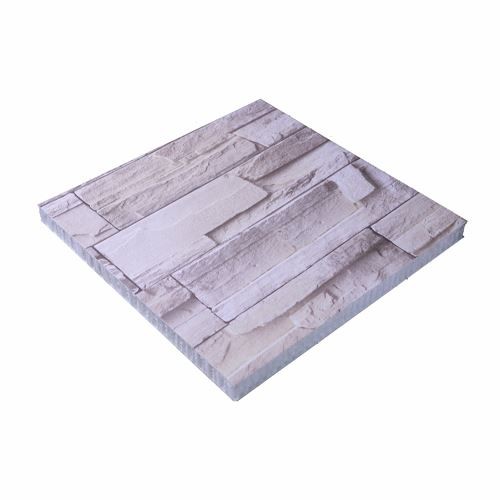
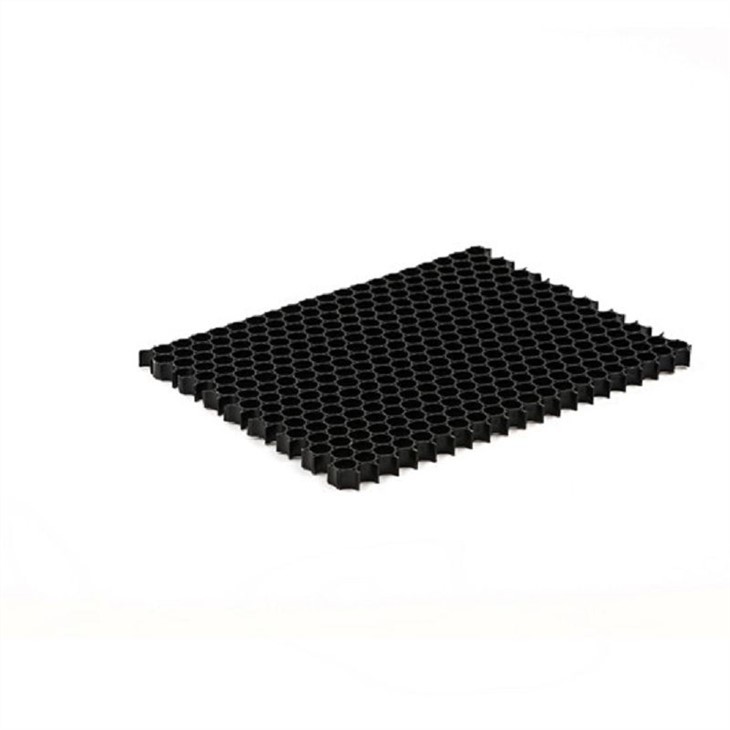
Another important factor is the damping properties of honeycomb composite boards. Damping is the ability of a material to absorb and dissipate energy when it vibrates. When a dynamic load causes the board to vibrate, the honeycomb structure helps to dampen these vibrations. The cells in the honeycomb act as small chambers that trap air and create friction, which converts the vibrational energy into heat and dissipates it. This can be really useful in applications where vibration control is important, such as in machinery or buildings located in earthquake-prone areas.
Let's take a look at some real-world examples. In the construction industry, honeycomb composite boards are used for building facades and partitions. When exposed to wind loads, which are a type of dynamic load, these boards can flex and bend slightly without breaking. The honeycomb core allows the board to absorb the energy from the wind and distribute it evenly, preventing localized stress points that could lead to failure. Similarly, in the automotive industry, honeycomb composite boards are used in interior panels and structural components. When the vehicle is in motion, it experiences various dynamic loads from bumps in the road, acceleration, and braking. The honeycomb composite boards can help to reduce vibrations and noise, providing a more comfortable ride for the passengers.
However, it's important to note that the performance of honeycomb composite boards under dynamic loads can be affected by several factors. The type of honeycomb core material plays a big role. For instance, Thermoplastic Honeycomb Core has different properties compared to an aluminum honeycomb core. Thermoplastic honeycomb cores are often more flexible and have better impact resistance, which can be beneficial in applications where the board may be subjected to sudden impacts. On the other hand, aluminum honeycomb cores are known for their high strength and stiffness, making them suitable for applications where high load-bearing capacity is required.
The thickness and density of the honeycomb core also matter. A thicker core with a higher density will generally provide more strength and better damping properties. However, it will also increase the weight of the board. So, it's a matter of finding the right balance based on the specific application requirements.
The quality of the bonding between the face sheets and the honeycomb core is another crucial factor. If the bonding is weak, the board may delaminate under dynamic loads, which can significantly reduce its performance. That's why it's important to use high-quality adhesives and manufacturing processes to ensure a strong bond.
In addition, the size and shape of the honeycomb cells can affect the board's performance. Different cell sizes and shapes can result in different levels of strength, stiffness, and damping. For example, hexagonal cells are the most common shape in honeycomb structures because they provide the best balance of strength and efficiency.
When it comes to testing the performance of honeycomb composite boards under dynamic loads, there are several methods. One common method is the vibration test, where the board is subjected to a range of frequencies and amplitudes to measure its damping properties and natural frequencies. Another method is the impact test, where a sudden load is applied to the board to simulate a real-world impact. These tests can help to determine the board's ability to withstand dynamic loads and ensure that it meets the required standards.
Now, if you're in the market for Honeycomb Composite Boards and want to learn more about how they can perform under dynamic loads for your specific application, I'd love to have a chat with you. Whether you're working on a construction project, an automotive design, or an aerospace application, we can provide you with the right solution. Our boards are made with high-quality materials and advanced manufacturing techniques to ensure the best performance. You can check out our Honeycomb-building-panels for more information on the types of products we offer.
We understand that every project is unique, and we're committed to working with you to find the perfect Honeycomb Composite Board that meets your needs. So, don't hesitate to reach out and start a conversation about your requirements. We're here to help you make the best choice for your project.
In conclusion, Honeycomb Composite Boards have excellent performance under dynamic loads due to their high strength-to-weight ratio, damping properties, and efficient load distribution. However, it's important to consider factors such as the core material, bonding quality, cell size, and shape to ensure optimal performance. If you have any questions or need further information, feel free to get in touch. We're looking forward to working with you on your next project!
References:
- "Composite Materials in Construction" by John Summerscales
- "Aerospace Materials and Structures" by Max Donachie
- "Vibration Analysis and Testing" by G. K. Grover