

In the realm of construction and industrial applications, the demand for high - performance materials is ever - growing. Non slip honeycomb panels have emerged as a popular choice due to their unique combination of strength, light weight, and anti - slip properties. However, when it comes to high - temperature environments, their performance becomes a critical factor. As a supplier of non slip honeycomb panels, I have witnessed firsthand the importance of understanding how these panels behave under extreme heat conditions.
Material Composition and High - Temperature Resistance
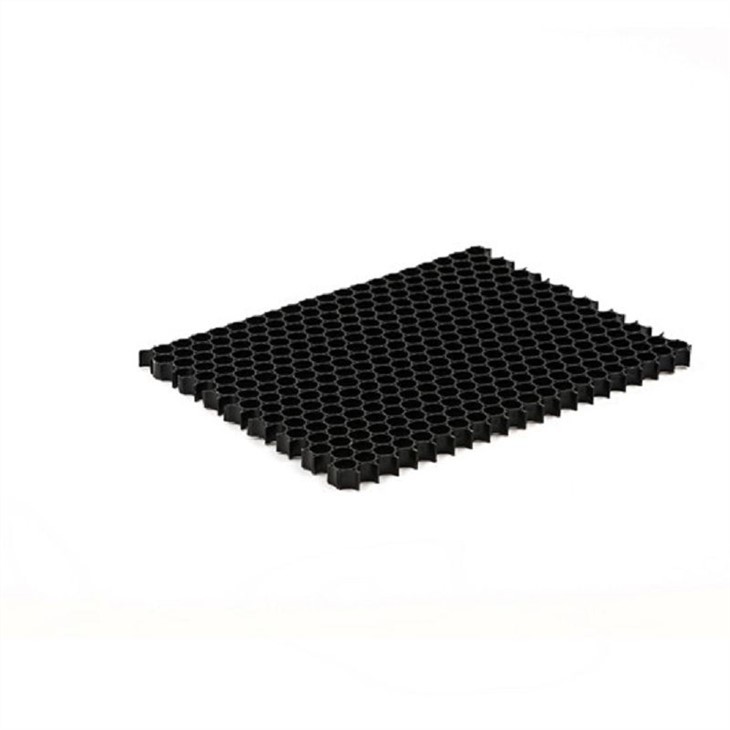
Non slip honeycomb panels are typically composed of a honeycomb core and a surface layer. The honeycomb core is often made of materials like polypropylene (PP), which is known for its light weight and good mechanical properties. You can learn more about Honeycomb - building - panels on our website. These cores are designed to provide structural support while keeping the overall weight of the panel low.
The surface layer is what gives the panel its non - slip property. It can be made of various materials, such as rubber, textured polymers, or other friction - enhancing substances. The performance of both the core and the surface layer in high - temperature environments is influenced by their material properties.
For instance, polypropylene honeycomb cores have a relatively low melting point compared to some other engineering plastics. When exposed to high temperatures, the mechanical properties of the PP honeycomb core may start to degrade. The stiffness and strength of the core can decrease, which may lead to a loss of structural integrity in the panel. However, if the temperature does not exceed the softening point of the polypropylene significantly, the core can still maintain a certain level of performance.
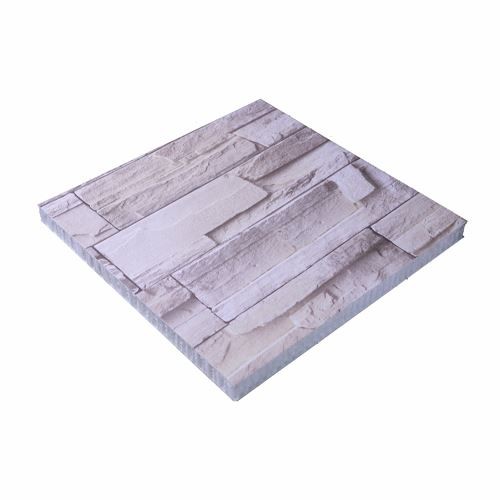
On the other hand, the surface layer's non - slip performance can also be affected by high temperatures. Rubber - based surface layers may become softer and more sticky at high temperatures, which can actually increase the coefficient of friction in some cases. However, if the temperature is too high, the rubber may start to break down, releasing volatile compounds and losing its non - slip properties.
Thermal Expansion and Its Impact
Another important aspect to consider is thermal expansion. All materials expand when heated, and non slip honeycomb panels are no exception. The honeycomb structure of the core and the surface layer may expand at different rates, which can cause internal stresses within the panel.
If the thermal expansion is not properly managed, it can lead to warping, delamination, or cracking of the panel. For example, if the surface layer expands more than the honeycomb core, it may start to peel away from the core, reducing the overall performance of the panel. To mitigate these issues, manufacturers often design panels with materials that have similar coefficients of thermal expansion or use special bonding techniques to ensure good adhesion between the core and the surface layer.
Testing and Quality Assurance
At our company, we conduct rigorous testing to ensure that our non slip honeycomb panels can perform well in high - temperature environments. We use advanced testing equipment to simulate different temperature conditions and measure the mechanical properties, non - slip performance, and dimensional stability of the panels.
For example, we use a thermal chamber to expose the panels to a range of high temperatures for a specified period. During the test, we measure the change in the panel's thickness, length, and width to assess its thermal expansion. We also test the non - slip performance using a friction tester to determine if the panel can still provide adequate traction at high temperatures.
In addition to laboratory testing, we also conduct field trials in real - world high - temperature environments. This allows us to observe how the panels perform under actual working conditions and make any necessary adjustments to our manufacturing processes.
Applications in High - Temperature Environments
Non slip honeycomb panels have a wide range of applications in high - temperature environments. In the automotive industry, they can be used in engine compartments, where the temperature can reach high levels. The non - slip property of the panels is important to prevent objects from sliding around, while their light weight helps to reduce the overall weight of the vehicle.
In the aerospace industry, non slip honeycomb panels can be used in areas near engines or in high - temperature zones of the aircraft. Their high strength - to - weight ratio makes them an ideal choice for applications where weight is a critical factor.
In industrial settings, such as factories and power plants, non slip honeycomb panels can be used on walkways, platforms, and stairs. These areas are often exposed to high temperatures from machinery or processing operations, and the non - slip panels can provide a safe working surface for employees.
Advantages of Our Non Slip Honeycomb Panels in High - Temperature Environments
Our non slip honeycomb panels are designed with several features that make them suitable for high - temperature applications. First, we use Thermoplastic Honeycomb Core materials that have been specially formulated to have better high - temperature resistance. These cores can maintain their mechanical properties at higher temperatures compared to standard polypropylene cores.
Second, our surface layers are made of high - quality materials that are resistant to heat and degradation. They can maintain their non - slip performance even at elevated temperatures, providing a safe and reliable surface.
Third, we pay close attention to the design and manufacturing process to ensure that the panels have good dimensional stability and resistance to thermal expansion. This helps to prevent issues such as warping and delamination, ensuring the long - term performance of the panels in high - temperature environments.
Conclusion and Call to Action
In conclusion, non slip honeycomb panels can perform well in high - temperature environments, but their performance depends on several factors, including material composition, thermal expansion, and proper testing. As a supplier of non slip honeycomb panels, we are committed to providing high - quality products that can meet the needs of our customers in various high - temperature applications.
If you are looking for non slip honeycomb panels for your high - temperature projects, we invite you to contact us for a detailed discussion. Our team of experts can help you select the right panels for your specific requirements and provide you with all the necessary technical support. We look forward to the opportunity to work with you and contribute to the success of your projects.
References
- Smith, J. (2018). "Thermal Properties of Polypropylene Composites". Journal of Polymer Science.
- Johnson, M. (2019). "Non - Slip Surface Materials for High - Temperature Applications". Industrial Materials Review.