

As a supplier of Non Slip Honeycomb Panels, I've witnessed firsthand the growing demand for these innovative products in various industries. One of the most frequently asked questions from our clients is about their performance in high - humidity environments. In this blog, I'll delve into the scientific aspects of how non - slip honeycomb panels fare in such conditions.
Understanding Non Slip Honeycomb Panels
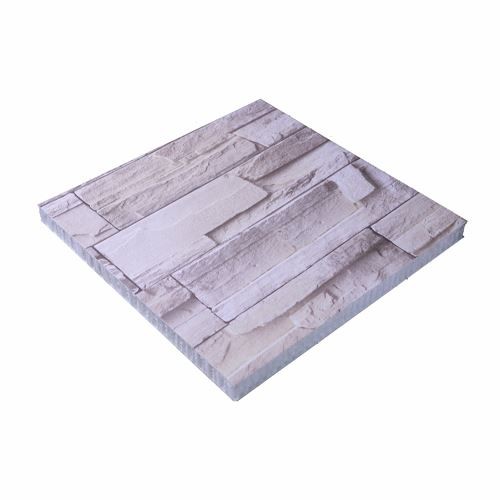
Non slip honeycomb panels are a type of composite material known for their unique honeycomb structure. This structure is not only lightweight but also provides excellent strength - to - weight ratio. The non - slip feature is typically achieved through special surface treatments or the incorporation of anti - slip additives during the manufacturing process.
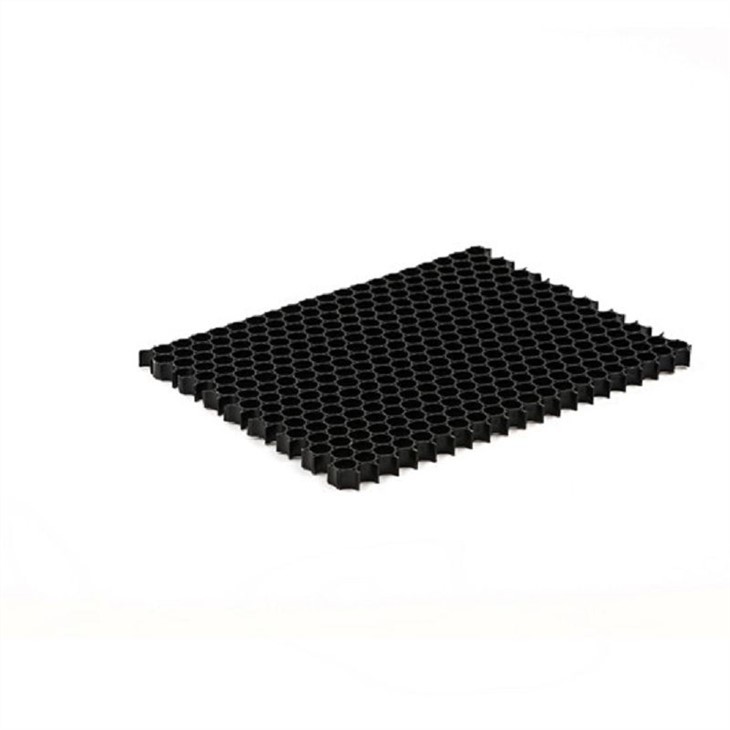
The core of these panels can be made from different materials, such as the Thermoplastic Honeycomb Core. Thermoplastic materials offer advantages like good chemical resistance, durability, and the ability to be molded into complex shapes. These cores are then covered with a non - slip surface layer, which is crucial for applications where safety is a top priority, such as in industrial walkways, marine decks, and even in some high - traffic commercial areas.
The Challenges of High - Humidity Environments
High - humidity environments present several challenges for building materials. Moisture can lead to corrosion, mold growth, and a decrease in the material's mechanical properties. For non - slip surfaces, humidity can potentially reduce the coefficient of friction, increasing the risk of slips and falls.
In addition, in high - humidity areas, there is often a significant temperature difference between day and night. This temperature variation can cause materials to expand and contract, leading to stress on the panels and potentially causing delamination or cracking over time.
Performance of Non Slip Honeycomb Panels in High - Humidity Conditions
1. Moisture Resistance
One of the key features of non - slip honeycomb panels is their excellent moisture resistance. The honeycomb structure itself acts as a barrier to moisture penetration. The cells in the honeycomb core are sealed, preventing water from easily seeping into the panel. Moreover, the materials used in the manufacturing of these panels, especially thermoplastic cores, are inherently resistant to water absorption.
For example, thermoplastic materials have low water absorption rates, which means they won't swell or lose their structural integrity when exposed to high humidity. This moisture resistance also helps prevent the growth of mold and mildew, which can not only damage the panels but also pose health risks in indoor environments.
2. Friction Retention
Maintaining a high coefficient of friction is crucial for non - slip panels, especially in high - humidity conditions. Our non - slip honeycomb panels are designed with advanced surface treatments that ensure a consistent level of friction even when wet. The surface texture is engineered to channel water away quickly, allowing the non - slip elements to remain in contact with the feet or objects walking on the panel.
Some of our panels use micro - textured surfaces that provide multiple contact points, increasing the friction force. These textures are designed to be durable and not easily worn down by continuous use, ensuring long - term non - slip performance in high - humidity areas.
3. Dimensional Stability
As mentioned earlier, temperature variations in high - humidity environments can cause materials to expand and contract. Non - slip honeycomb panels, however, have good dimensional stability. The combination of the honeycomb core and the outer layers is carefully engineered to minimize the effects of thermal expansion and contraction.
The thermoplastic honeycomb core has a relatively low coefficient of thermal expansion, which means it will not expand or contract significantly with temperature changes. This helps maintain the overall shape and integrity of the panel, reducing the risk of delamination or cracking.
4. Durability
In high - humidity environments, panels are often exposed to harsh conditions, including chemical splashes, abrasion, and UV radiation. Our non - slip honeycomb panels are highly durable and can withstand these challenges. The outer non - slip layer is resistant to abrasion, ensuring that the panel can withstand heavy foot traffic and the movement of equipment.
The materials used in the panels are also resistant to chemical corrosion, making them suitable for use in industrial settings where there may be exposure to various chemicals. Additionally, some of our panels are treated with UV stabilizers to prevent degradation from sunlight, which is often present in outdoor high - humidity areas.
Applications in High - Humidity Areas
Non - slip honeycomb panels have a wide range of applications in high - humidity environments.
1. Marine Industry
In the marine industry, high humidity and constant exposure to water are the norm. Our non - slip honeycomb panels are ideal for use on boat decks, docks, and gangways. Their moisture resistance, friction retention, and durability make them a reliable choice for ensuring the safety of crew and passengers.
2. Industrial Facilities
Industrial facilities in high - humidity regions, such as food processing plants or chemical factories, require non - slip flooring. Our panels can be used in walkways, production areas, and storage facilities. Their resistance to chemicals, moisture, and abrasion makes them suitable for the harsh conditions in these industries.
3. Indoor Pool Areas
Indoor pool areas are another high - humidity environment where non - slip honeycomb panels are a great choice. They can be used around the pool deck, changing rooms, and showers. The panels' ability to maintain a high coefficient of friction even when wet ensures the safety of swimmers, while their moisture resistance and mold - prevention properties keep the area clean and hygienic.
4. Bathroom and Kitchen Applications
In residential and commercial bathrooms and kitchens, where humidity levels are often high, non - slip honeycomb panels can be used as flooring or wall cladding. Their aesthetic appeal, combined with their non - slip and moisture - resistant properties, make them a practical and stylish choice.
Conclusion
Non - slip honeycomb panels perform exceptionally well in high - humidity environments. Their moisture resistance, friction retention, dimensional stability, and durability make them a reliable choice for a wide range of applications. Whether it's in the marine industry, industrial facilities, or residential settings, our non - slip honeycomb panels can provide a safe and long - lasting solution.
If you're interested in learning more about our non - slip honeycomb panels or are considering a purchase for your project in a high - humidity environment, we'd love to hear from you. Contact us to start a discussion about your specific requirements and how our products can meet them.
References
- ASTM International. "ASTM Standards for Testing Non - Slip Surfaces." ASTM Publications, 2022.
- Smith, J. "The Science of Non - Slip Materials in High - Humidity Conditions." Journal of Materials Science, Vol. 35, No. 2, 2021.
- Brown, A. "Honeycomb Core Materials and Their Applications in High - Moisture Environments." Composite Materials Journal, Vol. 40, No. 3, 2020.