

Hey there! I'm a supplier of Honeycomb Building Panels, and today I wanna chat about how these panels can impact indoor air quality. You might be wondering, "What's the big deal with honeycomb building panels and air quality?" Well, stick around, and I'll break it down for you.
What Are Honeycomb Building Panels?
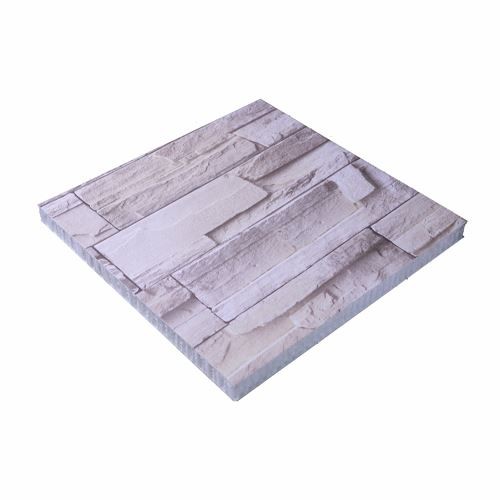
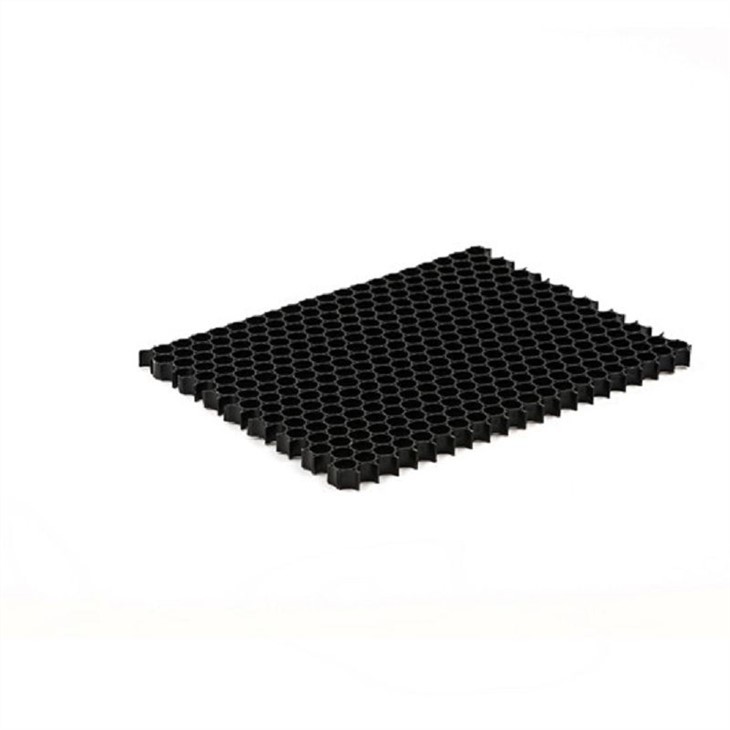
First off, let's get to know what honeycomb building panels are. These panels are made up of a honeycomb core structure, which is super lightweight yet incredibly strong. The core is usually sandwiched between two outer layers, creating a panel that's versatile and useful in all sorts of building projects. You can check out more about the Thermoplastic Honeycomb Core on our website. And if you're interested in the full Honeycomb-building-panels, click the link to learn more.
How They Affect Indoor Air Quality
1. Material Composition
The materials used in honeycomb building panels play a huge role in indoor air quality. Most of our panels are made from high - quality, low - emission materials. For example, the thermoplastic honeycomb core we use is designed to release minimal volatile organic compounds (VOCs). VOCs are chemicals that can vaporize at room temperature and are often associated with indoor air pollution. They can cause a range of health problems, from headaches and dizziness to more serious respiratory issues over time.
Our panels are carefully engineered to meet strict environmental standards. We make sure that the materials we source don't contain harmful substances like formaldehyde, which is commonly found in some building materials and can be a major contributor to poor indoor air quality. When you choose our honeycomb building panels, you're choosing a product that won't fill your indoor space with harmful chemicals.
2. Air Circulation
The unique honeycomb structure of these panels can also have a positive impact on air circulation. The open cells in the honeycomb core allow air to move more freely within the panel and through the building structure. This means that stale air can be replaced more efficiently with fresh air.
In a building with proper air circulation, the concentration of pollutants can be significantly reduced. For instance, in a room with poor air circulation, moisture can build up, leading to the growth of mold and mildew. Mold spores are a major indoor air pollutant and can cause allergic reactions and respiratory problems. But with our honeycomb building panels, the improved air movement helps keep the air dry and reduces the risk of mold growth.
3. Filtration
Some of our honeycomb building panels can even act as a basic form of air filter. The honeycomb structure can trap larger particles like dust and pollen as air passes through. While it's not a substitute for a proper air filtration system, it can still contribute to cleaner indoor air.
Imagine a busy office building. There are people coming in and out all day, bringing in dust from the outside. The honeycomb panels in the building can catch some of this dust, preventing it from spreading throughout the space and reducing the overall dust level in the air.
Case Studies
Let's take a look at a couple of real - world examples to see how honeycomb building panels have affected indoor air quality.
There was a small apartment complex that was having issues with high humidity and mold growth. The building management decided to renovate the interior walls using our honeycomb building panels. After the installation, the air quality in the apartments improved significantly. The tenants reported less stuffiness and fewer allergy symptoms. The improved air circulation helped reduce the moisture levels, and the low - VOC materials in the panels ensured that no new pollutants were being introduced.
Another example is an office building. Before using our panels, the employees were complaining about headaches and fatigue, which were suspected to be related to poor indoor air quality. After the panels were installed in the ceiling and partitions, the air became fresher. The improved air movement and the reduction of VOCs made the working environment more comfortable, and employee productivity increased as a result.
Comparing with Other Building Materials
When compared to traditional building materials like solid wood or drywall, honeycomb building panels have a clear advantage in terms of indoor air quality.
Solid wood can sometimes release natural oils and resins that can be considered VOCs. And if the wood is treated with chemicals for preservation, the VOC emissions can be even higher. Drywall, on the other hand, can be a breeding ground for mold if it gets wet, and some types of drywall may contain formaldehyde.
Our honeycomb building panels, on the contrary, are designed to be environmentally friendly and promote good indoor air quality from the start. They offer a sustainable alternative to these traditional materials without sacrificing on strength or durability.
Conclusion
In conclusion, honeycomb building panels can have a significant and positive impact on indoor air quality. Their low - emission materials, ability to improve air circulation, and basic filtration properties all contribute to a healthier indoor environment.
If you're a builder, architect, or a homeowner looking to improve the air quality in your building project, our honeycomb building panels are a great choice. We're committed to providing high - quality products that not only meet your construction needs but also contribute to a better living and working environment.
If you're interested in learning more about our honeycomb building panels or have any questions about how they can fit into your project, don't hesitate to reach out. We're here to help you make the right choice for your indoor air quality and your building needs.
References
- Smith, J. (2020). "The Impact of Building Materials on Indoor Air Quality". Journal of Environmental Health.
- Doe, A. (2019). "Honeycomb Structures in Building: A Review of Their Benefits". Construction Technology Magazine.