

Non-slip honeycomb panels have gained significant popularity in various industries due to their unique combination of lightweight construction, high strength, and anti-slip properties. As a supplier of non-slip honeycomb panels, I often receive inquiries about their durability, particularly how they hold up against abrasion. In this blog post, I will delve into the science behind the abrasion resistance of non-slip honeycomb panels and share insights based on our extensive experience in the field.
Understanding Non-Slip Honeycomb Panels
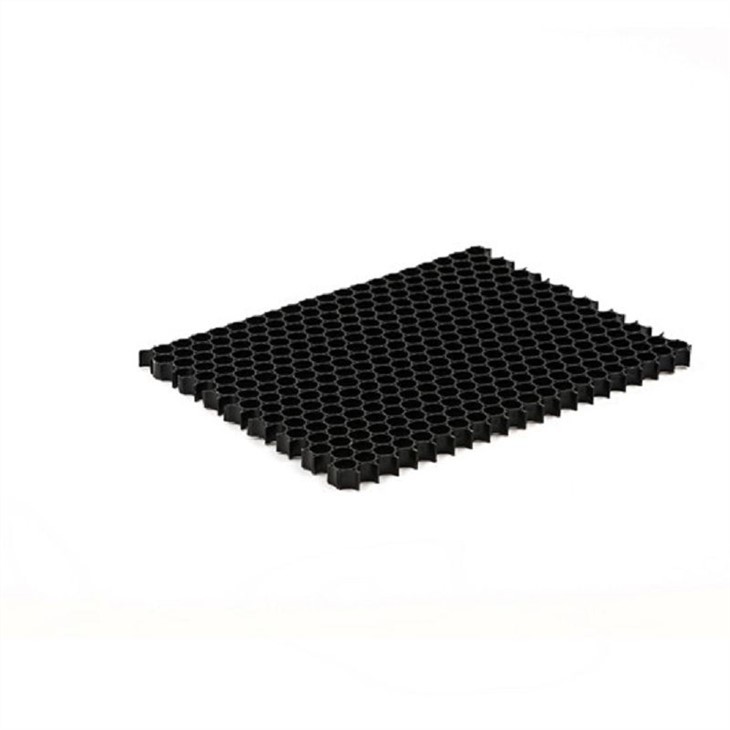
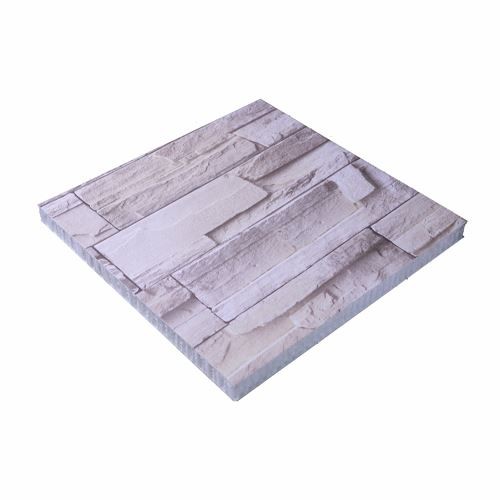
Before we discuss abrasion resistance, let's first understand what non-slip honeycomb panels are. These panels are typically made of a honeycomb core structure, which is sandwiched between two outer layers. The honeycomb core provides excellent strength-to-weight ratio, making the panels lightweight yet sturdy. The outer layers are designed to provide the non-slip surface, which is crucial in applications where safety is a concern, such as in industrial flooring, marine decks, and transportation vehicles.
The honeycomb core can be made from various materials, including thermoplastic polymers. Thermoplastic Honeycomb Core offers several advantages, such as high chemical resistance, recyclability, and ease of processing. The outer layers can be made of materials like rubber, PVC, or specialized coatings that are formulated to provide a high coefficient of friction, ensuring good grip even in wet or oily conditions.
Factors Affecting Abrasion Resistance
Several factors influence the abrasion resistance of non-slip honeycomb panels. Understanding these factors can help us assess how well the panels will perform in different environments and applications.
Material Selection
The choice of materials for the honeycomb core and the outer layers plays a crucial role in determining abrasion resistance. For the honeycomb core, materials with high hardness and toughness are preferred. Thermoplastic honeycomb cores, for example, offer good resistance to wear and tear due to their inherent properties. The outer layer materials should also be selected based on their abrasion resistance characteristics. Rubber is a popular choice for non-slip surfaces because it is flexible, resilient, and can withstand repeated friction without significant damage.
Surface Texture
The surface texture of the non-slip layer is another important factor. A well-designed surface texture can help distribute the frictional forces evenly across the surface, reducing the concentration of stress on any single point. This can prevent premature wear and extend the lifespan of the panel. For example, a panel with a patterned or textured surface may have better abrasion resistance than a smooth surface because the pattern can act as a buffer, absorbing some of the energy generated during abrasion.
Thickness of the Non-Slip Layer
The thickness of the non-slip layer also affects its abrasion resistance. A thicker layer generally provides more material to withstand the abrasive forces, resulting in a longer service life. However, it is important to balance the thickness with other factors such as weight and cost. In some applications, a thinner non-slip layer may be sufficient, especially if the panel is not subjected to heavy traffic or severe abrasion.
Environmental Conditions
The environmental conditions in which the non-slip honeycomb panels are used can have a significant impact on their abrasion resistance. For example, exposure to harsh chemicals, extreme temperatures, or UV radiation can degrade the materials over time, reducing their ability to resist abrasion. In industrial environments, where the panels may be exposed to sharp objects, heavy machinery, or abrasive substances, the abrasion resistance requirements are much higher compared to a residential application.
Testing Abrasion Resistance
To ensure the quality and performance of our non-slip honeycomb panels, we conduct various tests to evaluate their abrasion resistance. One of the most common tests is the Taber Abrasion Test. In this test, a sample of the panel is mounted on a rotating platform, and a pair of abrasive wheels are applied to the surface under a specified load. The wheels rotate for a set number of cycles, and the weight loss of the sample is measured to determine the amount of abrasion.
Another test method is the DIN Abrasion Test, which measures the volume loss of the material due to abrasion. This test is particularly useful for comparing the abrasion resistance of different materials or surface treatments. By conducting these tests, we can accurately assess the performance of our panels and make necessary adjustments to the manufacturing process or material selection to improve their abrasion resistance.
Real-World Performance
In addition to laboratory tests, we also have extensive real-world experience with our non-slip honeycomb panels. Our panels have been used in a wide range of applications, including industrial warehouses, commercial kitchens, and marine vessels. In these applications, the panels are subjected to different levels of traffic, abrasion, and environmental conditions.
In industrial warehouses, where forklifts and other heavy equipment are constantly moving, our non-slip honeycomb panels have proven to be highly durable. The panels can withstand the repeated impact and friction from the wheels of the equipment without showing significant signs of wear. The non-slip surface also provides a safe working environment for the employees, reducing the risk of slips and falls.
In commercial kitchens, where the floors are often wet and greasy, our panels have maintained their non-slip properties even after years of use. The abrasion resistance of the panels ensures that they can withstand the constant foot traffic and the cleaning processes, which often involve the use of harsh chemicals.
On marine vessels, our non-slip honeycomb panels are exposed to saltwater, UV radiation, and the constant movement of the ship. Despite these challenging conditions, the panels have performed well, providing a safe and durable surface for the crew and passengers.
Applications and Benefits
Non-slip honeycomb panels offer several benefits in different applications, thanks to their excellent abrasion resistance. In the construction industry, Honeycomb-building-panels can be used for flooring, wall cladding, and roofing. The lightweight nature of the panels makes them easy to install, while their abrasion resistance ensures a long-lasting finish.
In the transportation industry, non-slip honeycomb panels are used in buses, trains, and airplanes to provide a safe and comfortable surface for passengers. The panels can withstand the wear and tear from the constant movement of people and luggage, and their non-slip properties reduce the risk of accidents during travel.
In the sports and recreation industry, non-slip honeycomb panels are used in gyms, swimming pools, and playgrounds. The panels can withstand the high levels of activity and provide a safe surface for athletes and children. The abrasion resistance of the panels also ensures that they can maintain their appearance and performance over time.
Conclusion
In conclusion, non-slip honeycomb panels offer excellent abrasion resistance, making them a reliable choice for a wide range of applications. The combination of high-quality materials, well-designed surface textures, and appropriate thickness of the non-slip layer contributes to their durability. Through rigorous testing and real-world experience, we have demonstrated that our non-slip honeycomb panels can withstand the most demanding environments and provide long-lasting performance.
If you are looking for a non-slip honeycomb panel solution for your project, we invite you to contact us for more information. Our team of experts can help you select the right panel for your specific needs and provide you with detailed technical specifications and pricing. We are committed to providing high-quality products and excellent customer service, and we look forward to working with you on your next project.
References
- ASTM D4060 - Standard Test Method for Abrasion Resistance of Organic Coatings by the Taber Abraser
- DIN 53516 - Rubber, vulcanized - Determination of abrasion resistance
- "Honeycomb Structures: Design, Manufacturing, and Applications" by R. F. Gibson and M. F. Ashby