

Hey there! As a supplier of Non Woven Honeycomb Panels, I often get asked about what kind of paint is suitable for these panels. So, I thought I'd share some insights based on my experience in the industry.
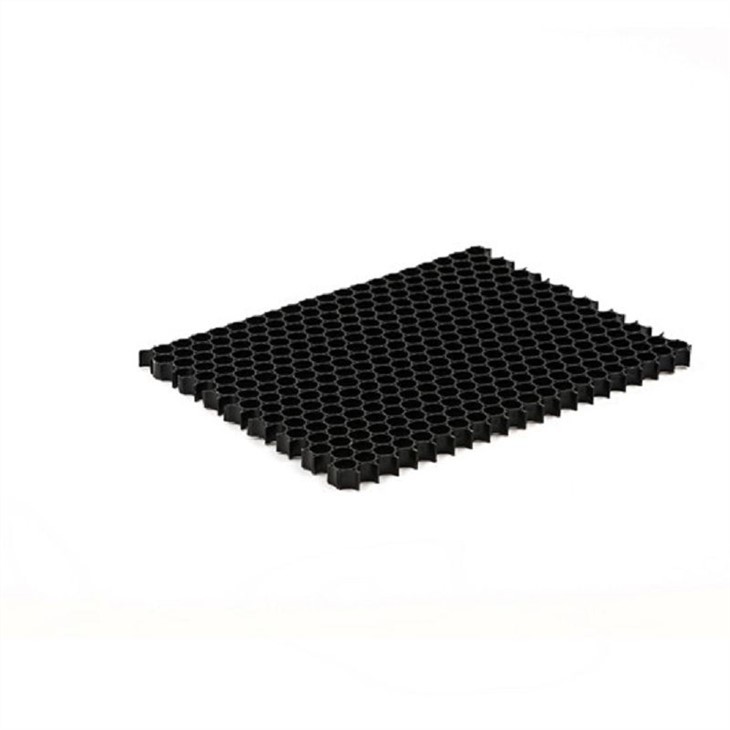
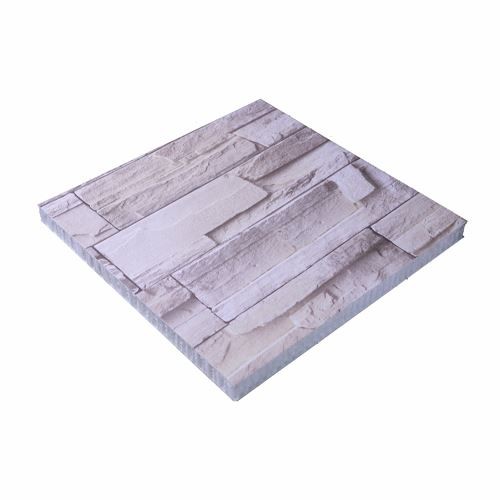
First off, let's understand a bit about Non Woven Honeycomb Panels. These panels are known for their lightweight yet strong structure. They're made from non - woven materials arranged in a honeycomb pattern, which gives them excellent strength - to - weight ratio. They're used in a variety of applications, from interior decoration to industrial uses. You can check out more about Thermoplastic Honeycomb Core and Honeycomb - building - panels to get a better idea of their versatility.
Now, when it comes to choosing the right paint for Non Woven Honeycomb Panels, there are several factors to consider.
Compatibility
The most important thing is the compatibility of the paint with the non - woven material of the panel. Non woven materials can have different chemical compositions, and using an incompatible paint can lead to issues like peeling, cracking, or poor adhesion.
Water - based paints are often a great choice. They're generally more environmentally friendly and have lower levels of volatile organic compounds (VOCs). Most non - woven materials can handle water - based paints well. They dry relatively quickly, which means you can get multiple coats on in a shorter time frame. For example, acrylic water - based paints are popular because they offer good adhesion and durability. They form a flexible film that can move with the panel without cracking, which is important as non - woven honeycomb panels may experience some minor flexing in different applications.
On the other hand, oil - based paints have their own advantages. They tend to be more durable and resistant to wear and tear. However, they have higher VOC levels, which can be a concern, especially in indoor applications. Also, they take longer to dry, and the fumes can be quite strong. If you're using non - woven honeycomb panels in an industrial or outdoor setting where durability is a top priority and ventilation is good, oil - based paints could be a viable option.
Finish
The finish of the paint also matters. Do you want a matte, satin, or glossy finish?
Matte finishes are great for hiding imperfections. If your non - woven honeycomb panels have some minor surface irregularities, a matte paint will make them less noticeable. It also gives a more subdued, sophisticated look, which is often preferred in interior design applications like wall panels.
Satin finishes offer a balance between the smoothness of a glossy finish and the non - reflective quality of a matte finish. They're easy to clean and have a soft sheen that can add a touch of elegance to the panels.
Glossy finishes are highly reflective and can make the panels look more vibrant and new. They're very durable and resistant to stains, making them a good choice for high - traffic areas or areas that are prone to getting dirty, such as in commercial kitchens or public buildings. However, they do show every little scratch and imperfection, so the surface of the panel needs to be in excellent condition before painting.
Application Method
The way you apply the paint can also influence the type of paint you choose.
If you're using a spray gun, you need a paint that has the right viscosity. Water - based paints can usually be thinned easily to the right consistency for spraying. They also atomize well, which means they'll spread evenly over the surface of the non - woven honeycomb panel.
Brushing or rolling the paint on requires a paint that doesn't drip or run too much. Some oil - based paints can be a bit tricky to apply with a brush or roller because of their thickness, but they do build up a thick, durable coat. You'll need to be careful with the application technique to avoid streaks or uneven coverage.
Environmental Conditions
The environment where the painted non - woven honeycomb panels will be used is another crucial factor.
In a humid environment, you need a paint that can resist moisture. Water - based paints with good moisture - resistant properties are a good choice here. They can prevent the growth of mold and mildew, which can be a problem in damp areas.
If the panels will be exposed to sunlight, you'll need a paint that has good UV resistance. Some paints are formulated specifically to withstand the damaging effects of the sun's rays, preventing the paint from fading or discoloring over time. For outdoor applications, it's essential to choose a paint that can handle temperature fluctuations as well. Non - woven honeycomb panels can expand and contract with temperature changes, and the paint needs to be able to accommodate these movements without cracking.
Cost
Of course, cost is always a consideration. Water - based paints are generally more affordable than oil - based paints. They also require less in terms of ventilation and safety equipment, which can save you money in the long run. However, if you need a very high - end, long - lasting finish, the extra cost of an oil - based paint might be worth it.
In conclusion, there isn't a one - size - fits - all answer to what kind of paint is suitable for non - woven honeycomb panels. It depends on factors like compatibility, finish, application method, environmental conditions, and cost. Water - based acrylic paints are a great all - around option for most applications, but oil - based paints have their place in more demanding situations.
If you're in the market for non - woven honeycomb panels or have any questions about painting them, feel free to reach out. We're here to help you make the best choices for your project. Whether you're an interior designer, a contractor, or a DIY enthusiast, we've got the expertise and the products to meet your needs. Let's have a chat and see how we can work together to get your project looking its best!
References
- "Painting Techniques for Non - Traditional Surfaces" - A collection of industry - based research on painting different materials.
- "Non - Woven Materials: Properties and Applications" - A comprehensive guide on the characteristics of non - woven materials and their uses.