

Hey there! I'm a supplier of Honeycomb Building Panels, and I often get asked how these panels stack up when it comes to installation difficulty. So, let's dive right in and have a chat about it.
First off, what are honeycomb building panels? They're basically lightweight, strong panels that use a honeycomb structure for support. You can check out more about them on our Honeycomb-building-panels page. These panels are made up of a core, usually a Thermoplastic Honeycomb Core, sandwiched between two outer layers. This design gives them some great properties like high strength-to-weight ratio, good insulation, and excellent durability.
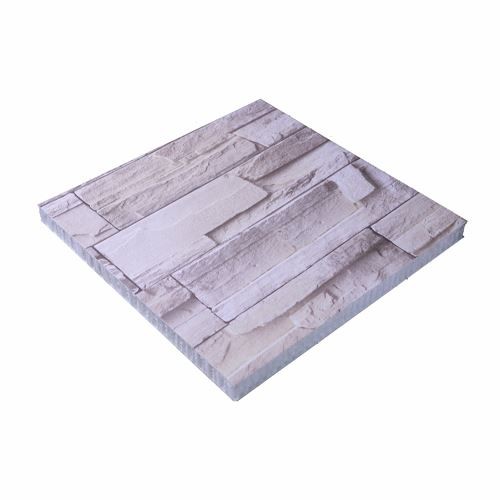
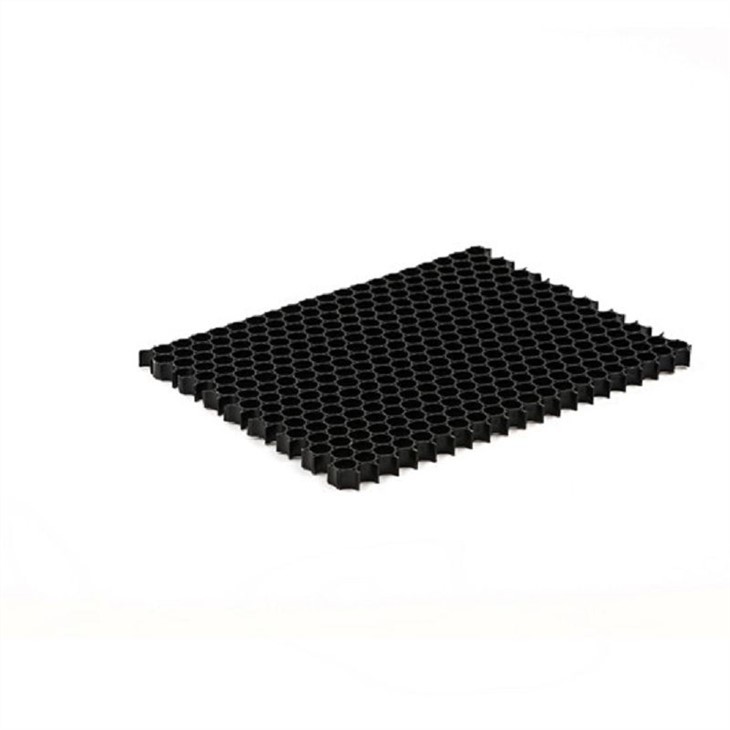
Now, let's talk about installation. One of the big advantages of honeycomb building panels is that they're generally easier to install compared to some traditional building materials. For starters, they're lightweight. This means that moving them around on the construction site is a breeze. You don't need heavy machinery to lift and position them, which can save a lot of time and money. A small team of workers can handle the panels without breaking a sweat, unlike some bulky materials that require cranes and specialized equipment.
Another plus is that honeycomb building panels often come pre - fabricated. This means they're made to specific sizes and shapes in the factory, so when they arrive at the construction site, they're ready to be installed. There's less on - site cutting and measuring required. You just need to follow the installation instructions, which are usually pretty straightforward. For example, many honeycomb panels can be easily joined together using simple mechanical fasteners or adhesives. It's like putting together a big puzzle, but a lot less complicated.
In terms of wall installation, honeycomb building panels can be quickly attached to the framing. The lightweight nature of the panels means that they don't put a lot of stress on the underlying structure. This reduces the risk of damage to the framing during installation. And because they're so rigid, they maintain their shape well, making it easier to achieve a smooth and even finish on the walls.
When it comes to roofing, honeycomb panels also shine. They can be laid down quickly, providing a stable base for the roofing materials. Their insulation properties also mean that you might not need to add extra insulation layers, which can further simplify the installation process.
However, it's not all sunshine and rainbows. There are a few things to watch out for when installing honeycomb building panels. One potential issue is that they can be sensitive to improper handling. If they're dropped or banged around too much, the outer layers or the core can get damaged. This means that during transportation and on - site storage, you need to take extra care. But if you handle them properly, this isn't really a big problem.
Also, while the installation instructions are usually clear, it's important to have a basic understanding of construction techniques. For example, if you're using adhesives to join the panels, you need to make sure the surfaces are clean and dry. Applying the adhesive evenly is crucial for a strong bond. And if you're using mechanical fasteners, you need to drill the holes at the right places and use the correct size of fasteners.
Compared to other building materials, how do honeycomb building panels really stack up? Let's take concrete blocks as an example. Concrete blocks are heavy and require a lot of labor to move and install. You need to mix mortar, lay the blocks one by one, and constantly check for level and alignment. It's a time - consuming process, and any mistakes can be costly to correct. In contrast, honeycomb building panels can be installed much faster, with fewer chances of errors.
Wooden panels are another option. While they're also relatively easy to install, honeycomb building panels have better durability and insulation. Wooden panels can be prone to rot, termite damage, and warping over time. Honeycomb panels, on the other hand, are more resistant to these issues, which means less maintenance in the long run.
In conclusion, honeycomb building panels offer a great balance between ease of installation and performance. Their lightweight, pre - fabricated nature makes them a top choice for many construction projects. Whether you're building a small residential home or a large commercial building, honeycomb panels can simplify the installation process and save you time and money.
If you're interested in using honeycomb building panels for your next project, I'd love to have a chat with you. We can discuss your specific needs, and I can provide you with more information about our products. Don't hesitate to reach out and start the conversation about how honeycomb building panels can work for you.
References
- Industry research on building materials installation efficiency
- Manufacturer's installation guides for honeycomb building panels