

Can honeycomb composite boards be used in aerospace applications?
As a seasoned supplier of Honeycomb Composite Boards, I've often been asked about the feasibility of using these boards in aerospace applications. This is a topic that combines the cutting - edge technology of aerospace engineering with the innovative properties of honeycomb composite materials. In this blog, I'll delve into the technical aspects, advantages, challenges, and real - world applications of honeycomb composite boards in the aerospace industry.
Technical Overview of Honeycomb Composite Boards
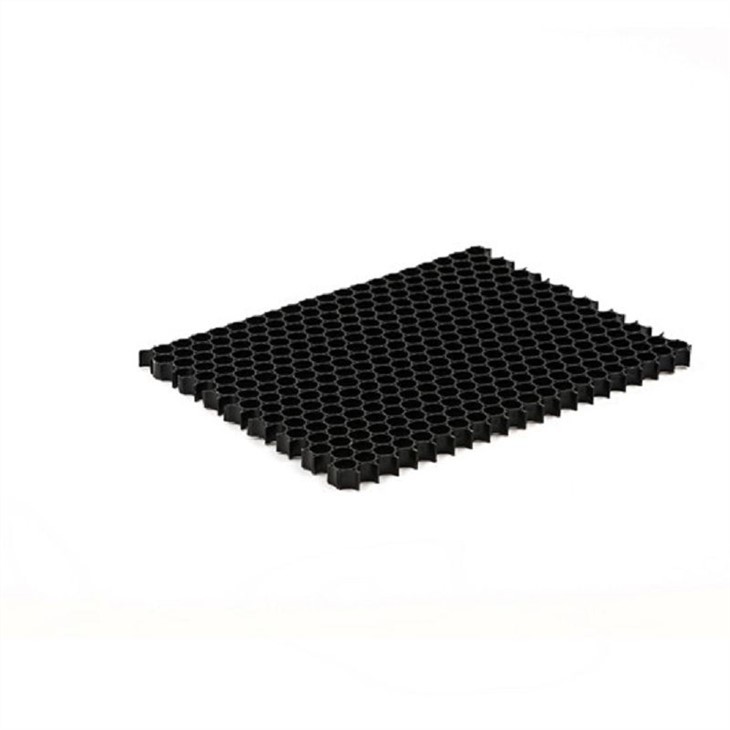
Honeycomb composite boards are made up of a honeycomb core sandwiched between two face sheets. The honeycomb core, which can be made from various materials such as aluminum, aramid paper, or Thermoplastic Honeycomb Core, provides a lightweight yet strong structure. The face sheets, on the other hand, can be composed of materials like carbon fiber, fiberglass, or metal, depending on the specific requirements of the application.
The honeycomb structure offers several unique mechanical properties. Its hexagonal shape distributes stress evenly across the board, making it highly resistant to bending and shear forces. This property is crucial in aerospace applications, where components need to withstand extreme forces during flight, including take - off, landing, and maneuvers.
Advantages of Honeycomb Composite Boards in Aerospace
- Lightweight: One of the most significant advantages of honeycomb composite boards in aerospace is their low weight. In the aerospace industry, every gram matters as reducing weight directly translates to lower fuel consumption and increased payload capacity. Honeycomb composite boards are much lighter than traditional solid materials with similar strength characteristics. For example, an aluminum honeycomb core with carbon fiber face sheets can achieve a high strength - to - weight ratio, making it an ideal choice for aircraft components such as wings, fuselage panels, and tail sections.
- High Strength: Despite their low weight, honeycomb composite boards possess excellent strength. The combination of the honeycomb core and the face sheets creates a structure that can withstand high levels of stress. This strength is essential for ensuring the safety and reliability of aerospace vehicles, especially when they are exposed to harsh environmental conditions and mechanical loads.
- Good Thermal and Acoustic Insulation: Honeycomb composite boards can provide effective thermal and acoustic insulation. In aerospace, thermal insulation is crucial to protect sensitive electronic components from extreme temperature variations, while acoustic insulation helps reduce noise levels inside the aircraft cabin, enhancing passenger comfort.
- Design Flexibility: These boards offer great design flexibility. They can be easily molded into complex shapes to meet the specific design requirements of aerospace components. This allows for more aerodynamic and efficient designs, which are essential for improving the performance of aircraft and spacecraft.
Challenges in Using Honeycomb Composite Boards in Aerospace
- Manufacturing Complexity: The manufacturing process of honeycomb composite boards for aerospace applications is complex and requires high - precision techniques. Ensuring the quality and consistency of the boards is a challenge, as any defects in the honeycomb core or the bonding between the core and the face sheets can significantly affect the performance of the component.
- Cost: The production of high - quality honeycomb composite boards for aerospace is expensive. The raw materials, such as carbon fiber and advanced honeycomb cores, are costly, and the manufacturing process also involves significant labor and equipment costs. This can make the initial investment in using honeycomb composite boards relatively high.
- Repair and Maintenance: Repairing and maintaining honeycomb composite components in aerospace can be challenging. Unlike traditional metal components, which can often be easily welded or replaced, honeycomb composite components require specialized repair techniques and materials. This can increase the downtime and cost of maintenance.
Real - World Applications of Honeycomb Composite Boards in Aerospace
- Aircraft Interiors: Honeycomb composite boards are widely used in aircraft interiors, including cabin partitions, galley units, and overhead storage bins. Their lightweight and high - strength properties make them ideal for these applications, as they help reduce the overall weight of the aircraft while providing a durable and aesthetically pleasing interior.
- Wing and Fuselage Panels: In modern aircraft, honeycomb composite boards are increasingly being used in wing and fuselage panels. The use of these boards in these critical components helps improve the aerodynamic performance of the aircraft and reduces its weight, leading to better fuel efficiency and longer flight ranges.
- Satellites and Spacecraft: In the space industry, honeycomb composite boards are used in satellites and spacecraft. Their lightweight and high - strength properties are crucial for space applications, where minimizing weight is essential for reducing launch costs and extending the operational lifetime of the spacecraft. For example, honeycomb composite panels can be used in the structural framework of satellites to support various payloads and equipment.
Future Outlook
The future of honeycomb composite boards in aerospace looks promising. With ongoing research and development, new materials and manufacturing techniques are being developed to address the challenges associated with these boards. For example, the use of Thermoplastic Honeycomb Core is becoming more popular as it offers better recyclability and ease of processing compared to traditional materials.
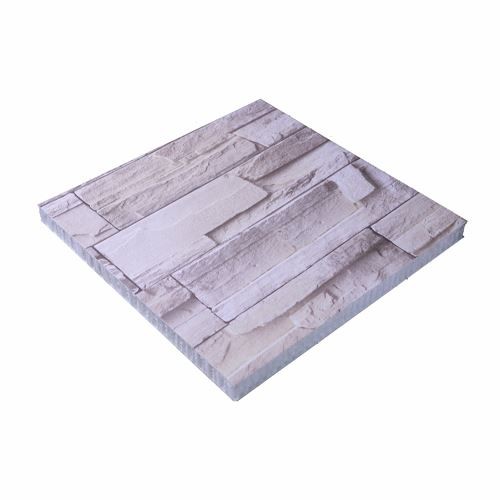
In addition, as the demand for more fuel - efficient and environmentally friendly aircraft and spacecraft continues to grow, the use of honeycomb composite boards is likely to increase. These boards will play a crucial role in the development of next - generation aerospace vehicles, enabling them to achieve higher performance and lower environmental impact.
Conclusion
In conclusion, honeycomb composite boards have significant potential for use in aerospace applications. Their lightweight, high - strength, thermal and acoustic insulation properties, and design flexibility make them an attractive option for various aerospace components. However, challenges such as manufacturing complexity, cost, and repair and maintenance need to be addressed.
As a supplier of Honeycomb Composite Boards, I am committed to providing high - quality products that meet the strict requirements of the aerospace industry. If you are interested in exploring the use of honeycomb composite boards for your aerospace projects, I encourage you to contact me for further discussion and to start the procurement process. We can work together to find the best solutions for your specific needs.
References
- Gibson, L. J., & Ashby, M. F. (1997). Cellular Solids: Structure and Properties. Cambridge University Press.
- Mallick, P. K. (2007). Fiber - Reinforced Composites: Materials, Manufacturing, and Design. CRC Press.
- "Aerospace Composite Materials Market - Global Industry Analysis, Size, Share, Growth, Trends, and Forecast 2021 - 2026." MarketsandMarkets.