

Earthquakes are among the most devastating natural disasters, causing significant damage to infrastructure and endangering lives. In earthquake - prone areas, the construction industry is constantly on the lookout for building materials that can withstand seismic forces. As a supplier of Honeycomb Building Panels, I am excited to share how these innovative panels perform in such challenging environments.
Understanding Honeycomb Building Panels
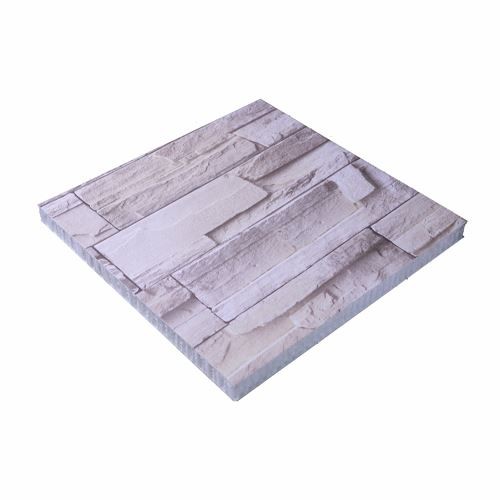
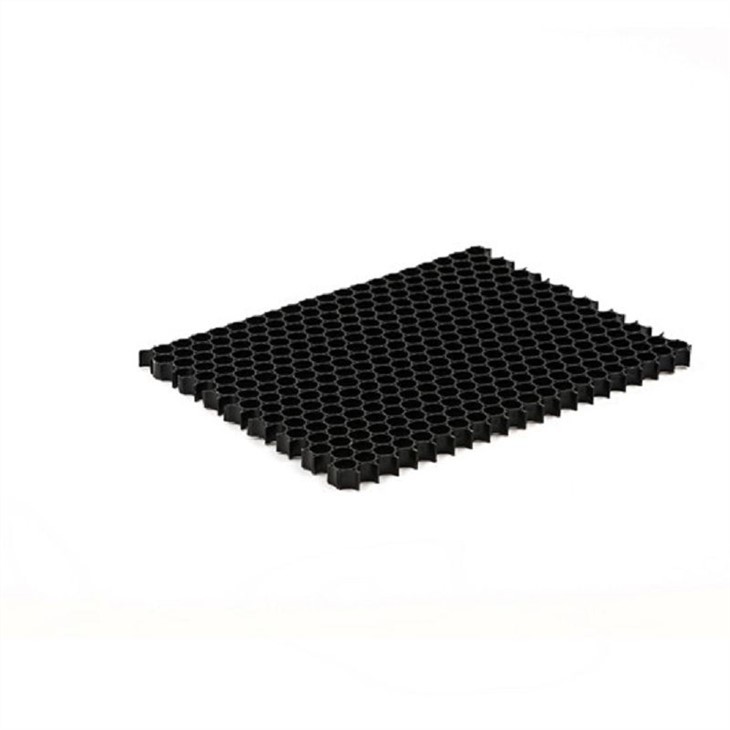
Honeycomb building panels are a revolutionary construction material that combines light weight with high strength. These panels consist of a honeycomb - structured core, typically made from materials like thermoplastic, sandwiched between two outer layers. The honeycomb design provides a large surface area for load distribution while minimizing the amount of material used, resulting in a panel that is both strong and lightweight. You can learn more about these panels at Honeycomb - building - panels.
The Thermoplastic Honeycomb Core is a key component of these panels. Thermoplastics offer several advantages, including high impact resistance, chemical resistance, and recyclability. The honeycomb structure of the core is inspired by nature, where honeybees create hexagonal cells to store honey and raise their young. This natural design has proven to be incredibly efficient in distributing loads evenly, making it an ideal choice for building panels.
Performance in Earthquake - Prone Areas
Lightweight Nature
One of the primary benefits of honeycomb building panels in earthquake - prone areas is their lightweight nature. Traditional building materials such as concrete and brick are heavy, which means they exert more force on the building's foundation during an earthquake. In contrast, honeycomb building panels reduce the overall weight of the structure, minimizing the seismic forces acting on it. This reduction in weight can significantly improve the building's ability to withstand an earthquake without collapsing.
For example, in a multi - story building constructed with honeycomb building panels, the lower floors will experience less stress compared to a building made of heavier materials. This is because the lighter panels do not generate as much inertia during an earthquake, reducing the risk of structural failure.
High Strength - to - Weight Ratio
Honeycomb building panels have an excellent strength - to - weight ratio. The honeycomb core provides a rigid structure that can resist bending and shearing forces, while the outer layers add additional strength and protection. This combination allows the panels to withstand significant seismic forces without deforming or breaking.
During an earthquake, the ground shakes in multiple directions, subjecting buildings to complex loading conditions. Honeycomb building panels are designed to distribute these forces evenly across the panel's surface, preventing localized stress concentrations that could lead to failure. The high strength - to - weight ratio of these panels also means that they can be used to construct large - span structures, such as bridges and industrial buildings, which are particularly vulnerable to seismic activity.
Energy Absorption
Another important factor in earthquake resistance is the ability of a building material to absorb energy. Honeycomb building panels have the ability to absorb and dissipate seismic energy through a combination of elastic deformation and internal friction. When an earthquake occurs, the panels flex and bend, converting the kinetic energy of the seismic waves into internal energy within the panel.
This energy absorption mechanism helps to reduce the amount of energy transferred to the building's structure, protecting it from damage. In addition, the honeycomb core's cellular structure provides multiple paths for energy dissipation, further enhancing the panel's ability to absorb seismic energy.
Flexibility and Adaptability
Honeycomb building panels offer a degree of flexibility that is beneficial in earthquake - prone areas. Unlike rigid building materials, which can crack and break under seismic stress, honeycomb panels can bend and flex to some extent without losing their structural integrity. This flexibility allows the panels to adapt to the ground movement during an earthquake, reducing the risk of structural damage.
Moreover, honeycomb building panels can be easily customized to fit different building designs and requirements. They can be cut, shaped, and joined together to create complex structures, making them a versatile choice for construction in earthquake - prone areas.
Case Studies
There have been several case studies that demonstrate the effectiveness of honeycomb building panels in earthquake - prone areas. In Japan, a country known for its high seismic activity, a number of buildings have been constructed using honeycomb building panels. These buildings have withstood multiple earthquakes with minimal damage, thanks to the panels' lightweight, high strength, and energy - absorbing properties.
In one particular case, a residential building in Tokyo was retrofitted with honeycomb building panels. Prior to the retrofit, the building was at risk of collapse during a major earthquake. After the installation of the panels, the building's seismic resistance was significantly improved. During a subsequent earthquake, the building remained standing, and the occupants were safe.
Cost - Effectiveness
In addition to their excellent performance in earthquake - prone areas, honeycomb building panels are also cost - effective. The lightweight nature of the panels reduces transportation costs, as they are easier and cheaper to move compared to heavy building materials. The installation process is also faster and more efficient, reducing labor costs.
Furthermore, the long - term cost savings associated with honeycomb building panels are significant. Their durability and resistance to seismic damage mean that buildings constructed with these panels require less maintenance and repair over their lifespan. This can result in substantial savings for building owners in earthquake - prone areas.
Applications in Earthquake - Prone Areas
Honeycomb building panels can be used in a wide range of applications in earthquake - prone areas. They are suitable for both residential and commercial buildings, as well as infrastructure projects such as bridges and tunnels.
In residential construction, honeycomb building panels can be used to build single - family homes, apartments, and townhouses. Their lightweight and customizable nature make them an ideal choice for constructing energy - efficient and earthquake - resistant homes.
In commercial construction, honeycomb building panels can be used to build office buildings, shopping malls, and industrial facilities. These panels can help to reduce construction costs while providing a high - quality, earthquake - resistant structure.
Conclusion
As a supplier of honeycomb building panels, I am confident in the performance of these innovative materials in earthquake - prone areas. Their lightweight nature, high strength - to - weight ratio, energy absorption capabilities, and flexibility make them an excellent choice for construction in regions at risk of seismic activity.
If you are involved in a construction project in an earthquake - prone area, I encourage you to consider honeycomb building panels. Our team of experts is ready to assist you in selecting the right panels for your project and providing you with all the necessary technical support. Contact us today to start a discussion about your procurement needs and explore how honeycomb building panels can enhance the seismic resistance of your next building.
References
- "Seismic Design of Buildings", National Earthquake Hazards Reduction Program (NEHRP)
- "Advanced Building Materials", CRC Press
- "Earthquake Engineering Handbook", McGraw - Hill Education