

As a seasoned supplier of Honeycomb Composite Boards, I often encounter questions from clients about various technical aspects of our products. One question that comes up frequently is, "What is the peel strength of honeycomb composite boards?" In this blog post, I'll delve into the concept of peel strength, its significance in honeycomb composite boards, and how it impacts the performance and applications of these boards.
Understanding Peel Strength
Peel strength is a measure of the force required to separate two bonded materials at their interface. In the context of honeycomb composite boards, it refers to the force needed to peel the face sheets from the honeycomb core. This property is crucial because it determines the integrity and durability of the composite structure. A high peel strength indicates a strong bond between the face sheets and the core, which is essential for maintaining the structural stability of the board under various conditions.
The peel strength of honeycomb composite boards is influenced by several factors, including the type of adhesive used, the surface preparation of the materials, the manufacturing process, and the environmental conditions. Let's take a closer look at each of these factors.
Factors Affecting Peel Strength
Adhesive Selection
The choice of adhesive plays a vital role in determining the peel strength of honeycomb composite boards. Different adhesives have different bonding strengths, chemical resistances, and curing times. For example, epoxy adhesives are known for their high strength and excellent chemical resistance, making them a popular choice for applications where a strong bond is required. On the other hand, polyurethane adhesives offer good flexibility and impact resistance, which can be beneficial in applications where the board may be subjected to dynamic loads.
At our company, we carefully select adhesives based on the specific requirements of each project. We work closely with adhesive manufacturers to ensure that we are using the most suitable adhesive for our honeycomb composite boards. This not only ensures high peel strength but also enhances the overall performance and durability of our products.
Surface Preparation
Proper surface preparation is essential for achieving a strong bond between the face sheets and the honeycomb core. The surfaces of the materials must be clean, dry, and free from any contaminants such as oil, grease, or dust. Any impurities on the surface can reduce the adhesion strength and lead to poor peel strength.
We use advanced surface treatment techniques to ensure that the surfaces of our honeycomb cores and face sheets are properly prepared before bonding. This may include sanding, degreasing, and applying a primer to improve the adhesion between the materials. By paying close attention to surface preparation, we can achieve consistent and reliable peel strength in our honeycomb composite boards.
Manufacturing Process
The manufacturing process also has a significant impact on the peel strength of honeycomb composite boards. The bonding process must be carefully controlled to ensure that the adhesive is evenly distributed and that the face sheets are properly bonded to the core. Factors such as temperature, pressure, and curing time can all affect the quality of the bond and, consequently, the peel strength.
At our state-of-the-art manufacturing facility, we use advanced bonding techniques and equipment to ensure that our honeycomb composite boards are manufactured to the highest standards. We have strict quality control measures in place to monitor every step of the manufacturing process, from material selection to final inspection. This allows us to produce honeycomb composite boards with consistent and high peel strength.
Environmental Conditions
The environmental conditions in which the honeycomb composite boards are used can also affect their peel strength. Exposure to high temperatures, humidity, and chemicals can all degrade the adhesive bond and reduce the peel strength over time. Therefore, it is important to consider the environmental conditions when selecting honeycomb composite boards for a particular application.
We offer a range of honeycomb composite boards that are designed to withstand different environmental conditions. For example, our Thermoplastic Honeycomb Core is highly resistant to moisture and chemicals, making it suitable for applications in harsh environments. Our Honeycomb-building-panels are also engineered to provide excellent performance in a variety of weather conditions.
Importance of Peel Strength in Honeycomb Composite Boards
The peel strength of honeycomb composite boards is crucial for several reasons. Firstly, it ensures the structural integrity of the board. A strong bond between the face sheets and the core prevents delamination, which can compromise the strength and stability of the board. This is particularly important in applications where the board is subjected to high loads or stresses, such as in aerospace, automotive, and construction industries.
Secondly, peel strength affects the durability of the honeycomb composite boards. A high peel strength means that the board is less likely to fail under normal use, which can extend its service life and reduce maintenance costs. This is especially important in applications where the board is exposed to harsh environmental conditions or frequent use.
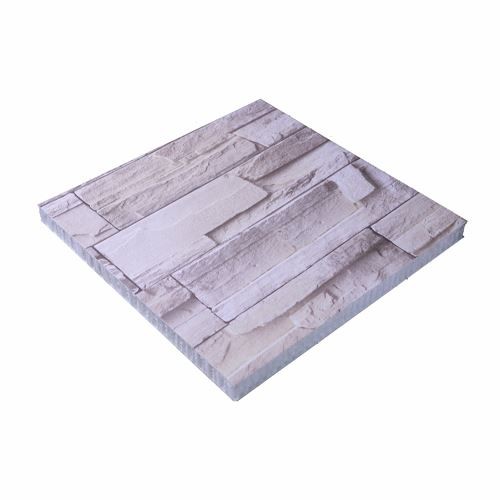
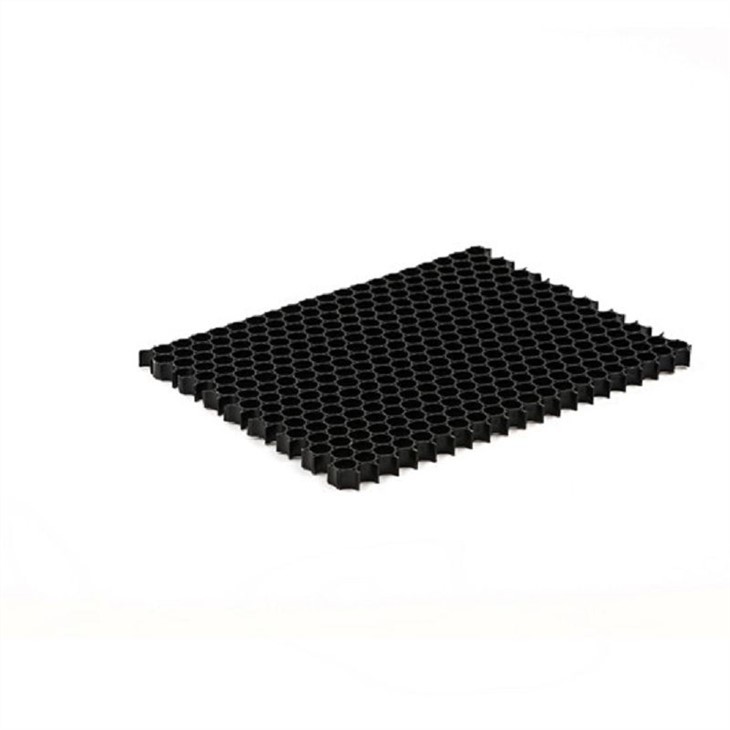
Finally, peel strength can impact the performance of the honeycomb composite boards in specific applications. For example, in sandwich panels used in sound insulation applications, a strong bond between the face sheets and the core can improve the acoustic performance of the panel by reducing the transmission of sound waves through the interface.
Testing Peel Strength
To ensure that our honeycomb composite boards meet the highest quality standards, we conduct rigorous peel strength testing. There are several methods for testing peel strength, including the T-peel test, the 90-degree peel test, and the 180-degree peel test. These tests involve applying a controlled force to separate the face sheets from the core and measuring the force required to do so.
We follow international standards and industry best practices when conducting peel strength testing. Our testing equipment is calibrated regularly to ensure accurate and reliable results. By testing our honeycomb composite boards, we can verify their peel strength and ensure that they meet the specific requirements of our clients.
Applications of Honeycomb Composite Boards with High Peel Strength
Honeycomb composite boards with high peel strength are used in a wide range of applications across various industries. Here are some examples:
Aerospace Industry
In the aerospace industry, honeycomb composite boards are used in aircraft interiors, wings, and fuselages. The high peel strength of these boards is essential for ensuring the structural integrity and safety of the aircraft. The strong bond between the face sheets and the core allows the boards to withstand the high stresses and vibrations experienced during flight.
Automotive Industry
In the automotive industry, honeycomb composite boards are used in car bodies, doors, and floors. The high peel strength of these boards helps to reduce weight while maintaining the structural strength of the vehicle. This can improve fuel efficiency and performance.
Construction Industry
In the construction industry, honeycomb composite boards are used in building facades, partitions, and roofing. The high peel strength of these boards ensures that they can withstand the environmental conditions and loads experienced in a building. They also offer excellent insulation properties, which can help to reduce energy consumption.
Conclusion
In conclusion, the peel strength of honeycomb composite boards is a critical property that determines their performance, durability, and suitability for various applications. As a leading supplier of honeycomb composite boards, we understand the importance of peel strength and take every measure to ensure that our products meet the highest quality standards.
If you are interested in learning more about our honeycomb composite boards or have specific requirements for your project, we encourage you to contact us. Our team of experts will be happy to assist you in selecting the right product for your needs and provide you with all the information you need. Whether you are in the aerospace, automotive, construction, or any other industry, we have the expertise and experience to provide you with high-quality honeycomb composite boards with excellent peel strength.
References
- ASTM D1876 - Standard Test Method for Peel Resistance of Adhesives (T-Peel Test).
- ISO 8510-1 - Adhesives - Peel test for a flexible-bonded-to-rigid test specimen assembly - Part 1: 90° peel.
- ISO 8510-2 - Adhesives - Peel test for a flexible-bonded-to-rigid test specimen assembly - Part 2: 180° peel.