

Yo, what's up everyone! I'm a supplier of PP honeycomb panels, and today I wanna chat about whether these panels have good insulation properties. It's a question I get asked a lot, so let's dig in and find out.
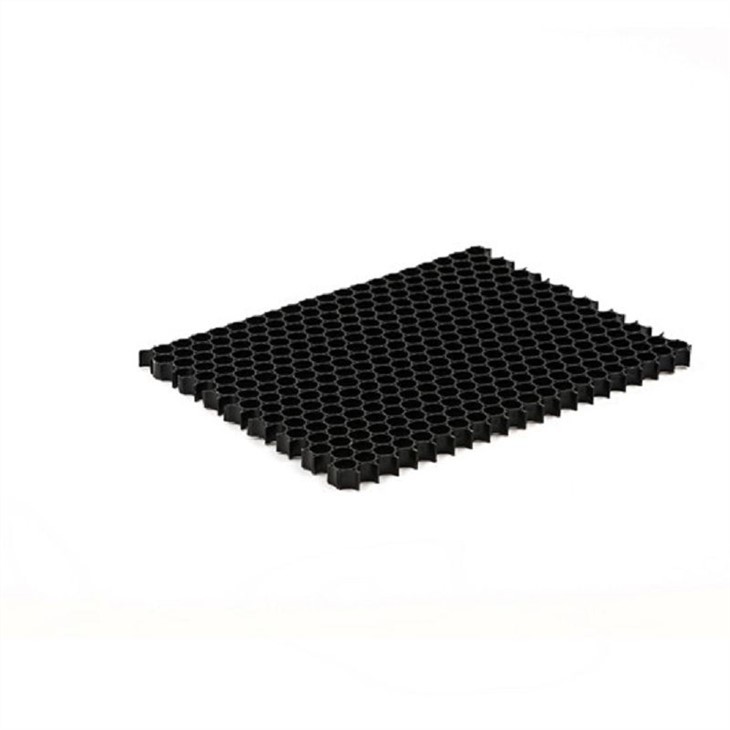
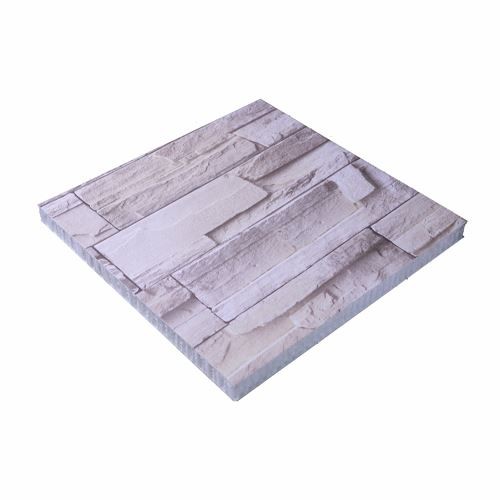
First off, let's talk a bit about what PP honeycomb panels are. PP stands for polypropylene, which is a thermoplastic polymer. These panels are made up of a honeycomb structure sandwiched between two flat sheets. The honeycomb design gives the panels a high strength-to-weight ratio, making them lightweight yet sturdy. They're used in a variety of applications, from construction to automotive, and even in the aerospace industry.
Now, let's get to the main question: do PP honeycomb panels have good insulation properties? Well, the answer is yes, they do! And here's why.
One of the key factors that determine a material's insulation properties is its thermal conductivity. Thermal conductivity is a measure of how well a material conducts heat. The lower the thermal conductivity, the better the insulation. PP honeycomb panels have a relatively low thermal conductivity compared to many other materials. This is because the honeycomb structure creates a lot of small air pockets. Air is a poor conductor of heat, so these air pockets act as insulators, reducing the transfer of heat through the panel.
Another reason why PP honeycomb panels are good insulators is their closed-cell structure. The honeycomb cells are sealed off from each other, which prevents air from flowing freely through the panel. This reduces convection, which is another way that heat can be transferred. When air can't move around easily, it's harder for heat to travel through the material.
In addition to their thermal insulation properties, PP honeycomb panels also offer good acoustic insulation. Sound waves are absorbed and dissipated by the honeycomb structure, reducing the amount of noise that can pass through the panel. This makes them a great choice for applications where noise reduction is important, such as in buildings or vehicles.
Now, let's take a look at some real-world examples of how PP honeycomb panels are used for insulation. In the construction industry, they're often used as wall and roof panels. The insulation properties of the panels help to keep buildings warm in the winter and cool in the summer, reducing energy consumption and saving on heating and cooling costs. They're also used in the automotive industry to insulate the interior of cars, trucks, and buses. This helps to reduce noise and vibration, making for a more comfortable ride.
If you're interested in learning more about the different types of PP honeycomb panels available, you can check out our Honeycomb-building-panels page. It has all the details on the panels we offer for construction applications. And if you're curious about the thermoplastic honeycomb core technology behind these panels, head over to our Thermoplastic Honeycomb Core page.
So, there you have it. PP honeycomb panels definitely have good insulation properties. They're lightweight, strong, and offer both thermal and acoustic insulation. Whether you're building a new home, designing a vehicle, or working on an aerospace project, these panels are a great choice.
If you're in the market for PP honeycomb panels and want to discuss your specific needs, I'd love to hear from you. Just reach out, and we can have a chat about how our panels can meet your requirements. Let's work together to find the perfect solution for your project.
References
- "Thermal Insulation Materials and Systems" - A general resource on insulation materials and their properties.
- "Acoustic Insulation in Buildings" - A study on the use of materials for noise reduction in construction.