

Do honeycomb building panels meet building codes?
As a supplier of Honeycomb Building Panels, I often encounter questions from customers regarding whether our products meet building codes. This is a crucial concern, as compliance with building codes is not only a legal requirement but also a guarantee of the safety and quality of construction projects. In this blog post, I will delve into the details of how honeycomb building panels fare in meeting building codes.
Understanding Building Codes
Building codes are a set of regulations established by local, state, and national authorities to ensure the safety, health, and welfare of building occupants. These codes cover a wide range of aspects, including structural integrity, fire safety, energy efficiency, and environmental impact. Compliance with building codes is mandatory for all construction projects, and failure to meet these requirements can result in serious consequences, such as fines, delays, and even legal liability.
The Advantages of Honeycomb Building Panels
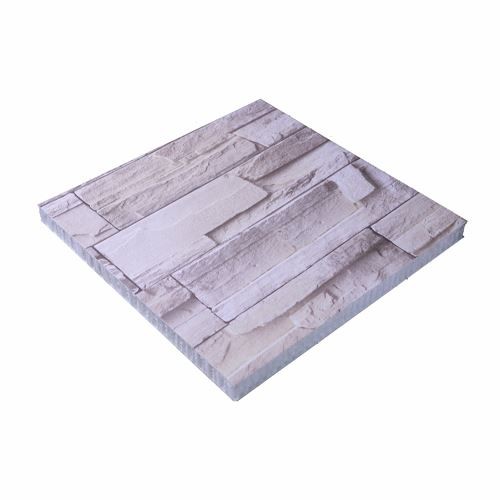
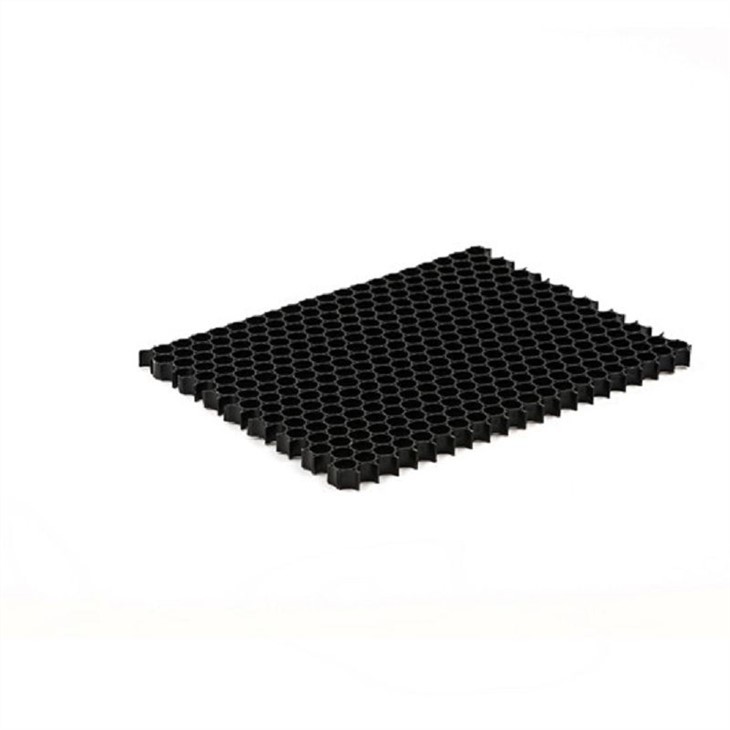
Honeycomb building panels offer several advantages that make them a popular choice in the construction industry. These panels consist of a honeycomb core sandwiched between two outer layers, typically made of materials such as aluminum, fiberglass, or wood. The honeycomb structure provides excellent strength-to-weight ratio, making the panels lightweight yet sturdy. This not only reduces the overall weight of the building but also simplifies the installation process.
In addition to their structural benefits, honeycomb building panels also offer excellent insulation properties. The air pockets within the honeycomb core act as a barrier to heat transfer, helping to reduce energy consumption and lower heating and cooling costs. This makes them an environmentally friendly choice that can contribute to the sustainability of a building.
Meeting Structural Requirements
One of the primary concerns when it comes to building codes is the structural integrity of the building materials. Honeycomb building panels are designed to meet or exceed the structural requirements set by building codes. The honeycomb core provides a high level of stiffness and strength, allowing the panels to withstand significant loads without deformation.
The outer layers of the panels also play a crucial role in ensuring structural integrity. Depending on the application, these layers can be made of materials with high strength and durability, such as aluminum or fiberglass. These materials are capable of withstanding extreme weather conditions, seismic activity, and other external forces, ensuring the long-term stability of the building.
Fire Safety Compliance
Fire safety is another critical aspect of building codes. Honeycomb building panels can be engineered to meet strict fire safety standards. The materials used in the construction of the panels can be selected for their fire-resistant properties, and additional fire protection measures can be incorporated into the design.
For example, some honeycomb building panels are treated with fire retardant chemicals to reduce their flammability. Others are designed with a fire-resistant core that can prevent the spread of fire and smoke in the event of a fire. By meeting these fire safety requirements, honeycomb building panels can help to protect the lives and property of building occupants.
Energy Efficiency and Environmental Impact
Building codes often include requirements for energy efficiency and environmental sustainability. Honeycomb building panels are well-suited to meet these requirements. As mentioned earlier, the insulation properties of the honeycomb core help to reduce energy consumption, making the building more energy-efficient.
In addition, honeycomb building panels can be made from recycled materials, reducing the environmental impact of the construction process. The lightweight nature of the panels also means that less energy is required for transportation and installation, further contributing to their sustainability.
Testing and Certification
To ensure that honeycomb building panels meet building codes, they undergo rigorous testing and certification processes. These tests are conducted by independent third-party laboratories to verify the performance of the panels in various areas, such as structural strength, fire resistance, and energy efficiency.
Once a honeycomb building panel has passed these tests, it is issued a certification that indicates its compliance with the relevant building codes. This certification provides assurance to architects, contractors, and building owners that the panels meet the necessary standards and can be used safely in construction projects.
Our Company's Commitment to Quality and Compliance
As a supplier of Honeycomb Building Panels, we are committed to providing our customers with high-quality products that meet or exceed building codes. We work closely with independent testing laboratories to ensure that our panels are thoroughly tested and certified.
We also stay up-to-date with the latest building codes and regulations to ensure that our products are always in compliance. Our team of experts is available to provide technical support and guidance to our customers, helping them to select the right honeycomb building panels for their specific applications.
Conclusion
In conclusion, honeycomb building panels are well-suited to meet building codes. Their structural strength, fire safety properties, energy efficiency, and environmental sustainability make them a viable option for a wide range of construction projects. By choosing honeycomb building panels from a reputable supplier, you can ensure that your building meets the necessary safety and quality standards.
If you are interested in learning more about our Honeycomb Building Panels or have any questions regarding their compliance with building codes, please do not hesitate to contact us. We would be happy to discuss your specific requirements and provide you with a customized solution.
Whether you are an architect, contractor, or building owner, we invite you to explore the benefits of Honeycomb-building-panels and Thermoplastic Honeycomb Core for your next construction project. Contact us today to start the conversation and take the first step towards a safer, more energy-efficient, and sustainable building.
References
- International Building Code (IBC)
- National Fire Protection Association (NFPA) Standards
- ASTM International Standards