

Can PP Honeycomb Core be used in furniture manufacturing?
As a supplier of PP honeycomb core, I've often been asked whether this material is suitable for furniture manufacturing. In this blog post, I'll delve into the properties of PP honeycomb core, explore its potential applications in the furniture industry, and discuss the advantages and challenges associated with its use.
Understanding PP Honeycomb Core
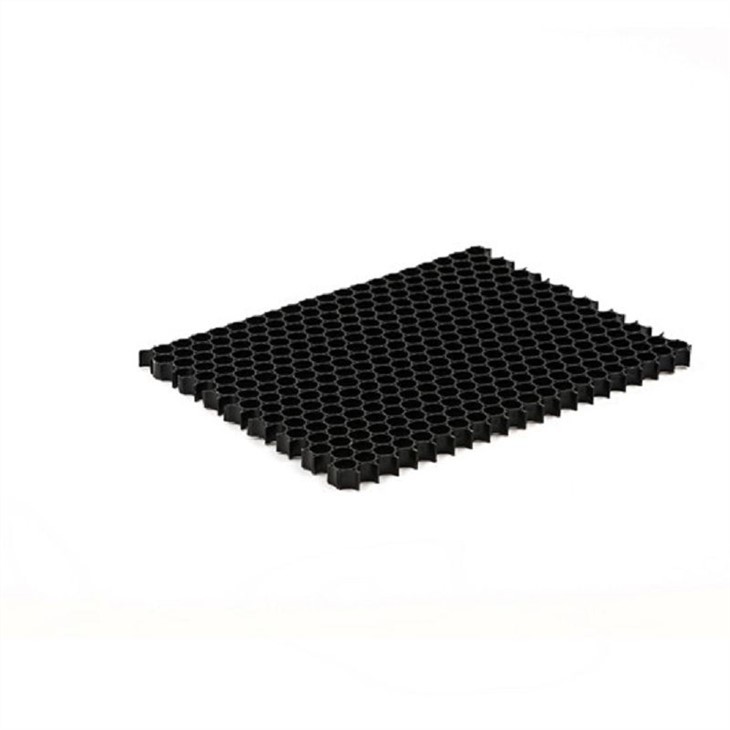
PP honeycomb core is made from polypropylene (PP), a thermoplastic polymer known for its excellent chemical resistance, high strength-to-weight ratio, and good impact resistance. The honeycomb structure is created by bonding multiple layers of PP sheets together, forming a series of hexagonal cells. This unique structure gives the material its characteristic lightweight yet strong properties.
The Thermoplastic Honeycomb Core variant offers additional benefits, such as recyclability and ease of processing. It can be easily cut, shaped, and joined using common woodworking tools, making it a versatile option for various applications.
Advantages of Using PP Honeycomb Core in Furniture Manufacturing
Lightweight and Strong
One of the most significant advantages of PP honeycomb core is its high strength-to-weight ratio. Furniture made with this material is much lighter than traditional wood or metal furniture, making it easier to move and transport. Despite its lightweight nature, PP honeycomb core can still support significant loads, making it suitable for a wide range of furniture types, from chairs and tables to cabinets and shelves.
Moisture and Chemical Resistance
PP is inherently resistant to moisture and chemicals, making it an ideal choice for furniture that will be exposed to harsh environments. For example, in kitchens and bathrooms, where furniture is often exposed to water and cleaning agents, PP honeycomb core can prevent warping, rotting, and corrosion. This durability ensures that the furniture will maintain its appearance and functionality over time.
Design Flexibility
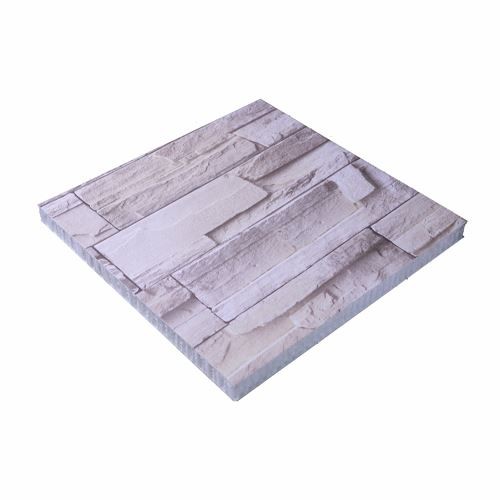
The Honeycomb-building-panels can be easily customized to meet specific design requirements. It can be cut into various shapes and sizes, and its smooth surface can be finished with a variety of materials, such as veneers, laminates, or paints. This allows furniture designers to create unique and innovative pieces that stand out in the market.
Environmental Friendliness
PP is a recyclable material, which means that furniture made with PP honeycomb core can be easily recycled at the end of its life cycle. This reduces the environmental impact of furniture manufacturing and disposal, making it a more sustainable choice for consumers.
Applications of PP Honeycomb Core in Furniture
Chairs and Seating
PP honeycomb core can be used to create lightweight and comfortable chairs. The honeycomb structure provides excellent support while reducing the overall weight of the chair. It can also be combined with other materials, such as foam padding and fabric upholstery, to enhance the comfort and aesthetics of the seating.
Tables and Desks
In table and desk manufacturing, PP honeycomb core can be used as the core material for the tabletop. Its strength and flatness ensure a stable surface for working or dining. Additionally, the lightweight nature of the material makes it easier to move and reposition the furniture as needed.
Cabinets and Shelving
PP honeycomb core is well-suited for cabinets and shelving units. Its moisture resistance makes it ideal for storing items in damp environments, such as basements or laundry rooms. The material's strength allows it to support heavy loads, making it suitable for storing books, tools, and other bulky items.
Challenges and Considerations
Cost
Compared to traditional furniture materials, such as wood and particleboard, PP honeycomb core can be more expensive. However, the long-term benefits, such as durability and low maintenance, may offset the initial cost. Additionally, as the demand for sustainable and lightweight furniture increases, the cost of PP honeycomb core is likely to become more competitive.
Surface Finish
While PP honeycomb core has a smooth surface, achieving a high-quality surface finish can be challenging. Specialized finishing techniques may be required to ensure that the furniture looks and feels professional. This may add to the overall cost and production time of the furniture.
Joining and Assembly
Joining PP honeycomb core to other materials can be more difficult than traditional materials. Special adhesives or mechanical fasteners may be required to ensure a strong and durable bond. Additionally, the assembly process may require more skill and precision to ensure that the furniture is properly aligned and stable.
Conclusion
In conclusion, PP honeycomb core has significant potential in furniture manufacturing. Its lightweight, strong, moisture-resistant, and environmentally friendly properties make it an attractive option for furniture designers and manufacturers. While there are some challenges associated with its use, such as cost and surface finishing, the benefits outweigh the drawbacks in many cases.
If you're interested in exploring the use of PP honeycomb core in your furniture manufacturing projects, I encourage you to contact me for more information. I can provide samples, technical specifications, and pricing details to help you make an informed decision. Let's work together to create innovative and sustainable furniture solutions using PP honeycomb core.
References
- "Polypropylene: Properties, Processing, and Applications" by John A. Manson and Leslie H. Sperling
- "Honeycomb Structures: Design, Manufacturing, and Applications" by David J. Ashby and Michael F. Ashby