

As a supplier of PP honeycomb core, I often get asked about its potential applications, especially in building facades. In this blog post, I'll delve into the properties of PP honeycomb core, explore its viability for building facades, and discuss the benefits and considerations associated with its use.
Understanding PP Honeycomb Core
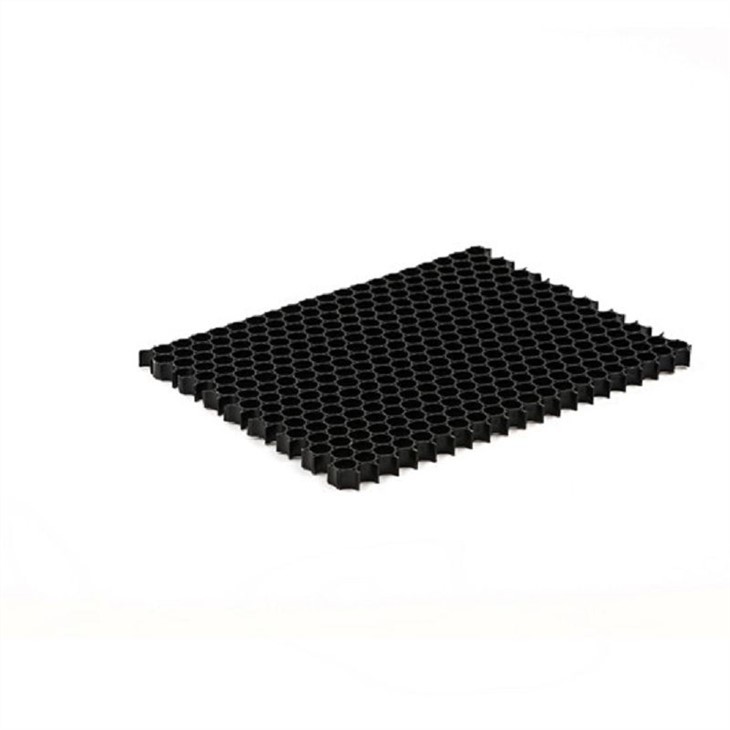
PP honeycomb core, made from polypropylene, is a lightweight and strong material with a honeycomb - like structure. This unique structure gives it several advantageous properties. It has a high strength - to - weight ratio, which means it can withstand significant loads while being relatively light. The honeycomb design also provides excellent insulation properties, both thermally and acoustically.
The Thermoplastic Honeycomb Core variant, which is a type of PP honeycomb core, is particularly interesting. It is made from thermoplastic materials, which offer the advantage of being recyclable. This aligns well with the growing trend towards sustainable building practices. Additionally, thermoplastic honeycomb cores can be easily molded and fabricated into different shapes, making them suitable for a variety of applications.
Suitability for Building Facades
Structural Integrity
Building facades need to be able to withstand various external forces such as wind loads, seismic activity, and the weight of any attached components. PP honeycomb core, with its high strength - to - weight ratio, can provide sufficient structural support. Its honeycomb structure distributes loads evenly, reducing the risk of local stress concentrations. This makes it a viable option for large - scale facades where weight is a concern, such as in high - rise buildings.
Insulation
Thermal insulation is a crucial aspect of building facades. A well - insulated facade can significantly reduce energy consumption by minimizing heat transfer between the interior and exterior of the building. PP honeycomb core has excellent thermal insulation properties due to the air pockets within its honeycomb structure. These air pockets act as insulators, slowing down the transfer of heat. This can lead to lower heating and cooling costs for the building occupants.
Acoustic insulation is also important, especially in urban areas or buildings located near noisy environments. The honeycomb structure of PP honeycomb core can absorb and dampen sound waves, reducing the amount of noise that enters the building.
Aesthetics and Design Flexibility
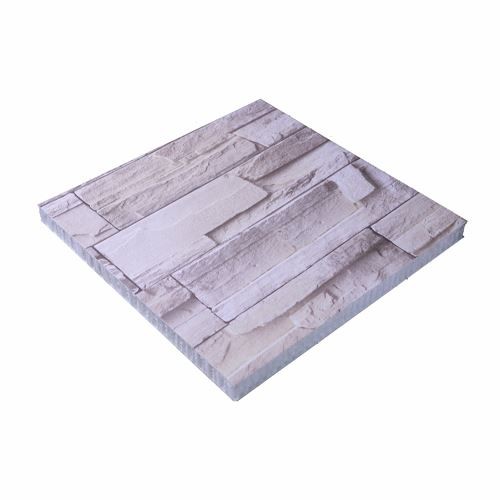
Building facades are not only functional but also play a significant role in the overall aesthetics of a building. PP honeycomb core can be used in combination with various facing materials such as metal, glass, or wood to create unique and visually appealing facades. The Honeycomb - building - panels made with PP honeycomb core can be customized in terms of size, shape, and color, allowing architects and designers to bring their creative visions to life.
Durability
PP honeycomb core is resistant to moisture, chemicals, and corrosion. This makes it suitable for use in building facades, which are exposed to the elements. It can withstand harsh weather conditions, including rain, snow, and UV radiation, without significant degradation. This durability ensures a long service life for the facade, reducing the need for frequent repairs and replacements.
Benefits of Using PP Honeycomb Core in Building Facades
Cost - Effectiveness
Compared to traditional building materials, PP honeycomb core can be more cost - effective. Its lightweight nature reduces transportation costs and makes installation easier and faster, which can save on labor costs. Additionally, its long service life and low maintenance requirements result in lower overall costs over the life of the building.
Sustainability
As mentioned earlier, PP honeycomb core is often made from recyclable thermoplastic materials. Using sustainable materials in building facades is becoming increasingly important as the construction industry aims to reduce its environmental impact. By choosing PP honeycomb core, building owners and developers can contribute to a more sustainable built environment.
Energy Efficiency
The thermal insulation properties of PP honeycomb core contribute to the energy efficiency of the building. Lower energy consumption not only reduces operating costs but also helps to reduce the building's carbon footprint. This is in line with the global push towards energy - efficient and green buildings.
Considerations
Fire Resistance
One of the main considerations when using PP honeycomb core in building facades is its fire resistance. Polypropylene is a flammable material, and special fire - retardant treatments may be required to meet building code requirements. It is essential to work with manufacturers who can provide fire - rated PP honeycomb core products or to apply appropriate fire - protection coatings.
Compatibility with Facing Materials
When using PP honeycomb core in combination with facing materials, it is important to ensure compatibility. The facing material should be able to bond well with the honeycomb core and should not cause any chemical reactions that could affect the performance of the facade. Additionally, the expansion and contraction rates of the facing material and the honeycomb core should be similar to prevent delamination or cracking over time.
Installation and Maintenance
Proper installation is crucial for the performance of the building facade. Installers need to be trained in handling PP honeycomb core and following the manufacturer's installation guidelines. Maintenance requirements should also be considered. While PP honeycomb core is generally low - maintenance, regular inspections may be necessary to ensure the integrity of the facade.
Conclusion
In conclusion, PP honeycomb core has significant potential for use in building facades. Its high strength - to - weight ratio, insulation properties, design flexibility, and cost - effectiveness make it an attractive option for architects, designers, and building owners. However, considerations such as fire resistance, compatibility with facing materials, and proper installation and maintenance need to be addressed.
If you are considering using PP honeycomb core in your next building facade project, I encourage you to reach out to us. As a supplier, we have the expertise and experience to provide you with high - quality PP honeycomb core products and technical support. Whether you have questions about product specifications, installation, or fire - resistance, our team is ready to assist you. Contact us to start a discussion about how PP honeycomb core can be incorporated into your building facade design and to explore the possibilities for your project.
References
- "Building Envelope Design and Construction" by Joseph Lstiburek
- "Sustainable Materials in Construction" by John Smith
- Industry reports on thermoplastic honeycomb core applications in construction.