

When it comes to safety and functionality in various environments, non - slip solutions are of utmost importance. In this blog, I'll share my insights as a Non Slip Honeycomb Panel supplier and compare non - slip honeycomb panels with rubber non - slip mats.
1. Structure and Material Composition
Non - slip honeycomb panels are typically made from high - strength polymers or composite materials. The honeycomb structure is a key feature, which consists of a series of hexagonal cells. This structure provides excellent strength - to - weight ratio. For example, the Honeycomb - building - panels are designed with a unique honeycomb core that offers both rigidity and lightness. The surface of non - slip honeycomb panels can be treated with special coatings or textures to enhance the non - slip property.
On the other hand, rubber non - slip mats are made primarily of rubber materials. Rubber is known for its elasticity and flexibility. The non - slip property of rubber mats usually comes from the surface texture, which can be in the form of small bumps, ridges, or grooves. Rubber mats can be made from natural rubber or synthetic rubber, each with its own characteristics.
2. Slip Resistance Performance
In terms of slip resistance, both non - slip honeycomb panels and rubber non - slip mats perform well, but under different conditions.
Non - slip honeycomb panels often have a high coefficient of friction. The combination of the honeycomb structure and the surface treatment allows for effective gripping. In dry conditions, the surface texture of the honeycomb panel can prevent slipping. Moreover, some honeycomb panels are designed to be water - resistant. When wet, the water can drain through the honeycomb cells, maintaining a relatively dry surface area for contact and reducing the risk of slipping. For instance, in industrial settings where there might be occasional spills or moisture, non - slip honeycomb panels can provide reliable slip resistance.
Rubber non - slip mats are also very effective in preventing slips. Rubber has an inherent stickiness that provides good traction. In areas with constant moisture, such as bathrooms or kitchens, rubber mats can conform to the floor surface and provide a secure footing. However, over time, the rubber can wear out, especially in high - traffic areas, which may reduce its slip - resistant performance.
3. Durability
Durability is a crucial factor when choosing a non - slip solution.
Non - slip honeycomb panels are highly durable. The honeycomb structure distributes stress evenly, making the panels resistant to deformation. They can withstand heavy loads and impacts. For example, in warehouses or loading docks, where forklifts and heavy equipment are in use, non - slip honeycomb panels can maintain their integrity for a long time. Additionally, the materials used in honeycomb panels are often resistant to chemicals, UV rays, and temperature changes. The Thermoplastic Honeycomb Core is a great example of a durable honeycomb panel component that can endure harsh environmental conditions.
Rubber non - slip mats, while durable in normal use, may not last as long as honeycomb panels in more demanding environments. The rubber can be damaged by sharp objects, and it may degrade over time due to exposure to sunlight, chemicals, or extreme temperatures. In outdoor applications, the rubber may become brittle in cold weather or sticky in hot weather, affecting its performance and lifespan.
4. Installation and Maintenance
The installation process of non - slip honeycomb panels and rubber non - slip mats also differs.
Non - slip honeycomb panels are relatively easy to install. They can be cut to size and fixed to the floor using adhesives, screws, or other fastening methods. In large - scale projects, the modular nature of honeycomb panels allows for quick and efficient installation. Maintenance is also straightforward. Regular cleaning with mild detergents is usually sufficient to keep the panels in good condition. The honeycomb structure makes it easy to remove dirt and debris, as they can be swept or washed out through the cells.
Rubber non - slip mats are generally easy to install as well. They can be simply laid on the floor. However, they may need to be re - positioned or replaced more frequently, especially if they start to curl or shift. Cleaning rubber mats can be a bit more challenging, as dirt can get trapped in the surface texture. Special cleaning agents may be required to remove stubborn stains.
5. Cost - effectiveness
Cost is always a consideration when making a purchasing decision.
Non - slip honeycomb panels may have a higher upfront cost compared to rubber non - slip mats. However, considering their long - term durability and performance, they can be more cost - effective in the long run. Since they don't need to be replaced as often, the overall cost of ownership is lower. In addition, the energy - saving potential of honeycomb panels, due to their light weight and insulation properties, can also contribute to cost savings.
Rubber non - slip mats are usually more affordable initially. But the need for frequent replacement in high - traffic or harsh environments can increase the long - term cost.
6. Application Areas
Both non - slip honeycomb panels and rubber non - slip mats have their own suitable application areas.
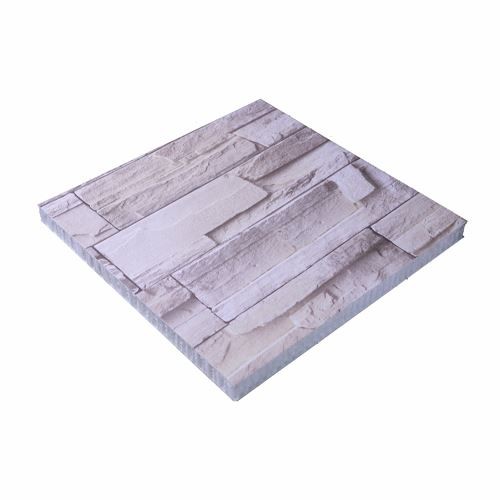
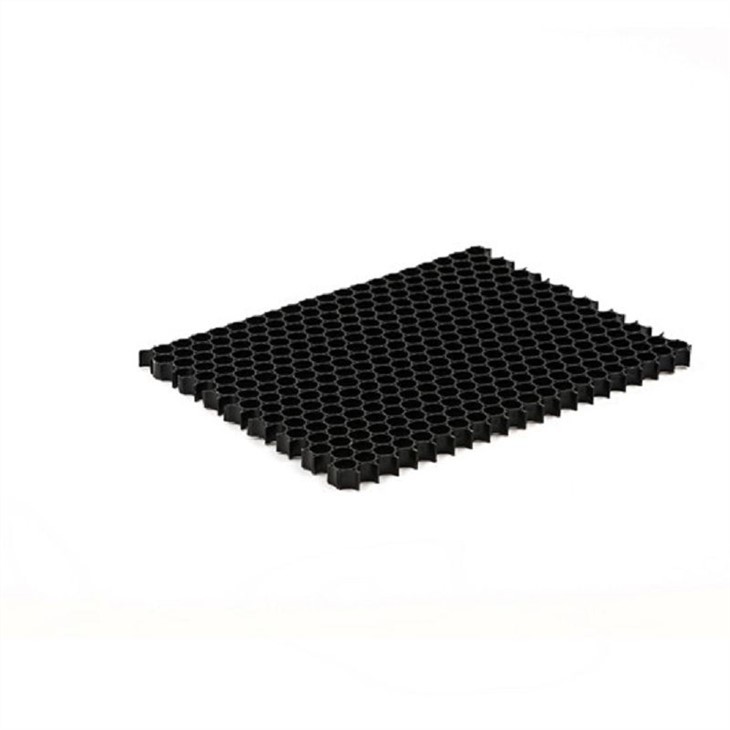
Non - slip honeycomb panels are widely used in industrial settings, such as factories, warehouses, and workshops. Their high strength and slip - resistant properties make them ideal for areas where heavy machinery and equipment are in operation. They are also used in transportation, such as in the floors of trucks and trains, to ensure the safety of goods and personnel. In construction, honeycomb panels can be used for flooring, wall cladding, and roofing, providing both safety and structural support.
Rubber non - slip mats are commonly used in residential and commercial areas with low to medium traffic. They are popular in bathrooms, kitchens, and entryways, where the risk of slipping on wet floors is high. They are also used in gyms and fitness centers to provide a safe surface for exercise.
In conclusion, both non - slip honeycomb panels and rubber non - slip mats have their own advantages and disadvantages. When choosing between them, factors such as the application environment, durability requirements, installation and maintenance needs, and cost - effectiveness should be taken into account. As a Non Slip Honeycomb Panel supplier, I believe that non - slip honeycomb panels offer a more comprehensive solution in many cases, especially in demanding industrial and large - scale applications.
If you are interested in learning more about our non - slip honeycomb panels or have any questions regarding your specific non - slip requirements, I encourage you to contact us for a detailed discussion and potential procurement negotiation.
References
- "Handbook of Composite Materials" - This book provides in - depth knowledge about the materials used in honeycomb panels and their properties.
- "Rubber Technology and Applications" - A valuable resource for understanding the characteristics and performance of rubber non - slip mats.