

Can Non Woven Honeycomb Panel be used in load - bearing applications?
As a supplier of non woven honeycomb panels, I often encounter questions from customers about the suitability of these panels for load - bearing applications. In this blog post, I aim to explore this topic in depth, providing a scientific and reasonable analysis based on my industry knowledge and experience.
Understanding Non Woven Honeycomb Panels
Non woven honeycomb panels are a type of composite material that consists of a honeycomb core sandwiched between two outer layers. The honeycomb core is typically made from a non woven material, which offers several advantages such as lightweight, high strength - to - weight ratio, and good energy absorption capabilities. The outer layers can be made from various materials, including metals, plastics, or composites, depending on the specific application requirements.
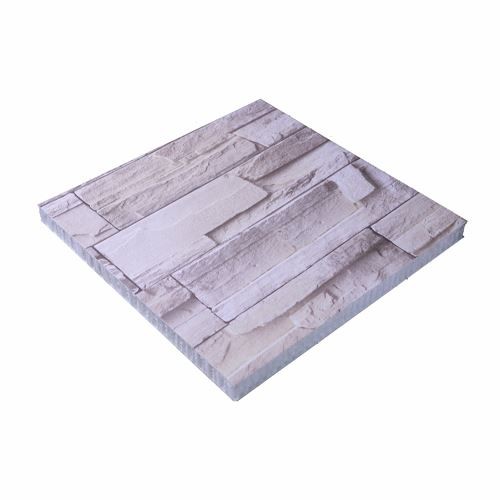
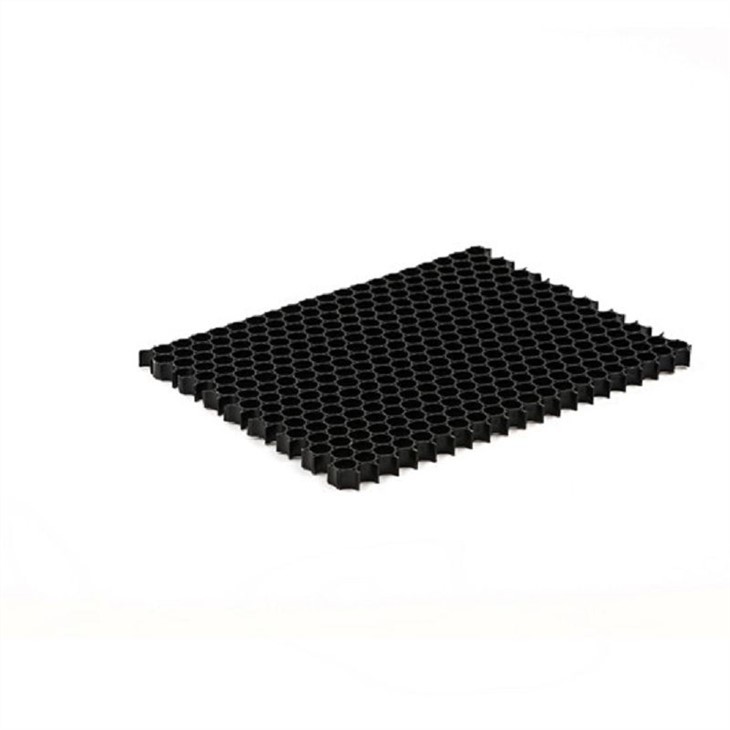
The honeycomb structure of these panels provides excellent stiffness and stability. The hexagonal cells in the honeycomb distribute loads evenly across the panel, reducing stress concentrations and enhancing the overall strength of the structure. This unique design makes non woven honeycomb panels an attractive option for a wide range of applications, including aerospace, automotive, and construction.
Factors Affecting Load - Bearing Capacity
When considering the use of non woven honeycomb panels in load - bearing applications, several factors need to be taken into account.
Material Properties
The material properties of both the honeycomb core and the outer layers play a crucial role in determining the load - bearing capacity of the panel. For example, the strength and stiffness of the non woven material used in the honeycomb core will directly affect its ability to withstand compressive and shear forces. Similarly, the properties of the outer layers, such as their thickness, material type, and bonding strength to the core, will also impact the overall load - bearing performance.
Some non woven materials used in honeycomb cores have high tensile strength and modulus, which can contribute to better load - bearing capabilities. Additionally, the choice of outer layer materials can be tailored to enhance specific performance characteristics. For instance, using a metal outer layer can increase the panel's resistance to impact and provide additional structural support.
Panel Geometry
The geometry of the non woven honeycomb panel, including the cell size, cell wall thickness, and panel thickness, also affects its load - bearing capacity. Smaller cell sizes generally result in higher stiffness and strength, as they provide more support points for load distribution. However, smaller cell sizes may also increase the weight of the panel.
The thickness of the cell walls in the honeycomb core is another important factor. Thicker cell walls can withstand higher loads, but they also add to the weight and cost of the panel. Similarly, increasing the overall thickness of the panel can enhance its load - bearing capacity, but it may also make the panel less lightweight and more expensive.
Loading Conditions
The type of loading that the panel will be subjected to is a critical consideration. Non woven honeycomb panels can experience different types of loads, such as compressive, tensile, shear, and bending loads. Each type of load requires different structural characteristics from the panel.
For example, in a compressive loading situation, the honeycomb core needs to be able to resist buckling and crushing. The cell structure and material properties of the core will determine its ability to withstand these forces. In a bending load scenario, the combination of the honeycomb core and the outer layers must work together to provide sufficient flexural strength.
Applications in Load - Bearing Situations
Non woven honeycomb panels have been successfully used in several load - bearing applications.
Aerospace Industry
In the aerospace industry, weight reduction is of utmost importance. Non woven honeycomb panels offer a lightweight alternative to traditional materials while still providing the necessary strength and stiffness. They are used in aircraft interiors, such as cabin partitions and overhead storage bins, where they need to support their own weight as well as the weight of passengers' belongings.
The panels are also used in some structural components of aircraft wings and fuselages. The honeycomb structure helps to distribute loads evenly, reducing stress concentrations and improving the overall safety and performance of the aircraft. For more information on honeycomb panels suitable for such applications, you can visit Honeycomb - building - panels.
Automotive Industry
In the automotive industry, non woven honeycomb panels are used in various load - bearing applications. They can be found in car seats, where they provide support for the occupants and help to reduce weight. The panels are also used in some body panels, such as doors and hoods, to improve the vehicle's structural integrity while minimizing weight.
The use of non woven honeycomb panels in automotive applications can lead to improved fuel efficiency and better handling due to the reduced weight of the vehicle.
Construction Industry
In the construction industry, non woven honeycomb panels can be used in load - bearing walls and partitions. They can provide insulation, soundproofing, and structural support. The lightweight nature of these panels makes them easier to install and reduces the overall weight of the building structure.
For example, in modular construction, non woven honeycomb panels can be used to create pre - fabricated wall sections that can be quickly assembled on - site. These panels can withstand the vertical and lateral loads imposed on the building, such as the weight of the floors above and wind loads. You can find more details about thermoplastic honeycomb cores suitable for construction applications at Thermoplastic Honeycomb Core.
Limitations and Challenges
While non woven honeycomb panels have many advantages for load - bearing applications, they also face some limitations and challenges.
Cost
The manufacturing process of non woven honeycomb panels can be relatively complex, which can result in higher costs compared to some traditional materials. The cost of raw materials, especially high - performance non woven materials, can also contribute to the overall expense. This can make non woven honeycomb panels less competitive in some cost - sensitive applications.
Durability
The durability of non woven honeycomb panels can be a concern in some environments. Exposure to moisture, chemicals, and extreme temperatures can affect the material properties of the honeycomb core and the outer layers. For example, moisture can cause the non woven material to lose its strength and stiffness, leading to a reduction in the panel's load - bearing capacity.
Conclusion
Non woven honeycomb panels have the potential to be used in load - bearing applications, thanks to their unique honeycomb structure and material properties. However, their suitability depends on a variety of factors, including material properties, panel geometry, and loading conditions.
In industries such as aerospace, automotive, and construction, non woven honeycomb panels have already proven their worth in load - bearing situations. Despite the limitations and challenges they face, ongoing research and development are likely to improve their performance and reduce costs.
If you are considering using non woven honeycomb panels in a load - bearing application, I encourage you to contact me for more information. We can discuss your specific requirements and determine the best solution for your project. Whether it's for a small - scale prototype or a large - scale industrial application, I am here to assist you in making the right choice.
References
- "Composite Materials Handbook", various editions, providing general knowledge on composite materials including non woven honeycomb panels.
- Industry research reports on the use of non woven honeycomb panels in aerospace, automotive, and construction sectors.
- Technical papers from academic institutions on the mechanical properties and load - bearing capabilities of non woven honeycomb structures.