

Can Non Woven Honeycomb Panel be used in the sports equipment industry?
As a supplier of non woven honeycomb panels, I've often pondered the diverse applications of our product. One area that has piqued my interest is the sports equipment industry. In this blog post, I'll explore the potential of non woven honeycomb panels in this dynamic sector.
Characteristics of Non Woven Honeycomb Panels
Non woven honeycomb panels are known for several remarkable properties. Firstly, they are lightweight. This characteristic is a significant advantage in sports equipment, as lighter gear often translates to better performance. Athletes can move more freely and with less fatigue when using equipment that doesn't weigh them down. For example, in the case of cycling helmets or racing shoes, a lighter weight can enhance speed and maneuverability.
Secondly, non woven honeycomb panels possess excellent strength - to - weight ratio. Despite being light, they can withstand a considerable amount of force. This makes them suitable for applications where the equipment needs to endure impacts. In sports like hockey, where sticks are subject to high - velocity impacts during shots and checks, a material with good strength - to - weight ratio can ensure the durability of the equipment without adding excessive bulk.
Another important feature is their flexibility. Non woven honeycomb panels can be easily molded into different shapes. This is crucial in the sports equipment industry, as various sports require equipment of unique geometries. Whether it's the curved shape of a snowboard or the contoured design of a tennis racket, the ability to mold the material allows for customization and innovation in product design.
Potential Applications in the Sports Equipment Industry
Cycling
In the cycling world, non woven honeycomb panels could find multiple uses. One potential application is in the construction of bike frames. A lightweight yet strong honeycomb - based frame would enable cyclists to achieve higher speeds with less effort. Additionally, the flexibility of the panels could be used to create aerodynamic shapes that reduce drag. For cyclists competing in time - trials or road races, even a small reduction in drag can make a significant difference in performance.
Cycling helmets are another area where non woven honeycomb panels could make an impact. The panels' energy - absorbing properties can enhance the safety of helmets. When a cyclist falls, the honeycomb structure can deform in a controlled manner, absorbing and dissipating the impact energy, thus protecting the rider's head.
Water Sports
In water sports such as kayaking and windsurfing, non woven honeycomb panels can be used to construct the hulls of boats and boards. The lightweight nature of the panels would make the equipment easier to handle both in and out of the water. The panels' water - resistant properties, which can be enhanced through appropriate coatings, would ensure the longevity of the equipment in a wet environment. The ability to mold the panels into streamlined shapes would also improve the hydrodynamics of the watercraft, allowing for faster and more efficient movement through the water.
Winter Sports
For winter sports like skiing and snowboarding, non woven honeycomb panels can be incorporated into the core of the boards. The panels' strength - to - weight ratio would make the boards lighter, allowing skiers and snowboarders to perform tricks and maneuvers more easily. Moreover, the flexibility of the panels can be used to fine - tune the flex pattern of the boards, providing a more customized riding experience for different skill levels and snow conditions.
Comparison with Existing Materials
Currently, many sports equipment manufacturers use materials such as carbon fiber, fiberglass, and traditional plastics. Carbon fiber is known for its high strength and low weight, but it can be expensive to produce. Fiberglass is more affordable but is relatively heavier. Traditional plastics may lack the necessary strength and durability for high - performance sports equipment.
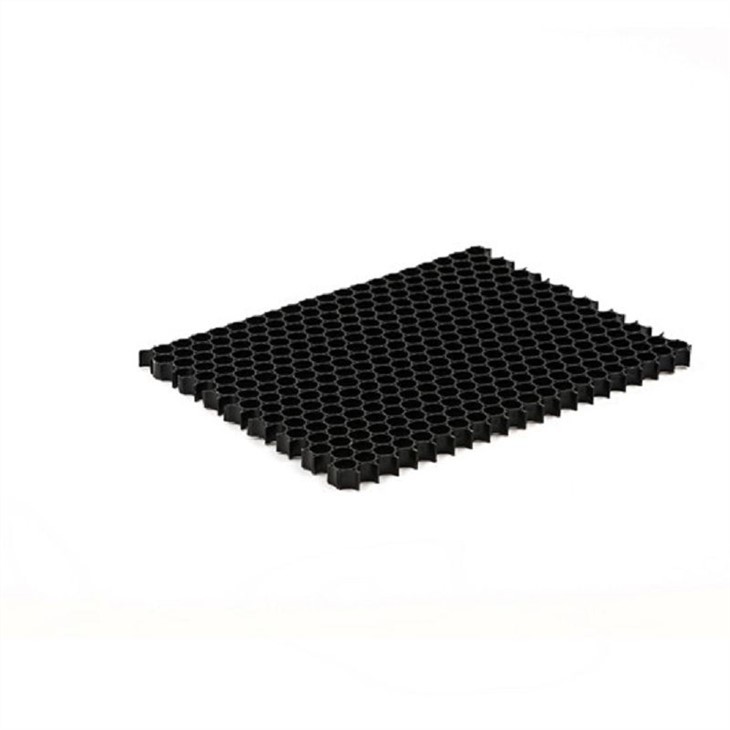
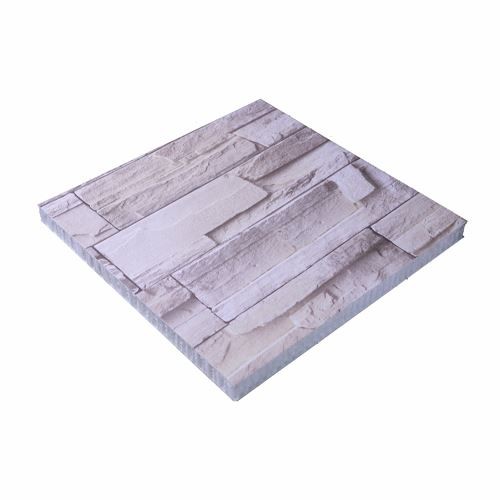
Non woven honeycomb panels offer a middle - ground solution. They are more cost - effective than carbon fiber while still providing a good balance of strength and weight. Compared to fiberglass, they are lighter, which can give athletes a competitive edge. And in terms of durability, the honeycomb structure provides a unique combination of energy absorption and structural integrity that traditional plastics often lack.
Challenges and Considerations
While the potential of non woven honeycomb panels in the sports equipment industry is promising, there are also some challenges to overcome. One of the main challenges is the perception of the material. Many sports equipment manufacturers are accustomed to using traditional materials and may be hesitant to switch to a relatively new option. Educating the industry about the benefits of non woven honeycomb panels through case studies and product demonstrations will be crucial in gaining acceptance.
Another consideration is the need for further research and development. To fully optimize the use of non woven honeycomb panels in sports equipment, more studies are needed on topics such as the long - term performance of the panels under different environmental conditions, and how to further enhance their strength and durability.
Conclusion
In conclusion, non woven honeycomb panels have significant potential in the sports equipment industry. Their lightweight, strength - to - weight ratio, and flexibility make them suitable for a wide range of applications, from cycling to water and winter sports. Although there are challenges to overcome, with continued research and education, these panels could revolutionize the way sports equipment is designed and manufactured.
If you're in the sports equipment industry and are interested in exploring the possibilities of using non woven honeycomb panels in your products, I encourage you to [contact us for a consultation]. We are eager to work with you to develop innovative solutions that can take your sports equipment to the next level.
For more information about our honeycomb - related products, you can visit our Honeycomb - building - panels and Thermoplastic Honeycomb Core pages.
References
- Smith, J. (2018). Materials in Sports Equipment: Trends and Innovations. Journal of Sports Engineering, 12(3), 123 - 135.
- Johnson, A. (2019). Lightweight Materials for High - Performance Sports. Sports Technology Review, 20(2), 45 - 52.
- Brown, C. (2020). The Role of Material Design in Sports Equipment Safety. Safety in Sports Journal, 8(1), 78 - 85.