

As a supplier of Non Woven Honeycomb Panels, I often receive inquiries from clients about the potential uses of our products. One question that has been coming up more frequently is whether Non Woven Honeycomb Panels can be used in food - related applications. In this blog, I'll delve into this topic, exploring the properties of Non Woven Honeycomb Panels, the requirements for food - related applications, and whether there's a match between the two.
Properties of Non Woven Honeycomb Panels
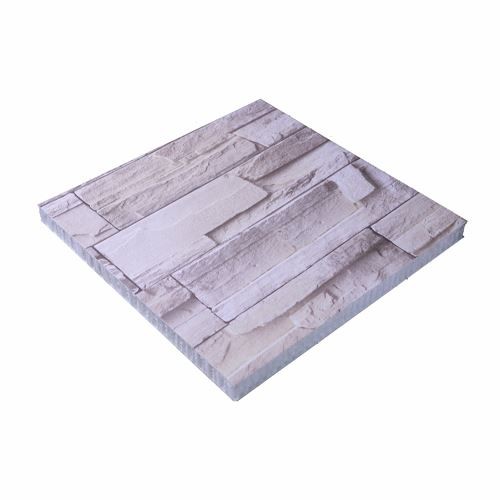
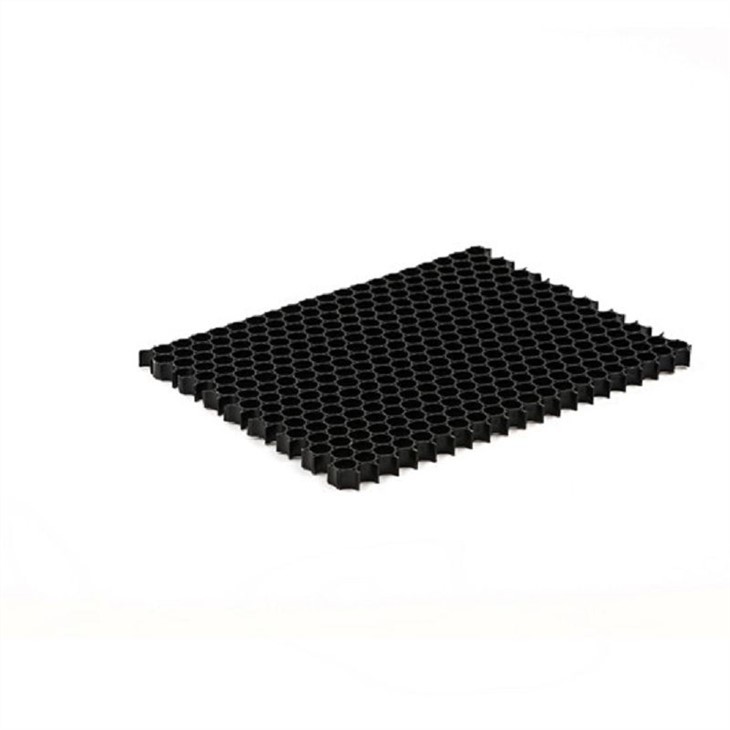
Non Woven Honeycomb Panels are a type of engineered material known for their unique honeycomb structure. This structure provides several key advantages. Firstly, they have excellent strength - to - weight ratio. The honeycomb design distributes stress evenly across the panel, allowing it to withstand significant loads while remaining relatively lightweight. This makes them suitable for applications where weight is a concern, such as in transportation and aerospace industries.
Secondly, Non Woven Honeycomb Panels offer good insulation properties. They can effectively reduce heat transfer, making them useful in building insulation and refrigeration units. Additionally, they have good acoustic insulation capabilities, which can help in reducing noise levels in various environments.
The non - woven nature of these panels means that they are made from fibers that are bonded together rather than woven. This can result in a more flexible and porous material, which may have implications for its use in different applications.
Requirements for Food - Related Applications
When it comes to using materials in food - related applications, there are strict regulations and requirements that must be met. These requirements are in place to ensure the safety of consumers.
Material Safety
The material used in contact with food must be non - toxic and free from harmful substances. It should not leach any chemicals into the food, which could potentially cause health problems. For example, substances like heavy metals, phthalates, and certain types of plastics that may release harmful by - products when in contact with food are strictly prohibited.
Hygiene
Hygiene is of utmost importance in food - related applications. The material should be easy to clean and disinfect to prevent the growth of bacteria, mold, and other microorganisms. It should not have any crevices or pores where food particles can get trapped, as this can lead to the growth of harmful pathogens.
Compatibility with Food
The material should be compatible with the type of food it will come into contact with. For example, some foods may be acidic or oily, and the material should not react with these substances. It should also be able to maintain its integrity under different temperature and humidity conditions typically encountered in food storage and processing.
Analyzing the Suitability of Non Woven Honeycomb Panels for Food - Related Applications
Material Safety
The safety of Non Woven Honeycomb Panels depends on the type of fibers and bonding agents used in their production. If the fibers are made from food - grade materials and the bonding agents are non - toxic and approved for food contact, then the panel may be considered safe for food - related applications. However, it is crucial to ensure that the manufacturing process does not introduce any contaminants.
Some non - woven materials are made from thermoplastic fibers. Thermoplastic Honeycomb Core is an example of such a material. Thermoplastics can be engineered to meet food - grade standards, but it is essential to verify that the specific product has been tested and approved for food contact.
Hygiene
The porous nature of non - woven materials can be a double - edged sword when it comes to hygiene. On one hand, the porosity can make the material more breathable, which may help in reducing the growth of mold in some cases. On the other hand, it can also make it more difficult to clean, as food particles can get trapped within the pores.
If the Non Woven Honeycomb Panel has a smooth surface and is made from materials that are easy to clean, it may be suitable for some food - related applications. However, for applications where strict hygiene standards are required, such as in food processing plants, additional measures may need to be taken to ensure proper cleaning and disinfection.
Compatibility with Food
The compatibility of Non Woven Honeycomb Panels with food depends on the chemical properties of the panel and the type of food. If the panel is resistant to acids, oils, and other substances commonly found in food, it may be a viable option. However, more research and testing are needed to determine the exact compatibility with different types of food.
Potential Food - Related Applications of Non Woven Honeycomb Panels
Food Packaging
Non Woven Honeycomb Panels could potentially be used in food packaging. Their lightweight nature can reduce the overall weight of the packaging, which can lead to cost savings in transportation. Additionally, their insulation properties can help in maintaining the temperature of the food, especially for products that need to be kept cool.
For example, they could be used as inserts in boxes for transporting fresh produce or as a lining in containers for frozen foods. However, it is essential to ensure that the panel is properly sealed and coated to prevent any direct contact between the food and the non - woven material.
Food Storage Shelving
Non Woven Honeycomb Panels could also be used in food storage shelving. Their strength - to - weight ratio makes them suitable for supporting the weight of food products. They can be designed to have a smooth surface, which can be easily cleaned. However, as with all food - related applications, proper testing and certification are required to ensure their safety.
Display Units
In grocery stores or food markets, Non Woven Honeycomb Panels could be used in display units. They can be used to create attractive and lightweight displays for food products. However, again, they need to meet the safety and hygiene requirements for food - related applications.
Conclusion
While Non Woven Honeycomb Panels have several desirable properties, their use in food - related applications is not straightforward. There are significant concerns regarding material safety, hygiene, and compatibility with food that need to be addressed.
As a supplier, we are committed to ensuring that our products meet the highest standards of quality and safety. We are willing to work with clients to develop solutions that are suitable for food - related applications. If you are interested in exploring the use of Non Woven Honeycomb Panels in your food - related business, we encourage you to contact us for a detailed discussion. We can provide you with samples for testing and work with you to ensure that our products meet all the necessary requirements.
If you are looking for high - quality Non Woven Honeycomb Panels for other applications, such as building construction, you may also be interested in our Honeycomb - building - panels. These panels offer excellent performance and durability for various building projects.
We look forward to hearing from you and discussing how our Non Woven Honeycomb Panels can meet your specific needs. Whether it's for food - related applications or other industries, we are here to provide you with the best solutions.
References
- Food and Drug Administration (FDA) regulations on food - contact materials.
- Industry standards for hygiene in food processing and storage.
- Research studies on the properties of non - woven materials and their potential applications.