

What is the Standard Size of PP Honeycomb Panel?
As a supplier of PP honeycomb panels, I often get asked about the standard size of these versatile products. PP honeycomb panels, made from polypropylene, are known for their lightweight, high strength, and excellent chemical resistance, making them suitable for a wide range of applications from packaging to construction. In this blog post, I'll delve into the common standard sizes of PP honeycomb panels, the factors that influence these sizes, and how they can be tailored to specific project needs.
Common Standard Sizes
The standard sizes of PP honeycomb panels can vary depending on the manufacturer and the intended application. However, there are some widely recognized dimensions in the industry.
In terms of thickness, PP honeycomb panels typically range from 2mm to 50mm. Thinner panels, around 2 - 5mm, are often used in applications where weight is a critical factor, such as in the interior of aircraft or in high - end packaging. For example, a 3mm thick PP honeycomb panel can provide sufficient rigidity for a delicate electronic device's packaging while keeping the overall weight of the package low. On the other hand, thicker panels, from 20mm to 50mm, are more suitable for structural applications. In construction, a 30mm thick panel can be used as a partition wall or a sub - floor, offering good load - bearing capacity.
The width of PP honeycomb panels usually falls between 1000mm and 2000mm. A 1220mm width is a very common choice as it aligns well with standard building materials and manufacturing processes. This width allows for efficient cutting and installation, reducing waste and labor costs. For instance, when used in the production of furniture, a 1220mm wide panel can be easily cut into various parts for tables, cabinets, etc.
The length of these panels can range from 2000mm to 4000mm. A 2440mm length is frequently seen, which is also a standard dimension in the building and manufacturing industries. This length is convenient for transportation and handling, and it can be combined or cut to fit different project requirements. For example, in the construction of a large - scale exhibition booth, multiple 2440mm long panels can be joined together to create a seamless surface.
Factors Influencing Standard Sizes
Several factors contribute to the establishment of these standard sizes.
Manufacturing Processes: The production of PP honeycomb panels involves extrusion and forming processes. The equipment used in these processes has certain limitations in terms of the maximum width and length it can handle. For example, the die used in extrusion may have a fixed width, which determines the maximum width of the panel that can be produced in one pass. Also, the cooling and solidification time during the forming process affects the length that can be efficiently produced. If the panel is too long, it may not cool evenly, leading to defects in the final product.
Transportation and Handling: Standard sizes are also influenced by transportation and handling considerations. Panels that are too large or heavy can be difficult to transport, increasing the risk of damage during transit. Moreover, they may require special handling equipment, which can add to the cost. By adhering to standard sizes, the panels can be easily loaded onto trucks, ships, or containers, and can be moved around at the construction or installation site without excessive effort.
Market Demand: The needs of the market play a significant role in determining standard sizes. Different industries have their own preferences based on their typical applications. The packaging industry, for example, often requires smaller and thinner panels to suit the size of the products being packaged. In contrast, the construction industry may need larger and thicker panels for structural purposes. Manufacturers tend to produce panels in sizes that are most in demand to meet the market's requirements and ensure a steady flow of sales.
Custom - Sizing for Specific Projects
While standard sizes are widely available, there are many cases where custom - sized PP honeycomb panels are required. As a supplier, I understand that every project is unique, and sometimes standard sizes just won't cut it.
For example, in the automotive industry, manufacturers may need PP honeycomb panels with specific dimensions to fit the interior of a particular car model. These panels may need to be cut to precise shapes and sizes to match the contours of the car's dashboard, door panels, or seat backs. In such cases, we can use advanced cutting and machining techniques to produce panels that meet the exact specifications provided by the customer.
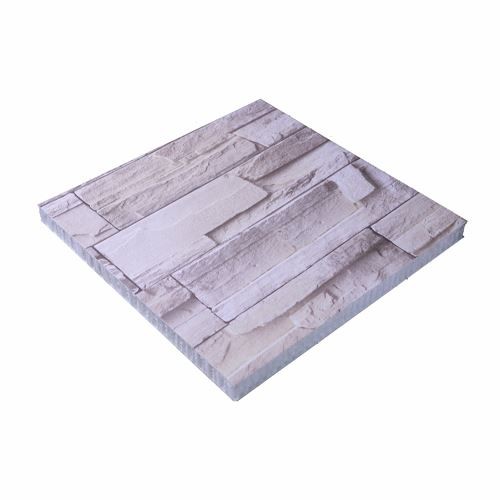
In the field of art and design, artists and designers may require non - standard sized panels for their creative projects. They may need panels with irregular shapes or unusual dimensions to bring their unique visions to life. Our team is equipped to work closely with these clients, providing them with customized solutions that meet their artistic and functional requirements.
Related Products and Applications
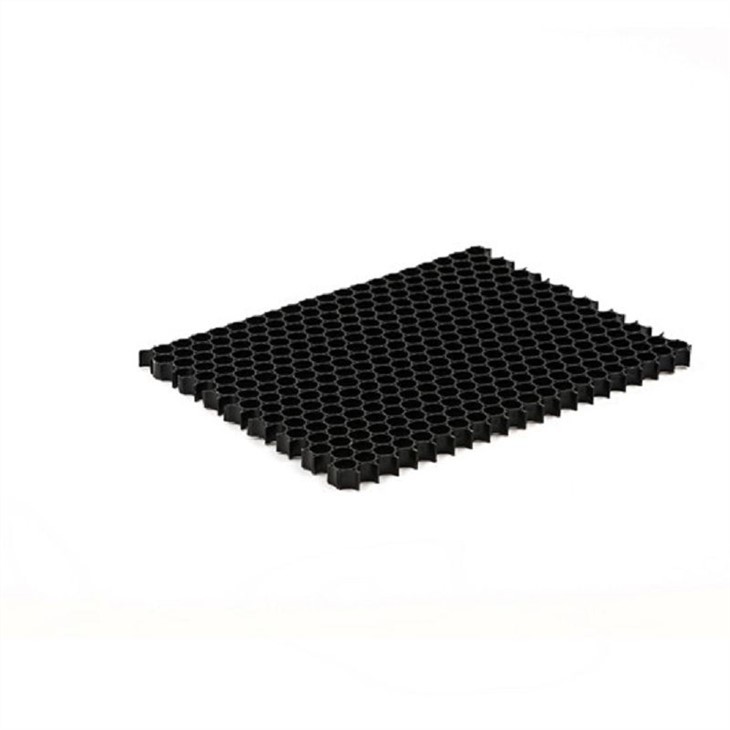
PP honeycomb panels are often used in combination with other products. The Thermoplastic Honeycomb Core is an important component that enhances the performance of the panels. It provides additional strength and rigidity, making the panels more suitable for high - stress applications.
In the construction industry, Honeycomb - building - panels are becoming increasingly popular. They can be used for both interior and exterior applications, such as facades, ceilings, and partitions. Their lightweight nature reduces the load on the building structure, while their high strength ensures long - term durability.
Contact for Procurement and Discussion
If you're in the market for PP honeycomb panels, whether you need standard sizes or custom - sized products, I'd be more than happy to discuss your requirements. As a supplier, I'm committed to providing high - quality panels that meet your specific needs. Whether you're working on a small - scale DIY project or a large - scale industrial application, we have the expertise and resources to support you. Feel free to reach out to start a conversation about your procurement needs.
References
- "Plastics in Construction: A Guide to Polypropylene", Plastic Institute of America.
- "Advanced Materials for Packaging", Packaging Technology Journal.
- "The Science of Extrusion and Forming in Polymer Manufacturing", Polymer Science Review.