

Chemical resistance is a crucial property for many materials, especially in industries where they may come into contact with various chemicals. As a supplier of PET honeycomb panels, understanding the chemical resistance of these panels is essential for providing accurate information to our customers and ensuring that our products meet their specific needs.
Understanding PET Honeycomb Panels
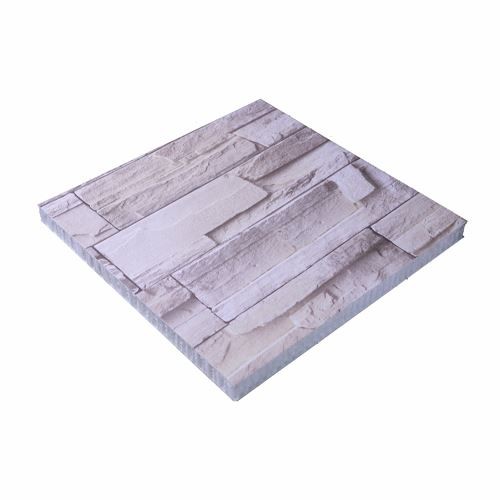
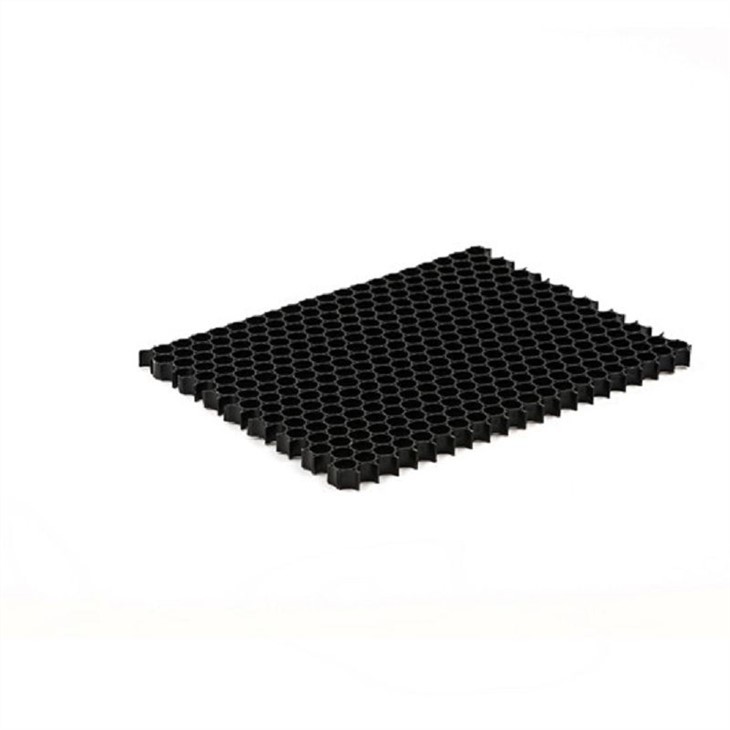
PET, or polyethylene terephthalate, is a thermoplastic polymer that is widely used in various applications due to its excellent mechanical properties, transparency, and chemical resistance. PET honeycomb panels are made by sandwiching a honeycomb core between two layers of PET sheets. The honeycomb structure provides high strength and stiffness while keeping the weight of the panel low. These panels are commonly used in industries such as aerospace, automotive, construction, and packaging.
Factors Affecting Chemical Resistance
The chemical resistance of a PET honeycomb panel is influenced by several factors, including the type of chemical, concentration, temperature, and exposure time. Different chemicals can have different effects on the panel, ranging from minor surface damage to significant degradation of the material.
- Type of Chemical
- Some chemicals are more aggressive towards PET than others. For example, strong acids and bases can react with the PET polymer, causing hydrolysis and breaking down the molecular chains. Organic solvents such as acetone, toluene, and chloroform can also dissolve or swell the PET, leading to a loss of mechanical properties. On the other hand, PET has good resistance to many aqueous solutions, such as water, saline solutions, and mild acids and bases.
- Concentration
- The concentration of the chemical also plays a significant role in determining its effect on the PET honeycomb panel. Higher concentrations of aggressive chemicals are more likely to cause damage to the panel. For example, a low - concentration solution of hydrochloric acid may have little effect on the panel, while a concentrated solution can cause rapid degradation.
- Temperature
- Temperature can accelerate chemical reactions. At higher temperatures, the rate of chemical attack on the PET honeycomb panel increases. For instance, the solubility of organic solvents in PET may increase with temperature, leading to more severe swelling and damage. Additionally, high temperatures can also reduce the mechanical strength of the panel, making it more vulnerable to chemical attack.
- Exposure Time
- The longer the PET honeycomb panel is exposed to a chemical, the greater the potential for damage. Even relatively mild chemicals can cause cumulative damage over an extended period. For example, prolonged exposure to water can lead to hydrolysis of the PET, especially at elevated temperatures.
Chemical Resistance Testing
To accurately assess the chemical resistance of our PET honeycomb panels, we conduct a series of tests. These tests involve exposing the panels to different chemicals under controlled conditions of concentration, temperature, and exposure time.
- Immersion Tests
- In immersion tests, samples of the PET honeycomb panel are fully immersed in a chemical solution for a specified period. After the immersion, the samples are removed, washed, and dried. We then measure changes in the physical and mechanical properties of the samples, such as weight, dimensions, hardness, and tensile strength. For example, if a sample shows a significant increase in weight after immersion in a solvent, it may indicate swelling of the PET.
- Surface Contact Tests
- Surface contact tests are used to evaluate the resistance of the panel's surface to chemical attack. A small amount of the chemical is applied to the surface of the panel and left in contact for a certain time. After the exposure, the surface is inspected for signs of damage, such as discoloration, etching, or loss of gloss.
Chemical Resistance of PET Honeycomb Panels in Different Chemical Environments
- Aqueous Solutions
- PET honeycomb panels generally have good resistance to water and many aqueous solutions. They can withstand long - term exposure to water without significant degradation, making them suitable for applications in wet environments. However, in the presence of strong acids or bases in aqueous solutions, the panels may be more susceptible to attack. For example, in a highly alkaline solution, the PET can undergo hydrolysis, which breaks the ester bonds in the polymer chain.
- Organic Solvents
- The resistance of PET honeycomb panels to organic solvents varies depending on the type of solvent. Some solvents, such as ethanol and methanol, have relatively low solubility in PET and may cause only minor swelling or surface damage. However, solvents like acetone and toluene can dissolve or swell the PET significantly, leading to a loss of mechanical integrity. For applications where contact with organic solvents is possible, it is important to choose the appropriate grade of PET honeycomb panel or apply a protective coating.
- Oils and Greases
- PET honeycomb panels have moderate resistance to oils and greases. In general, they can withstand short - term exposure to most mineral oils and synthetic lubricants without significant damage. However, prolonged exposure to certain types of oils, especially those with high acidity or containing additives, may cause some swelling or softening of the panel.
Applications Based on Chemical Resistance
The chemical resistance properties of PET honeycomb panels make them suitable for a wide range of applications.
- Aerospace Industry
- In the aerospace industry, PET honeycomb panels are used in interior components such as cabin partitions and luggage compartments. These panels need to resist the chemicals used in aircraft cleaning agents, as well as any potential spills of hydraulic fluids or fuels. Our chemical - resistant PET honeycomb panels can ensure the long - term durability of these components.
- Automotive Industry
- In the automotive industry, PET honeycomb panels can be used in interior trim, door panels, and under - hood components. They need to withstand exposure to automotive fluids, such as engine oil, coolant, and brake fluid, as well as cleaning agents. The chemical resistance of our panels helps to maintain their appearance and mechanical properties over time.
- Construction Industry
- In the construction industry, Honeycomb - building - panels made of PET honeycomb are used in partitions, ceilings, and facades. They may be exposed to various chemicals during construction, such as cement slurries, paint thinners, and cleaning agents. Our PET honeycomb panels with good chemical resistance can ensure the longevity and performance of these building elements.
Conclusion
The chemical resistance of PET honeycomb panels is an important property that depends on several factors, including the type of chemical, concentration, temperature, and exposure time. Through comprehensive chemical resistance testing, we can accurately assess the performance of our panels in different chemical environments. Our PET honeycomb panels offer a good balance of chemical resistance and mechanical properties, making them suitable for a wide range of applications in various industries.
If you are looking for high - quality PET honeycomb panels with excellent chemical resistance, we are here to provide you with the best solutions. Our team of experts can help you select the right panel for your specific application and answer any questions you may have. Contact us today to start a discussion about your procurement needs and explore how our Thermoplastic Honeycomb Core can meet your requirements.
References
- ASTM International. (20XX). Standard test methods for evaluating the chemical resistance of plastics.
- Polymer Handbook. (4th Edition). Edited by J. Brandrup, E. H. Immergut, and E. A. Grulke.