

As a supplier of Honeycomb Building Panels, I've often been asked about the suitability of our products for roofing applications. This is an important question, as roofing is a critical part of any building, protecting it from the elements and ensuring the safety and comfort of its occupants. In this blog post, I'll explore the potential of honeycomb building panels for roofing, discussing their advantages, challenges, and key considerations.
Advantages of Honeycomb Building Panels for Roofing
Lightweight
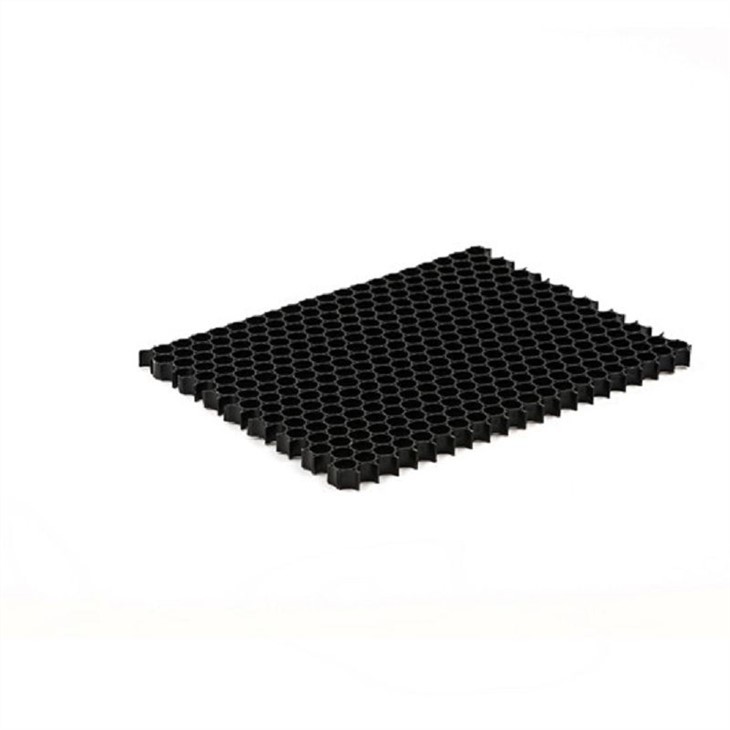
One of the most significant advantages of honeycomb building panels is their lightweight nature. Honeycomb structures are designed to provide high strength with minimal weight, making them an ideal choice for roofing applications. Traditional roofing materials such as concrete, asphalt, and metal can be heavy, which can put additional stress on a building's structure and foundation. In contrast, honeycomb building panels are much lighter, reducing the overall load on the building and potentially lowering construction costs. For example, Thermoplastic Honeycomb Core is often used in honeycomb building panels, offering excellent strength - to - weight ratio.
High Strength and Durability
Despite their lightweight, honeycomb building panels offer remarkable strength and durability. The honeycomb structure distributes stress evenly across the panel, making it resistant to bending, warping, and impact. This means that they can withstand harsh weather conditions, including high winds, heavy rain, and even hail. In many regions with extreme weather, the durability of roofing materials is crucial, and honeycomb building panels can maintain their integrity over time, reducing the need for frequent repairs or replacements. Their high strength also allows for wider spans between supports, providing more flexibility in building design.
Insulation Properties
Honeycomb building panels can provide excellent thermal and acoustic insulation. The air pockets within the honeycomb structure act as natural insulators, reducing heat transfer through the roof. This can significantly improve the energy efficiency of a building, lowering heating and cooling costs. In addition to thermal insulation, these panels also help in reducing noise transmission from the outside, creating a quieter and more comfortable indoor environment. This insulation ability makes them an attractive option for both residential and commercial roofing projects.
Design Flexibility
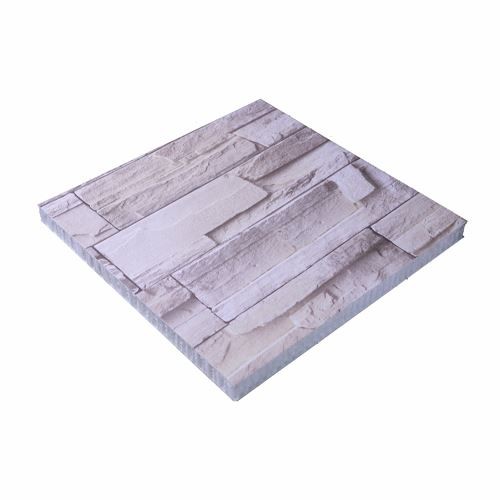
They come in a variety of sizes, shapes, and colors, offering great design flexibility. Architects and builders can use honeycomb building panels to create unique and aesthetically pleasing roofing designs. Whether it's a modern, minimalist look or a more traditional style, these panels can be customized to meet the specific design requirements of a project. The Honeycomb - building - panels on our website showcase a range of options that can inspire various roofing designs.
Challenges and Key Considerations
Waterproofing
One of the main challenges when using honeycomb building panels for roofing is waterproofing. While the panels themselves are relatively water - resistant, proper installation and sealing are essential to prevent water infiltration. Specialized waterproof membranes and sealants need to be used during the installation process to ensure that the roof remains watertight. Additionally, the joints between the panels must be carefully sealed to avoid any potential leaks.
Cost
The initial cost of honeycomb building panels can be higher compared to some traditional roofing materials. However, it's important to consider the long - term cost savings. Their durability and energy - efficiency can result in lower maintenance and energy costs over the life of the building. When evaluating the cost, it's necessary to take into account the overall return on investment, including reduced energy bills and less frequent roof replacements.
Installation Expertise
Installing honeycomb building panels for roofing requires specific expertise. The panels need to be installed correctly to ensure optimal performance. Improper installation can lead to issues such as leaks, poor insulation, and reduced structural integrity. Therefore, it's crucial to work with experienced contractors who are familiar with the installation techniques of honeycomb building panels.
Case Studies
There have been several successful applications of honeycomb building panels in roofing projects around the world. For instance, in a commercial building in a coastal area, honeycomb building panels were used for the roof. The panels' lightweight nature reduced the load on the building's structure, while their high strength allowed them to withstand the strong winds and salt - water exposure typical of coastal environments. The insulation properties of the panels also helped in maintaining a comfortable indoor temperature, reducing the building's energy consumption.
In a residential project, a homeowner chose honeycomb building panels for their roof due to the design flexibility they offered. The panels were customized to create a sloping roof with a unique appearance. The insulation provided a quiet and energy - efficient home environment, and the panels' durability has ensured that the roof has remained in good condition for years.
Conclusion
In conclusion, honeycomb building panels can be a viable option for roofing. Their lightweight, high strength, insulation properties, and design flexibility make them an attractive choice for many roofing projects. However, it's important to address the challenges such as waterproofing, cost, and installation expertise. As a supplier of Honeycomb Building Panels, we are committed to providing high - quality products and the necessary support to ensure successful roofing applications.
If you're considering using honeycomb building panels for your next roofing project, we'd be more than happy to discuss your requirements. Our team of experts can provide detailed information about the products, assist with design considerations, and offer guidance on installation. Contact us today to start the conversation about transforming your roofing needs with our innovative honeycomb building panels.
References
- Engineering studies on honeycomb structures and their applications in construction.
- Industry reports on roofing materials and their performance.
- Real - life case studies of buildings using honeycomb building panels for roofing.