

Are honeycomb building panels fire-resistant? This is a question that often comes up when discussing the use of these innovative construction materials. As a supplier of Honeycomb Building Panels, I'm here to delve into this topic and provide you with a comprehensive understanding of their fire-resistant properties.
Understanding Honeycomb Building Panels
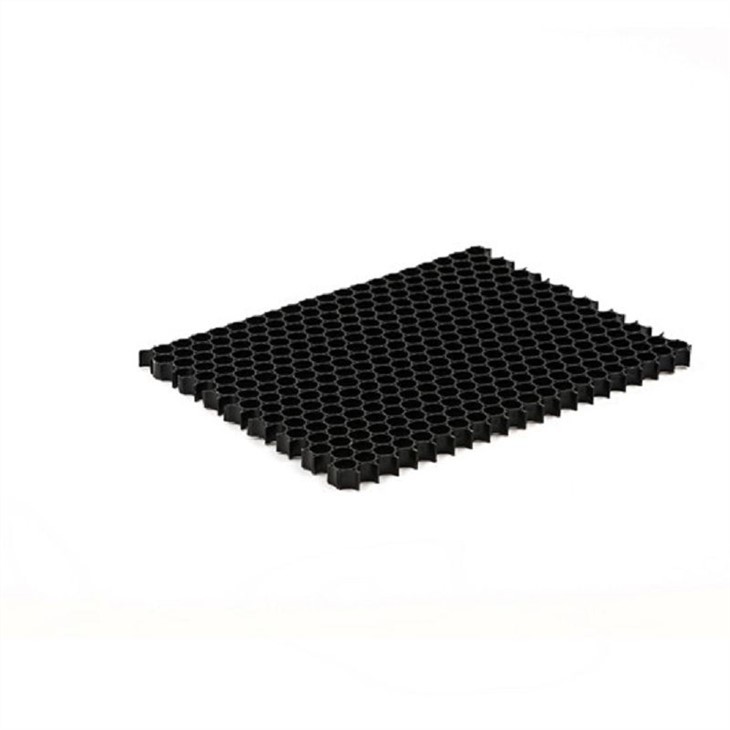
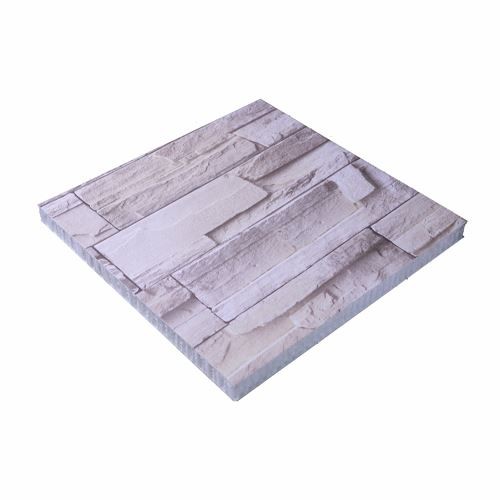
Honeycomb building panels are a type of composite material that consists of a honeycomb core sandwiched between two face sheets. The honeycomb core, which is typically made of materials like paper, aluminum, or Thermoplastic Honeycomb Core, provides excellent structural strength and rigidity while keeping the weight of the panel relatively low. The face sheets can be made of various materials such as wood, metal, or plastic, depending on the specific application and requirements.
These panels have gained popularity in the construction industry due to their numerous advantages. They offer high strength-to-weight ratios, making them ideal for applications where weight reduction is crucial, such as in aerospace, automotive, and marine industries. In the building and construction sector, honeycomb building panels are used for partitions, ceilings, wall cladding, and even in the construction of modular buildings.
Fire Resistance in Construction
Fire safety is a top priority in the construction industry. Building materials are required to meet certain fire safety standards to ensure the protection of occupants and property. Fire-resistant materials are designed to slow down the spread of fire, reduce the release of toxic gases, and maintain their structural integrity for a specified period during a fire.
When evaluating the fire resistance of a material, several factors are considered. These include the material's ignition resistance, flame spread rate, heat release rate, and the amount of smoke and toxic gases produced when exposed to fire. Different building codes and standards around the world have specific requirements for the fire performance of construction materials, and it's essential for manufacturers and suppliers to ensure that their products meet these standards.
Fire Resistance of Honeycomb Building Panels
The fire resistance of honeycomb building panels depends on several factors, including the materials used in the core and the face sheets, as well as the manufacturing process. Let's take a closer look at how different components of these panels contribute to their fire performance.
Honeycomb Core
The honeycomb core material plays a significant role in determining the fire resistance of the panel. For example, aluminum honeycomb cores are inherently fire-resistant. Aluminum has a high melting point and does not burn, which means it can help prevent the spread of fire through the panel. When exposed to high temperatures, aluminum forms a protective oxide layer that further enhances its fire resistance.
On the other hand, paper honeycomb cores are more combustible. However, they can be treated with fire retardant chemicals to improve their fire performance. These treatments can reduce the flammability of the paper, slow down the flame spread, and decrease the heat release rate.
Thermoplastic Honeycomb Core materials also vary in their fire resistance. Some thermoplastics have relatively low melting points and can be more prone to melting and dripping when exposed to fire, which can pose a fire hazard. However, there are also thermoplastics that have been engineered to have better fire performance, such as those with flame retardant additives.
Face Sheets
The face sheets of honeycomb building panels can also affect their fire resistance. Metal face sheets, such as steel or aluminum, are non-combustible and can provide a good level of fire protection. They can act as a barrier to prevent the spread of fire and heat through the panel.
Wood face sheets, while a popular choice for their aesthetic appeal, are combustible. However, like paper honeycomb cores, wood can be treated with fire retardants to improve its fire performance. These treatments can reduce the flammability of the wood, slow down the flame spread, and increase the time it takes for the wood to ignite.
Plastic face sheets can have varying degrees of fire resistance depending on the type of plastic used. Some plastics are highly flammable, while others can be formulated with flame retardant additives to meet certain fire safety standards.
Testing and Certification
To ensure that honeycomb building panels meet the required fire safety standards, they are subjected to rigorous testing. These tests simulate real-world fire conditions and evaluate the panel's performance in terms of ignition resistance, flame spread, heat release, and smoke production.
Common fire tests for building materials include the ASTM E84 test, which measures the surface burning characteristics of materials, and the UL 94 test, which evaluates the flammability of plastics. Panels that pass these tests can be certified as meeting certain fire safety standards, such as Class A, B, or C in the ASTM E84 test, which indicates different levels of fire performance.
As a supplier of Honeycomb-building-panels, we ensure that our products are tested and certified to meet the relevant fire safety standards. This gives our customers peace of mind knowing that they are using materials that are safe and compliant with building codes.
Applications and Fire Safety Considerations
Honeycomb building panels are used in a wide range of applications, and the fire safety requirements can vary depending on the specific use. For example, in commercial buildings, where there are large numbers of occupants, higher fire safety standards are typically required. Panels used in areas such as stairwells, corridors, and exit routes need to have excellent fire resistance to ensure the safe evacuation of occupants.
In residential buildings, while the fire safety requirements may be less stringent, it's still important to use fire-resistant materials to protect the lives and property of homeowners. Honeycomb building panels can be used for interior partitions, ceilings, and wall cladding, and choosing panels with appropriate fire performance can help reduce the risk of fire spreading through the house.
In industrial applications, such as factories and warehouses, the fire safety requirements may be based on the type of operations carried out in the facility. For example, in facilities where flammable materials are stored or processed, the use of highly fire-resistant honeycomb building panels may be necessary to prevent the spread of fire and protect valuable equipment and inventory.
Conclusion
In conclusion, the fire resistance of honeycomb building panels can vary depending on the materials used in the core and the face sheets, as well as the manufacturing process. While some components of these panels, such as aluminum honeycomb cores and metal face sheets, are inherently fire-resistant, others, like paper cores and wood face sheets, may require treatment with fire retardants to improve their fire performance.
As a supplier of Honeycomb Building Panels, we are committed to providing our customers with high-quality products that meet the relevant fire safety standards. Our panels are tested and certified to ensure that they offer the necessary level of fire protection for different applications.
If you're considering using honeycomb building panels in your construction project and have questions about their fire resistance or other properties, we'd be more than happy to discuss your needs. Contact us to learn more about our products and how they can meet your specific requirements. We look forward to the opportunity to work with you and help you achieve your construction goals.
References
- ASTM International. (2023). ASTM E84 - Standard Test Method for Surface Burning Characteristics of Building Materials.
- Underwriters Laboratories. (2023). UL 94 - Standard for Tests for Flammability of Plastic Materials for Parts in Devices and Appliances.