

As a supplier of PP honeycomb panels, I often get asked whether these panels are suitable for outdoor use. It's a valid question, considering the harsh and unpredictable conditions that outdoor environments present. In this blog post, I'll delve into the properties of PP honeycomb panels, their performance outdoors, and the factors to consider when using them in external settings.
Understanding PP Honeycomb Panels
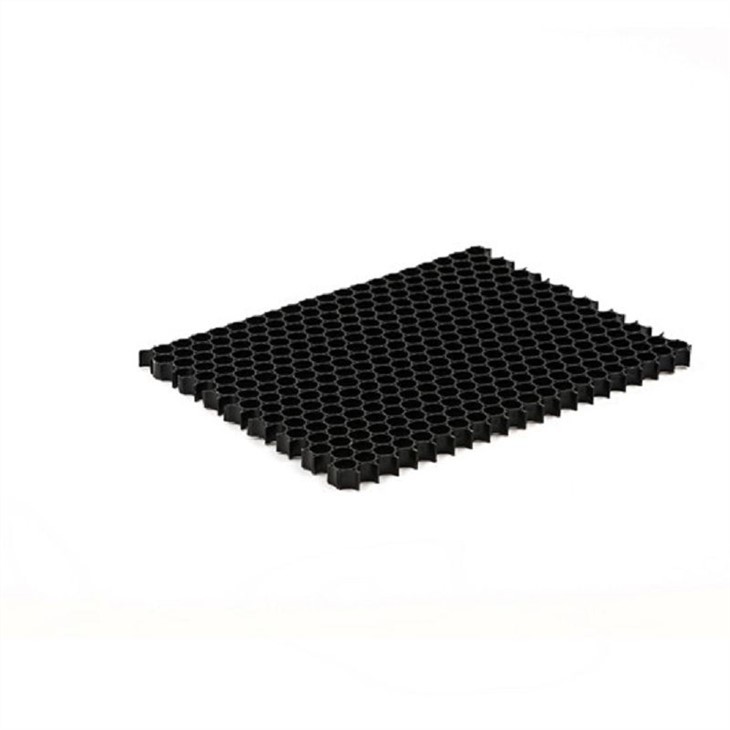
PP, or polypropylene, is a thermoplastic polymer known for its excellent chemical resistance, high stiffness, and good impact strength. Honeycomb panels, on the other hand, are structured materials with a honeycomb-shaped core sandwiched between two face sheets. The combination of PP and the honeycomb structure results in a lightweight yet strong material that offers several advantages.
The Thermoplastic Honeycomb Core of PP honeycomb panels provides a high strength-to-weight ratio. This means that the panels can withstand significant loads without being overly heavy, making them easy to handle and install. Additionally, PP is resistant to many chemicals, including acids, alkalis, and solvents, which gives the panels good durability in various environments.
Performance of PP Honeycomb Panels Outdoors
Weather Resistance
One of the primary concerns when using any material outdoors is its ability to withstand the elements. PP honeycomb panels have good weather resistance. They are not easily affected by moisture, which means they won't rot, warp, or swell like some wood-based materials. This makes them suitable for use in areas with high humidity or frequent rainfall.
However, prolonged exposure to sunlight can cause some degradation of the PP material. Ultraviolet (UV) rays can break down the polymer chains in PP, leading to a loss of mechanical properties and a change in color. To mitigate this issue, many PP honeycomb panels are treated with UV stabilizers during the manufacturing process. These stabilizers help to absorb and dissipate UV energy, reducing the rate of degradation and extending the lifespan of the panels outdoors.
Temperature Resistance
PP honeycomb panels can tolerate a wide range of temperatures. They have a relatively high melting point, which means they won't deform easily in hot weather. In cold temperatures, they remain flexible and do not become brittle, maintaining their structural integrity. This temperature resistance makes them suitable for use in different climates, from hot and arid regions to cold and snowy areas.
Impact Resistance
Outdoor environments are often subject to various impacts, such as from falling objects or accidental collisions. PP honeycomb panels have good impact resistance due to the combination of the strong face sheets and the energy-absorbing honeycomb core. This means they can withstand minor impacts without cracking or breaking, making them a reliable choice for outdoor applications where durability is essential.
Factors to Consider When Using PP Honeycomb Panels Outdoors
Installation
Proper installation is crucial for the performance of PP honeycomb panels outdoors. The panels should be installed in a way that allows for proper drainage to prevent water from pooling on the surface. Additionally, they should be securely fastened to the supporting structure to ensure stability and prevent movement during high winds or other external forces.
Maintenance
Although PP honeycomb panels are relatively low-maintenance, some basic care is still required to keep them in good condition. Regular cleaning with mild soap and water can help to remove dirt, debris, and any contaminants that may accumulate on the surface. Inspecting the panels periodically for signs of damage or degradation, such as cracks, discoloration, or loss of stiffness, is also recommended.
Application
The specific application of the PP honeycomb panels outdoors will also affect their performance. For example, if the panels are used as roofing materials, they will be exposed to more direct sunlight and weather conditions compared to if they are used as wall cladding. Understanding the requirements of the application and choosing the appropriate type of PP honeycomb panel, such as one with a higher level of UV protection for roofing, is essential.
Suitable Outdoor Applications
Building Construction
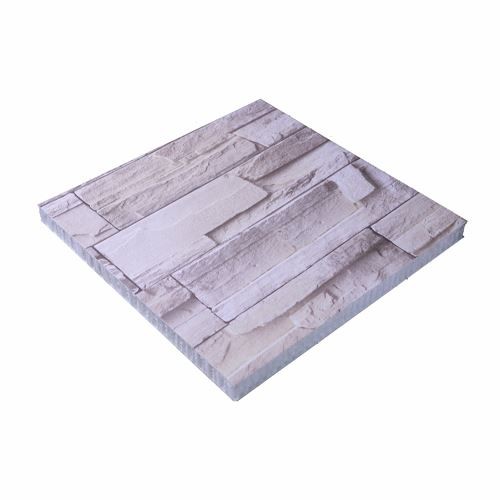
PP honeycomb panels can be used in various building construction applications outdoors. They can be used as wall cladding, providing an attractive and durable exterior finish. The lightweight nature of the panels makes them easy to install, reducing construction time and costs. They can also be used as roofing materials, offering good insulation and weather protection.
Outdoor Furniture
PP honeycomb panels are an excellent choice for outdoor furniture. They can be used to make tables, chairs, benches, and other outdoor seating and dining options. The panels' resistance to moisture and impact makes them suitable for withstanding the rigors of outdoor use, and their aesthetic appeal can enhance the overall look of the outdoor space.
Signage and Display
In the signage and display industry, PP honeycomb panels are widely used for outdoor applications. They can be easily cut, shaped, and printed on, making them a versatile material for creating eye-catching signs and displays. Their durability ensures that the signs and displays will remain in good condition for an extended period, even in harsh outdoor environments.
Agricultural and Horticultural
PP honeycomb panels can also be used in agricultural and horticultural settings. They can be used to construct greenhouse walls and roofs, providing a lightweight and cost-effective alternative to traditional glass or polycarbonate materials. The panels' insulation properties help to regulate the temperature inside the greenhouse, creating a more favorable environment for plant growth.
Conclusion
In conclusion, PP honeycomb panels can indeed be used outdoors with proper consideration and precautions. Their excellent weather resistance, temperature resistance, and impact resistance make them a suitable choice for a wide range of outdoor applications. However, factors such as installation, maintenance, and the specific application need to be taken into account to ensure optimal performance.
If you're interested in using PP honeycomb panels for your outdoor projects, I encourage you to contact us to discuss your requirements. Our team of experts can provide you with detailed information about our products and help you choose the right solution for your needs. We offer a wide range of Honeycomb-building-panels that are designed to meet the highest standards of quality and performance. Let's work together to bring your outdoor projects to life!
References
- Plastics Europe. (2023). Polypropylene - Properties and Applications.
- ASTM International. (2023). Standards for Testing and Evaluating Plastic Materials.