

When it comes to the manufacturing and supply of truck body panels, one of the most frequently asked questions is about the thickness of a standard truck body panel. As a trusted supplier of Truck Body Panels, I've encountered this query numerous times from various clients, ranging from small - scale truck owners to large - scale logistics companies. In this blog, I'll delve into the details of what determines the thickness of a standard truck body panel, its importance, and how it varies according to different factors.
Factors Influencing the Thickness of Truck Body Panels
The thickness of a truck body panel is not a one - size - fits - all measurement. It is influenced by several key factors that must be considered during the manufacturing process.
Type of Truck
Different types of trucks have different requirements for body panel thickness. For example, light - duty trucks, such as pickup trucks used for personal or light commercial purposes, typically have thinner body panels compared to heavy - duty trucks. Light - duty trucks are often designed for better fuel efficiency and maneuverability. A thinner panel can reduce the overall weight of the vehicle, which in turn helps in achieving better gas mileage. On average, the body panels of light - duty trucks can range from 0.8 mm to 1.2 mm in thickness.
On the other hand, heavy - duty trucks, which are used for transporting large and heavy loads over long distances, require thicker body panels. These panels need to withstand the rigors of heavy use, including impacts from road debris, vibrations, and the weight of the cargo. Heavy - duty truck body panels usually have a thickness ranging from 1.5 mm to 3 mm or even more in some cases.
Material Used
The material of the truck body panel is another crucial factor in determining its thickness. Common materials for truck body panels include steel, aluminum, and composite materials.
Steel is a traditional and widely used material for truck body panels. It is known for its high strength and durability. However, steel is relatively heavy. To balance the strength and weight, the thickness of steel truck body panels can vary. For example, in a standard steel - bodied truck, the panels may be around 1.2 - 2 mm thick.
Aluminum, on the other hand, is a lightweight alternative to steel. It offers good corrosion resistance and is easier to work with during the manufacturing process. Aluminum truck body panels are often thinner than steel ones while still providing sufficient strength. They can range from 0.8 mm to 1.8 mm in thickness, depending on the application.
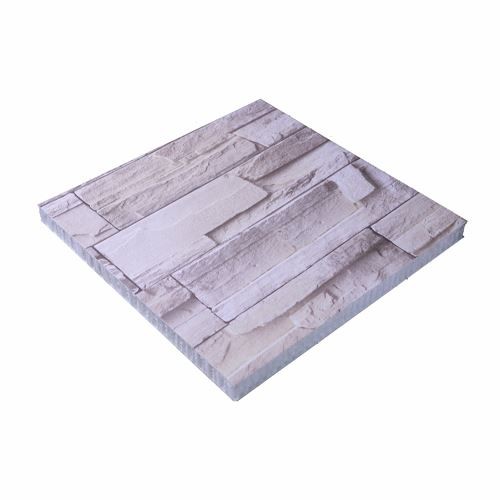
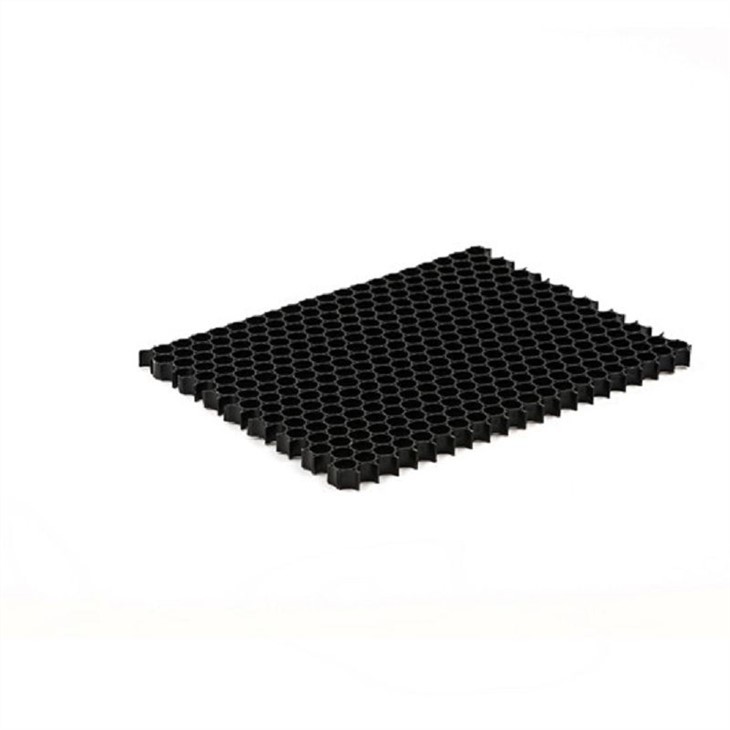
Composite materials, such as fiberglass - reinforced plastics or Thermoplastic Honeycomb Core, are becoming increasingly popular in the trucking industry. These materials can be designed to have a specific combination of strength, weight, and flexibility. The thickness of composite truck body panels can vary widely, but they are generally in the range of 1 - 3 mm, depending on the composition and the requirements of the truck.
Intended Use and Environment
The intended use of the truck and the environment in which it operates also play a role in determining the panel thickness. Trucks that operate in harsh environments, such as construction sites or mining areas, need thicker and more robust body panels. These panels are more likely to be exposed to scratches, dents, and impacts from rough terrain and heavy equipment.
Conversely, trucks used for urban delivery in relatively smooth and low - risk environments may have thinner body panels. For example, a food delivery truck operating in a city center may have thinner panels as it is less likely to encounter extreme conditions.
Importance of the Right Thickness
Selecting the appropriate thickness for truck body panels is of utmost importance for several reasons.
Structural Integrity
The right thickness ensures the structural integrity of the truck body. A panel that is too thin may not be able to withstand the normal stresses and strains of daily use, leading to premature failure, such as cracking or buckling. On the other hand, a panel that is too thick can add unnecessary weight to the truck, reducing fuel efficiency and increasing operating costs.
Safety
Thicker panels can provide better protection for the driver and passengers in the event of a collision. They can absorb more energy and prevent the intrusion of external objects into the cab, enhancing the overall safety of the vehicle.
Durability
Properly sized panels are more durable. They can resist corrosion, wear and tear, and environmental factors better. This means that the truck body will have a longer lifespan, reducing the need for frequent repairs and replacements.
Standard Thickness Ranges
As mentioned earlier, there is no single standard thickness for truck body panels. However, based on industry norms and common practices, we can define some general ranges.
For light - duty trucks, as stated, the body panels are typically between 0.8 mm and 1.2 mm when made of aluminum or composite materials, and 1.2 - 1.5 mm when made of steel.
Medium - duty trucks usually have body panels with a thickness of 1.2 - 2 mm for steel, 1 - 1.8 mm for aluminum, and 1.5 - 2.5 mm for composite materials.
Heavy - duty trucks often require body panels with a thickness of 1.5 - 3 mm for steel, 1.5 - 2.5 mm for aluminum, and 2 - 3 mm for composite materials.
It's important to note that these are just general guidelines, and the actual thickness may vary depending on the specific design and requirements of the truck.
Customization and Special Applications
In addition to the standard thickness ranges, many truck owners and operators require customized truck body panels. This could be due to specific design requirements, such as a unique shape or size of the truck, or for special applications.
For example, some trucks are used for transporting hazardous materials. These trucks need body panels that are not only thick enough to provide structural integrity but also have special coatings or materials to prevent leaks and protect against chemical corrosion.
Another example is the use of Honeycomb - building - panels in truck body construction. These panels offer a high strength - to - weight ratio and can be customized in terms of thickness and density to meet the specific needs of the truck.
Conclusion
In conclusion, the thickness of a standard truck body panel is a complex issue that depends on multiple factors, including the type of truck, the material used, the intended use, and the environment. As a supplier of Truck Body Panels, we understand the importance of providing panels that meet the specific requirements of our clients.
Whether you are a truck owner looking to replace a damaged panel or a manufacturer in need of high - quality body panels for new trucks, we are here to assist you. Our team of experts can help you select the right thickness and material for your truck, ensuring optimal performance, safety, and durability.
If you are interested in learning more about our truck body panels or would like to discuss your specific requirements, please feel free to reach out to us. We look forward to the opportunity to work with you and provide the best solutions for your trucking needs.
References
- Automotive Steel Alliance: "Guidelines for Truck Body Panel Design and Manufacturing"
- Aluminum Association: "Properties and Applications of Aluminum in the Trucking Industry"
- Composite Materials Institute: "Advances in Composite Truck Body Panel Technology"