

Hey there! I'm a supplier of Fibreglass Sandwich Panels, and I often get asked if these panels can be used in the food industry. Well, let's dive right into it and explore this question together.
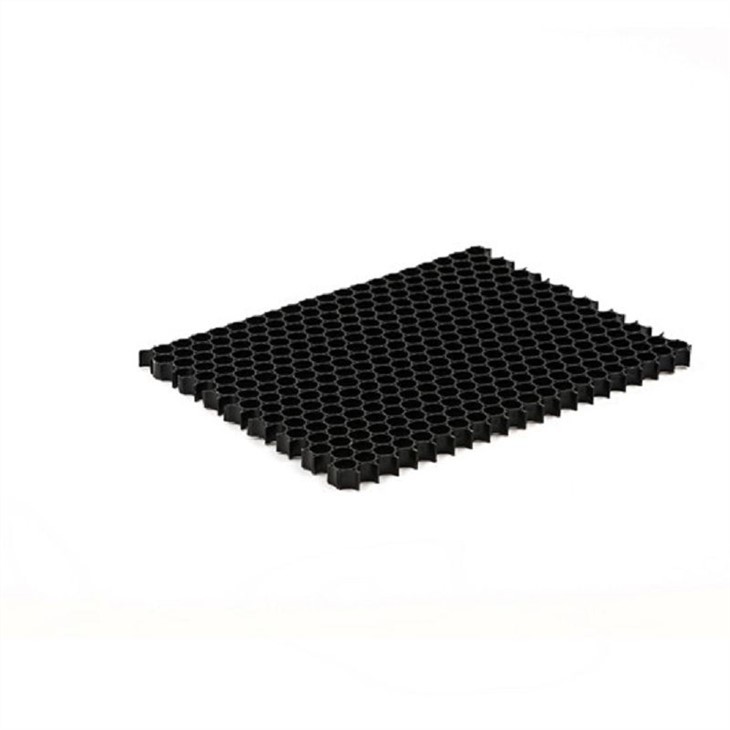
First off, let's understand what fibreglass sandwich panels are. These panels typically consist of two outer layers of fibreglass-reinforced plastic (FRP) sandwiching a core material. The core can vary, but common ones include foam, balsa wood, or Thermoplastic Honeycomb Core. The combination of the strong outer layers and the lightweight core gives these panels excellent strength-to-weight ratios, making them popular in various industries.
Now, when it comes to the food industry, there are some strict requirements and regulations that any material used must meet. One of the most important aspects is food safety. The materials used in contact with food need to be non-toxic, resistant to corrosion, and easy to clean and sanitize.
Fibreglass itself is generally considered a safe material. It's chemically inert, which means it doesn't react with most substances, including food. This is a huge plus when it comes to food safety. The outer fibreglass layers of the sandwich panels can be made with food-grade resins, which are specifically formulated to meet the strict standards set by food safety authorities.
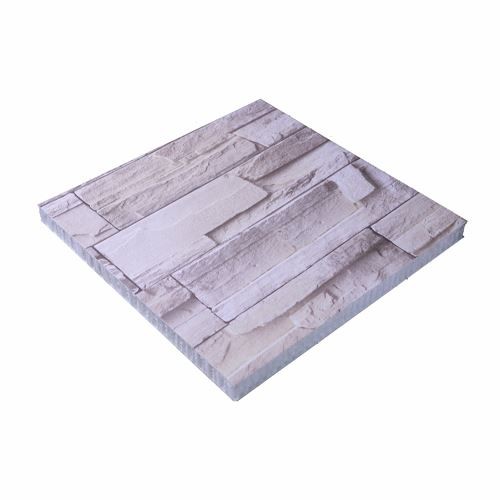
Another advantage of fibreglass sandwich panels in the food industry is their durability. They are resistant to impact, scratches, and abrasions. In a busy food processing or storage environment, where there's a lot of movement of equipment and products, panels that can withstand wear and tear are essential. This durability also means a longer lifespan for the panels, which can save money in the long run.
Cleanliness is also a top priority in the food industry. Fibreglass sandwich panels have a smooth surface, which makes them easy to clean. You can use common cleaning agents and sanitizers without worrying about damaging the panels. This smooth surface also prevents the growth of bacteria and other microorganisms, which is crucial for maintaining a hygienic food environment.
In terms of insulation, fibreglass sandwich panels can be a great choice. Many food products need to be stored or transported at specific temperatures. The insulation properties of these panels can help maintain a stable temperature inside food storage units, cold rooms, or transportation vehicles. This is especially important for perishable goods like dairy products, meats, and fresh produce.
However, there are also some considerations to keep in mind. One potential issue is the cost. Fibreglass sandwich panels can be more expensive than some other materials commonly used in the food industry, such as stainless steel or plastic. But when you factor in their long lifespan, durability, and performance, the cost may be justified.
Another thing to consider is the installation process. Proper installation is crucial to ensure the panels perform as expected. You need to make sure that the panels are installed correctly to prevent any gaps or seams where dirt and bacteria could accumulate. It's also important to use the right type of adhesives and fasteners that are suitable for the food industry.
Let's talk about some specific applications of fibreglass sandwich panels in the food industry. They can be used in the construction of food processing facilities. For example, they can be used to build walls, partitions, and ceilings in areas where food is prepared, cooked, or packaged. The panels can also be used in the manufacturing of food storage units, such as cold rooms and freezers. Honeycomb-building-panels can be a great option for these applications, as they offer a good balance of strength and insulation.
In the transportation of food products, fibreglass sandwich panels can be used to line the interiors of trucks, trailers, and containers. This helps to protect the food from external elements and maintain the desired temperature during transit.
So, can fibreglass sandwich panels be used in the food industry? The answer is yes, they can. With their food safety features, durability, ease of cleaning, and insulation properties, they have a lot to offer. However, it's important to carefully consider the specific requirements of your project, including cost and installation, before making a decision.
If you're in the food industry and thinking about using fibreglass sandwich panels for your next project, I'd love to have a chat with you. I can provide you with more detailed information about our products, including different core materials, panel thicknesses, and finishes. We can also discuss how our panels can be customized to meet your specific needs. Whether you're building a new food processing facility, upgrading your storage units, or looking for a solution for food transportation, we're here to help. Just reach out, and let's start a conversation about how fibreglass sandwich panels can benefit your business.
References:
- Industry reports on food safety standards
- Technical data sheets on fibreglass sandwich panels
- Case studies on the use of fibreglass panels in the food industry