

Hey there, folks! As a supplier of Honeycomb Building Panels, I often get asked about the tensile strength of these panels. It's a super important aspect, especially when you're thinking about using them for construction or other building projects. So, let's dive right in and explore what the tensile strength of honeycomb building panels is all about.
First off, let's understand what tensile strength means. Tensile strength is basically the maximum amount of tensile (pulling) stress that a material can withstand before it breaks or fails. In the context of honeycomb building panels, it tells us how much pulling force the panels can handle without getting damaged.
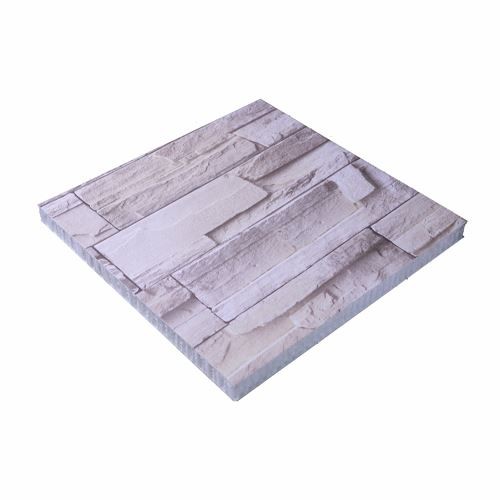
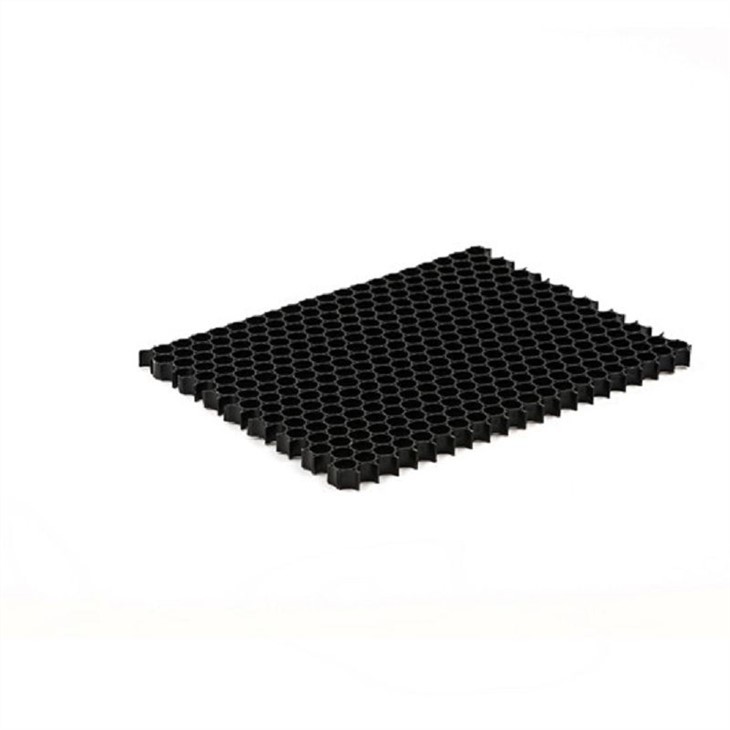
Honeycomb building panels are made up of a unique construction. They typically have a honeycomb core, which is surrounded by face sheets. The honeycomb core, often made of materials like Thermoplastic Honeycomb Core, gives the panel its lightweight yet strong structure. The face sheets, on the other hand, can be made of various materials such as metals, plastics, or composites, and they play a crucial role in protecting the core and enhancing the overall strength of the panel.
Now, the tensile strength of honeycomb building panels depends on several factors. One of the key factors is the material used for the honeycomb core. Different materials have different inherent strengths. For example, a thermoplastic honeycomb core might have a different tensile strength compared to a paper-based honeycomb core. Thermoplastic materials are known for their durability and relatively high strength, which can contribute to a higher tensile strength for the overall panel.
The thickness and density of the honeycomb structure also matter. A thicker honeycomb core or one with a higher density can generally withstand more pulling force. This is because a thicker or denser core provides more material to resist the stress, similar to how a thicker rope can handle more weight when pulled.
The quality of the face sheets and how well they are bonded to the honeycomb core are also significant. If the face sheets are well - made and firmly attached to the core, they can distribute the tensile stress more evenly across the panel. This means that the panel can handle more pulling force without the face sheets peeling off or the core being damaged.
Let's talk about some real - world applications to understand the importance of tensile strength. In construction, honeycomb building panels are used for things like roofing, wall cladding, and partitions. When these panels are used in roofing, they need to withstand the forces of wind, which can exert a pulling effect on the panels. If the tensile strength is too low, the panels might start to come loose or even get torn off during strong winds.
For wall cladding, the panels need to handle the weight of themselves and any additional loads, such as snow or equipment attached to the wall. If the tensile strength is not sufficient, the panels could crack or separate from the building structure over time.
In the transportation industry, honeycomb panels are used in the interiors of vehicles like trains and airplanes. Here, they need to withstand the vibrations and forces during movement. A panel with good tensile strength can better resist the pulling forces caused by acceleration, deceleration, and turning.
So, how do we measure the tensile strength of honeycomb building panels? Well, there are standard testing methods. These tests usually involve clamping the panel at both ends and then applying a gradually increasing pulling force until the panel fails. The maximum force applied before failure is recorded as the tensile strength. The results are usually reported in units like pounds per square inch (psi) or megapascals (MPa).
In general, the tensile strength of honeycomb building panels can vary widely depending on the specific design and materials used. Some high - quality panels can have a tensile strength in the range of several thousand psi. However, it's important to note that the actual strength you need for your project depends on the specific requirements. For a small DIY project, you might not need a panel with extremely high tensile strength, but for a large - scale commercial building, you'll definitely want to choose panels with a high enough strength to ensure safety and durability.
If you're in the market for honeycomb building panels and want to know more about their tensile strength, you can check out our Honeycomb - building - panels page. We offer a wide range of panels with different specifications and tensile strengths to meet your various needs. Whether you're a contractor working on a big construction project or a homeowner looking to renovate, we've got the right panels for you.
We're always here to help you make the best choice. Our team of experts can answer all your questions about the tensile strength of our panels and how they'll perform in your specific application. If you're interested in purchasing our honeycomb building panels, don't hesitate to reach out. We're ready to have a chat with you and discuss your project requirements. We can provide you with detailed information, samples, and quotes to help you make an informed decision.
So, if you're looking for reliable honeycomb building panels with the right tensile strength for your project, get in touch with us. Let's work together to make your building dreams a reality!
References
- Engineering Materials Science textbooks
- Industry reports on honeycomb building panels properties