

As a supplier of Non Woven Honeycomb Panels, I often encounter inquiries regarding various properties of our products, and one question that comes up frequently is about the moisture absorption rate. In this blog, I'll delve into what the moisture absorption rate of Non Woven Honeycomb Panels is, why it matters, and how it affects the performance of these panels.
Understanding Moisture Absorption Rate
The moisture absorption rate refers to the amount of water vapor that a material can absorb from its surrounding environment under specific conditions, typically expressed as a percentage of the material's dry weight. For Non Woven Honeycomb Panels, this rate is crucial as it can impact their structural integrity, durability, and overall performance.
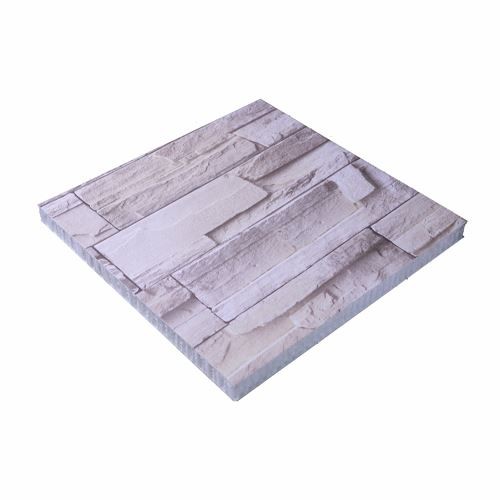
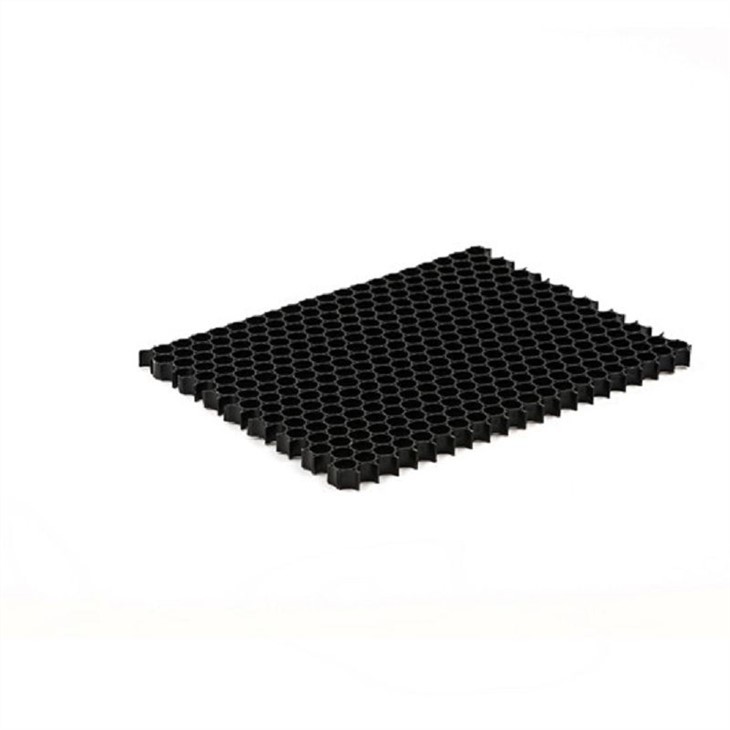
Non Woven Honeycomb Panels are made from non - woven materials arranged in a honeycomb structure. The non - woven nature of the material gives it certain advantages in terms of flexibility, light - weight, and cost - effectiveness. However, it also influences how the panel interacts with moisture.
Factors Affecting the Moisture Absorption Rate of Non Woven Honeycomb Panels
Material Composition
The type of fibers used in the non - woven material plays a significant role. Synthetic fibers such as polypropylene, polyester, and nylon generally have lower moisture absorption rates compared to natural fibers like cotton or wool. Polypropylene, for example, is hydrophobic, meaning it repels water. As a result, Non Woven Honeycomb Panels made from polypropylene fibers will have a relatively low moisture absorption rate.
Density and Porosity
The density of the non - woven material and the porosity of the honeycomb structure also affect moisture absorption. A higher density non - woven material may have fewer voids for water vapor to penetrate, leading to a lower moisture absorption rate. Similarly, a honeycomb structure with smaller cells or less open space will restrict the entry of moisture, reducing the overall absorption.
Environmental Conditions
The surrounding temperature and humidity levels have a direct impact on the moisture absorption rate. In a high - humidity environment, the panels are more likely to absorb moisture. Additionally, elevated temperatures can increase the kinetic energy of water molecules, making it easier for them to be absorbed by the material.
Measuring the Moisture Absorption Rate
To determine the moisture absorption rate of Non Woven Honeycomb Panels, a standard testing method is usually employed. First, a sample of the panel is dried in an oven at a specific temperature until it reaches a constant weight, which is considered the dry weight. Then, the sample is placed in a controlled environment with a known temperature and humidity for a set period. After this exposure, the sample is weighed again. The difference between the final weight and the dry weight is calculated, and the moisture absorption rate is expressed as a percentage of the dry weight.
For example, if a dry sample of a Non Woven Honeycomb Panel weighs 100 grams and after exposure to a high - humidity environment, it weighs 102 grams, the moisture absorption rate is ((102 - 100)/100\times100%=2%).
Importance of Moisture Absorption Rate in Non Woven Honeycomb Panels
Structural Integrity
High moisture absorption can lead to swelling of the non - woven material, which may cause the honeycomb structure to deform. This deformation can compromise the panel's strength and stiffness, reducing its ability to support loads. Over time, repeated cycles of moisture absorption and drying can also cause the fibers to weaken, leading to a shorter lifespan of the panel.
Resistance to Mold and Mildew
Moisture - laden panels are more susceptible to mold and mildew growth. Mold not only affects the appearance of the panels but can also pose health risks, especially in indoor applications. A low moisture absorption rate helps to keep the panels dry, reducing the likelihood of mold and mildew formation.
Performance in Different Applications
In applications where the panels are exposed to the elements, such as in outdoor construction or automotive components, a low moisture absorption rate is essential. For example, in Honeycomb - building - panels used in exterior walls, a high moisture absorption rate could lead to water damage, insulation loss, and corrosion of adjacent materials.
Comparing with Other Materials
When compared to traditional building materials like wood or gypsum boards, Non Woven Honeycomb Panels generally have a lower moisture absorption rate. Wood, for instance, can absorb a significant amount of moisture, which can cause warping, cracking, and decay. Gypsum boards are also prone to water damage, especially in high - humidity environments. The low moisture absorption rate of Non Woven Honeycomb Panels makes them a more reliable choice in moisture - sensitive applications.
Impact of Moisture Absorption on Thermoplastic Honeycomb Core
If our Non Woven Honeycomb Panels incorporate a Thermoplastic Honeycomb Core, the moisture absorption rate of the core also needs to be considered. Thermoplastic materials, while generally having good moisture resistance, can still absorb some moisture. Excessive moisture absorption in the core can affect its thermal properties, such as its ability to insulate. It can also impact the bonding between the non - woven layers and the core, potentially leading to delamination.
Controlling the Moisture Absorption Rate
To ensure that our Non Woven Honeycomb Panels have an optimal moisture absorption rate, we take several measures during the manufacturing process. We carefully select the raw materials, favoring fibers with low moisture absorption characteristics. We also optimize the density and porosity of the non - woven material and the honeycomb structure to minimize moisture entry.
In addition, we can apply coatings or treatments to the panels to further enhance their moisture resistance. These coatings act as a barrier, preventing water vapor from reaching the non - woven material.
Applications of Non Woven Honeycomb Panels Based on Moisture Absorption Rate
Interior Design
Due to their low moisture absorption rate, Non Woven Honeycomb Panels are suitable for interior wall coverings, partitions, and ceiling panels. They can maintain their appearance and performance in normal indoor humidity conditions without the risk of warping or mold growth.
Packaging
In the packaging industry, these panels are used to protect fragile items. The low moisture absorption rate ensures that the packaging remains intact during storage and transportation, even in environments with fluctuating humidity levels.
Conclusion
The moisture absorption rate of Non Woven Honeycomb Panels is a critical property that affects their performance, durability, and suitability for various applications. By understanding the factors that influence this rate and taking appropriate measures to control it, we can provide high - quality panels that meet the needs of our customers.
If you are interested in learning more about our Non Woven Honeycomb Panels or have specific requirements regarding moisture absorption rate for your project, we invite you to contact us for a detailed discussion and potential procurement. Our team of experts is ready to assist you in finding the best solution for your needs.
References
- ASTM International. Standard Test Methods for Determining Water Vapor Transmission of Materials.
- Textile Institute. Handbook of Textile Fibres: Volume 1: Natural Fibres.