

Hey there! As a supplier of PET honeycomb panels, I've been getting a lot of questions lately about how these panels stack up against other honeycomb panel materials. So, I thought I'd take some time to break it down for you all.
What Are Honeycomb Panels Anyway?
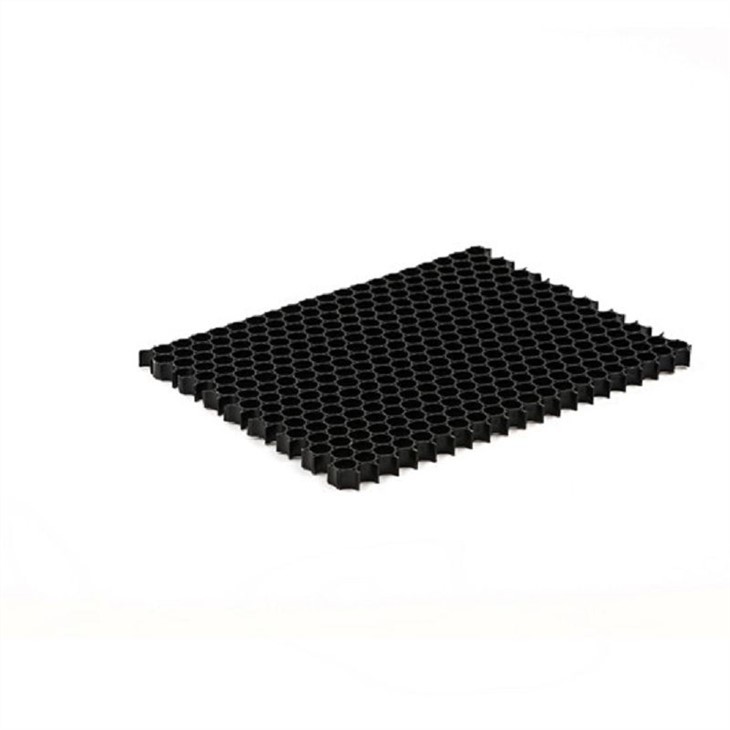
Before we jump into the comparison, let's quickly go over what honeycomb panels are. Honeycomb panels are composite materials that consist of a honeycomb-shaped core sandwiched between two face sheets. This unique structure gives them a high strength-to-weight ratio, making them popular in various industries, from aerospace to construction.
The Players in the Honeycomb Panel Game
There are several materials used to make honeycomb cores, each with its own set of pros and cons. The most common ones include aluminum, paper, and thermoplastic. Let's take a closer look at each of them and see how they compare to PET honeycomb panels.
Aluminum Honeycomb Panels
Aluminum honeycomb panels are well-known for their excellent strength and durability. They're often used in applications where high structural integrity is required, such as in the aerospace and automotive industries. The aluminum core provides good resistance to corrosion and can withstand high temperatures.
However, aluminum honeycomb panels also have some drawbacks. They're relatively heavy compared to other materials, which can be a problem in applications where weight is a concern. They're also more expensive to produce, which can drive up the cost of the final product.
Paper Honeycomb Panels
Paper honeycomb panels are a cost-effective option that's commonly used in packaging and display applications. They're lightweight and easy to work with, making them a popular choice for designers and manufacturers. Paper honeycomb cores are also biodegradable, which makes them an environmentally friendly option.
But paper honeycomb panels have their limitations. They're not as strong as aluminum or PET honeycomb panels and are more susceptible to damage from moisture and humidity. This means they're not suitable for applications where the panels will be exposed to harsh environmental conditions.
Thermoplastic Honeycomb Panels
Thermoplastic honeycomb panels, like our Thermoplastic Honeycomb Core, are made from a variety of thermoplastic materials, such as polypropylene. They offer a good balance of strength, weight, and cost, making them a versatile option for many applications.
Thermoplastic honeycomb panels are lightweight, which makes them ideal for applications where weight is a critical factor. They're also resistant to chemicals and moisture, which makes them suitable for use in harsh environments. Additionally, thermoplastic honeycomb panels can be recycled, which is a big plus for environmentally conscious consumers.
How PET Honeycomb Panels Compare
Now, let's talk about how PET honeycomb panels stack up against these other materials. PET, or polyethylene terephthalate, is a thermoplastic polymer that's commonly used in the production of plastic bottles and food containers. When used as a honeycomb core material, PET offers several advantages.
Strength and Durability
PET honeycomb panels have a high strength-to-weight ratio, which means they can provide excellent structural support while remaining lightweight. This makes them suitable for a wide range of applications, from furniture and interior design to transportation and construction.
In addition to their strength, PET honeycomb panels are also very durable. They're resistant to impact, abrasion, and chemicals, which means they can withstand the rigors of daily use without showing signs of wear and tear. This makes them a great choice for applications where the panels will be exposed to heavy traffic or harsh conditions.
Lightweight
One of the biggest advantages of PET honeycomb panels is their lightweight nature. Compared to aluminum honeycomb panels, PET honeycomb panels can be up to 70% lighter, which can significantly reduce the weight of the final product. This is especially important in applications where weight is a critical factor, such as in the aerospace and automotive industries.
The lightweight nature of PET honeycomb panels also makes them easier to handle and install. They can be cut, drilled, and shaped using standard woodworking tools, which makes them a popular choice for DIY projects and small-scale manufacturing.
Cost-Effectiveness
PET honeycomb panels are also a cost-effective option compared to other honeycomb panel materials. They're less expensive to produce than aluminum honeycomb panels and offer similar levels of strength and durability. This makes them a great choice for applications where cost is a concern, such as in the construction and furniture industries.
Environmental Friendliness
Another advantage of PET honeycomb panels is their environmental friendliness. PET is a recyclable material, which means that at the end of its life cycle, the panels can be recycled and used to make new products. This helps to reduce waste and conserve natural resources.
In addition to being recyclable, PET honeycomb panels are also made from a material that's free from harmful chemicals and toxins. This makes them a safe and healthy option for use in a variety of applications, including food packaging and interior design.
Applications of PET Honeycomb Panels
Thanks to their unique combination of strength, lightweight, cost-effectiveness, and environmental friendliness, PET honeycomb panels are used in a wide range of applications. Here are just a few examples:
Furniture and Interior Design
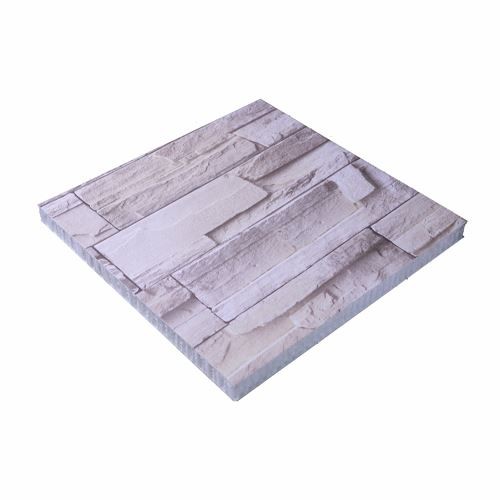
PET honeycomb panels are a popular choice for furniture and interior design applications. They can be used to make lightweight and durable furniture pieces, such as tables, chairs, and cabinets. They're also commonly used in wall panels, partitions, and ceiling tiles to add a modern and stylish touch to interior spaces.
Transportation
In the transportation industry, PET honeycomb panels are used to reduce the weight of vehicles and improve fuel efficiency. They're commonly used in the construction of aircraft, trains, and automobiles to make lightweight and strong structural components, such as floors, walls, and ceilings.
Construction
PET honeycomb panels are also used in the construction industry to make lightweight and energy-efficient building materials. They can be used in the construction of walls, roofs, and floors to provide excellent insulation and structural support. They're also commonly used in the production of Honeycomb-building-panels for prefabricated buildings and modular homes.
Conclusion
So, there you have it! That's how PET honeycomb panels compare to other honeycomb panel materials. As you can see, PET honeycomb panels offer a unique combination of strength, lightweight, cost-effectiveness, and environmental friendliness, making them a versatile option for a wide range of applications.
If you're interested in learning more about PET honeycomb panels or are looking for a reliable supplier, I'd love to hear from you. Whether you're working on a small DIY project or a large-scale industrial application, I can help you find the right PET honeycomb panels for your needs. Just reach out to me, and we can start discussing your project and how PET honeycomb panels can benefit you.
References
- Various industry reports on honeycomb panel materials
- Technical specifications of PET, aluminum, paper, and thermoplastic honeycomb panels
- Case studies of applications using different honeycomb panel materials