

Hey there! As a supplier of Non Woven Honeycomb Panels, I'm super excited to share with you all about what goes into these amazing products.
So, let's start from the basics. Non Woven Honeycomb Panels are a type of composite material that's becoming increasingly popular in various industries. They've got a unique structure and a bunch of great properties that make them stand out.
The Core: Thermoplastic Honeycomb Core
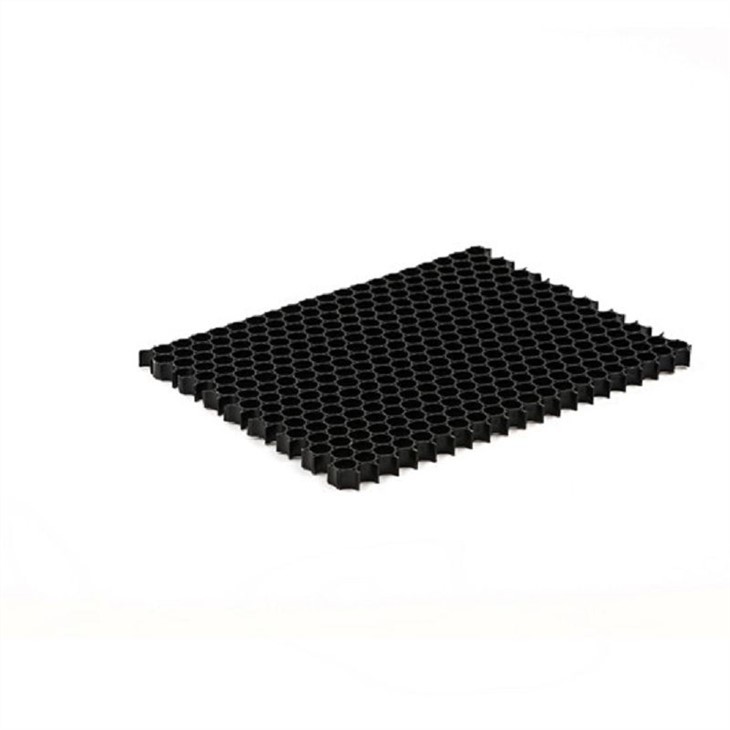
The heart of a Non Woven Honeycomb Panel is its core, and in many cases, it's a Thermoplastic Honeycomb Core. This core is made from thermoplastic materials, which are plastics that can be melted and reshaped multiple times. The honeycomb structure of the core is what gives the panel its strength and lightness.
Think of it like a beehive. The hexagonal cells in a honeycomb are incredibly efficient in distributing weight and providing support. In the same way, the thermoplastic honeycomb core in our panels distributes stress evenly across the panel, making it resistant to bending and impact.
The thermoplastic materials used in the core can vary. Polypropylene is a common choice because it's lightweight, durable, and has good chemical resistance. It can withstand a wide range of temperatures, which makes it suitable for both indoor and outdoor applications.
The Non - Woven Layers
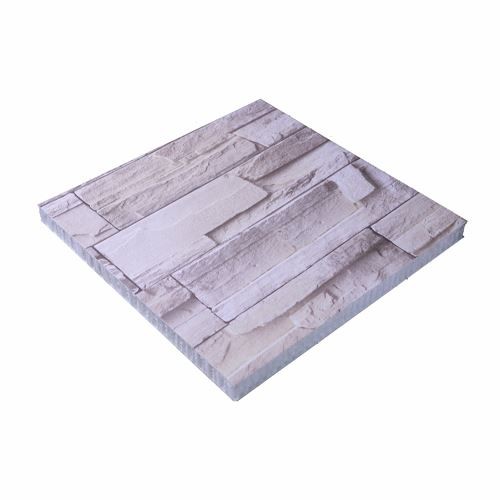
On top of the honeycomb core, we have the non - woven layers. Non - woven materials are made by bonding or entangling fibers together rather than weaving them like traditional fabrics. These layers play a crucial role in the overall performance of the panel.
One of the main functions of the non - woven layers is to protect the honeycomb core. They act as a barrier against dust, moisture, and other environmental factors. This helps to extend the lifespan of the panel and maintain its structural integrity.
The non - woven layers also add to the aesthetic appeal of the panel. They can be customized in terms of color, texture, and surface finish. Whether you're looking for a smooth, shiny surface or a more textured look, we can make it happen.
In addition, the non - woven layers can enhance the acoustic and thermal insulation properties of the panel. They can absorb sound waves and reduce heat transfer, making the panel a great choice for buildings where energy efficiency and noise reduction are important.
Adhesive and Bonding
To hold everything together, we use high - quality adhesives. The adhesive is applied between the honeycomb core and the non - woven layers to create a strong bond. This bonding process is crucial because it ensures that the panel remains stable and doesn't delaminate over time.
We carefully select adhesives that are compatible with the materials used in the panel. They need to have good adhesion strength, flexibility, and resistance to environmental factors. This way, the panel can maintain its performance even under harsh conditions.
Applications of Non Woven Honeycomb Panels
Non Woven Honeycomb Panels have a wide range of applications. In the construction industry, they're used for Honeycomb - building - panels. They can be used for interior partitions, wall cladding, and ceiling panels. Their lightweight nature makes them easy to install, and their insulation properties help to reduce energy costs.
In the transportation industry, these panels are used in the manufacturing of aircraft, trains, and automobiles. They help to reduce the weight of the vehicle, which in turn improves fuel efficiency. Their strength and impact resistance also make them a safe choice for these applications.
The packaging industry also benefits from Non Woven Honeycomb Panels. They can be used to make protective packaging for fragile items. The honeycomb structure provides excellent cushioning, and the non - woven layers can be designed to be anti - static or moisture - resistant.
Quality Control
As a supplier, we take quality control very seriously. We have a strict quality control process in place to ensure that every panel we produce meets the highest standards.
We start by carefully selecting the raw materials. We work with trusted suppliers to source high - quality thermoplastic materials for the core and non - woven fibers for the layers. Before using any material, we test it for its physical and chemical properties.
During the manufacturing process, we monitor every step closely. We use advanced machinery and technology to ensure that the honeycomb core is formed correctly and that the non - woven layers are bonded evenly. We also conduct regular inspections to check for any defects or inconsistencies.
Once the panels are finished, we perform a final quality check. We test the panels for strength, durability, and other performance indicators. Only panels that pass our rigorous testing are sent out to our customers.
Why Choose Our Non Woven Honeycomb Panels
There are several reasons why you should choose our Non Woven Honeycomb Panels. Firstly, we offer a high - quality product. Our panels are made using the best materials and manufacturing processes, so you can be confident in their performance.
Secondly, we provide customization options. Whether you need a specific size, color, or performance feature, we can work with you to create a panel that meets your exact requirements.
Thirdly, we have a great customer service team. We're always here to answer your questions, provide technical support, and help you with your procurement process.
If you're interested in purchasing Non Woven Honeycomb Panels for your project, don't hesitate to get in touch. We'd love to have a chat with you about your needs and see how we can help. Whether you're a small - scale contractor or a large - scale manufacturer, we've got the right solution for you.
References
- "Handbook of Composite Materials" - This book provides in - depth information about composite materials, including honeycomb panels.
- Industry research reports on thermoplastic materials and non - woven fabrics, which offer insights into the latest trends and technologies in these areas.