

As a supplier of PP Honeycomb Panels, I've had numerous inquiries about the chemical stability of these versatile products. In this blog, I'll delve into what chemical stability means for PP Honeycomb Panels, factors affecting it, and its implications for various applications.
Understanding Chemical Stability
Chemical stability refers to a material's ability to resist chemical reactions, degradation, or changes in its properties when exposed to different chemical substances. For PP Honeycomb Panels, which are made from polypropylene (PP), a thermoplastic polymer, this stability is a crucial characteristic that determines their performance in diverse environments.
Polypropylene is known for its excellent chemical resistance. It has a high resistance to many common chemicals, including acids, alkalis, and organic solvents. This is due to its non - polar molecular structure, which makes it less likely to react with polar chemicals. The honeycomb structure of the panel further enhances its overall performance and can also contribute to its chemical stability in some cases.
Factors Affecting the Chemical Stability of PP Honeycomb Panels
1. Chemical Exposure
The type of chemicals the panel comes into contact with plays a significant role. Mild chemicals like water and weak acids or bases usually have little effect on PP Honeycomb Panels. For example, in a normal indoor environment where the panels might be used for partition walls, exposure to water vapor or occasional spills of mild cleaning agents will not cause any significant degradation.
However, strong oxidizing agents, such as concentrated nitric acid or chromic acid, can attack the polypropylene chains, leading to chain scission and a reduction in the panel's mechanical properties. Similarly, some organic solvents like benzene, toluene, and xylene can swell the polypropylene over time, causing it to lose its shape and integrity.
2. Temperature
Temperature has a profound impact on the chemical stability of PP Honeycomb Panels. At elevated temperatures, the chemical reactivity of polypropylene increases. The mobility of the polymer chains becomes higher, making it easier for chemicals to penetrate the material. For instance, at temperatures above 80°C, the resistance of PP to some chemicals may start to decline. In a hot industrial environment where the panels are exposed to chemicals and high temperatures simultaneously, the risk of chemical degradation is much higher.
On the other hand, at low temperatures, the polypropylene becomes more brittle. While this doesn't directly affect its chemical stability in terms of reactivity, it can make the panel more prone to cracking if it experiences any mechanical stress during chemical exposure.
3. Duration of Exposure
The longer the PP Honeycomb Panel is exposed to a chemical, the greater the chance of degradation. Even a relatively mild chemical can cause some degree of damage if the exposure is prolonged. For example, continuous immersion in a weak alkaline solution over several months may gradually change the surface properties of the panel, such as its gloss and smoothness.
Implications for Different Applications
1. Building and Construction
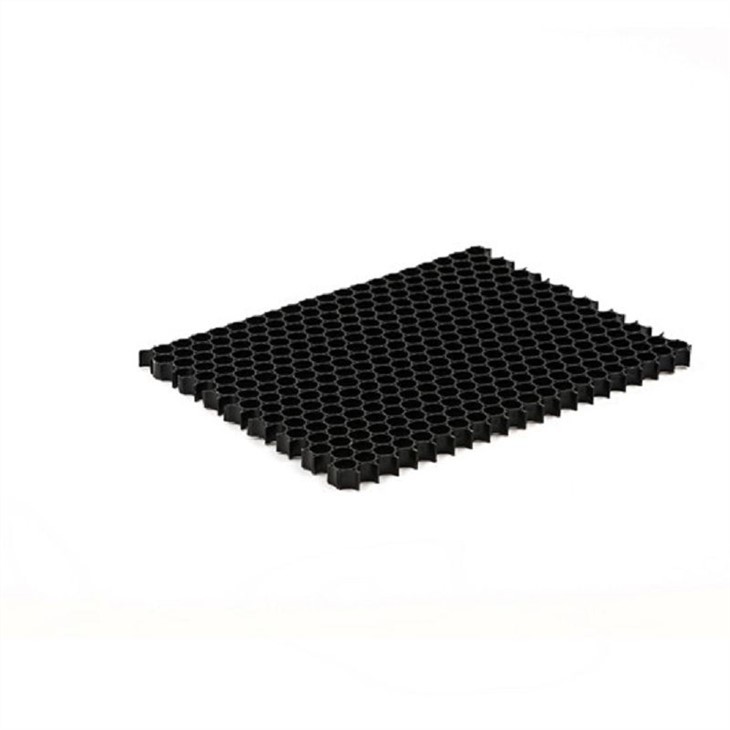
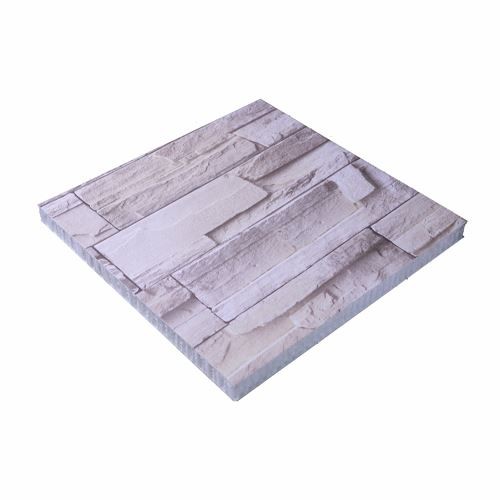
In the building and construction industry, PP Honeycomb Panels are used for various purposes, such as Honeycomb - building - panels. Their chemical stability makes them suitable for both indoor and outdoor applications. Indoors, they can be used for wall partitions, ceilings, and furniture components. The panels can withstand normal household chemicals, such as detergents and disinfectants, without significant damage.
Outdoors, they are resistant to environmental factors like rainwater (which may contain some dissolved acids or salts), UV radiation, and air pollutants. However, in areas with high levels of industrial pollution, where the air may contain sulfur dioxide or other acidic gases, the long - term chemical stability of the panels needs to be carefully considered.
2. Packaging
PP Honeycomb Panels are widely used in packaging due to their lightweight and shock - absorbing properties. Their chemical stability is crucial when packaging products that may have chemical residues or release volatile chemicals. For example, when packaging electronic components, the panels need to resist the chemicals used in the manufacturing process of the components, such as fluxes and cleaning agents.
In the food packaging industry, the panels must be compliant with food - contact regulations. Polypropylene is generally considered safe for food contact because of its chemical stability and low migration of substances into the food.
3. Transportation
In the transportation industry, PP Honeycomb Panels are used for interior trim, partitions, and even some structural components in vehicles. They need to withstand various chemicals found in vehicles, such as fuel, lubricants, and cleaning agents. The panels' chemical stability ensures that they can maintain their performance over the long - term, even in the harsh environment of a vehicle.
Testing and Ensuring Chemical Stability
To ensure the chemical stability of our PP Honeycomb Panels, we conduct a series of tests. These include immersion tests in different chemicals for a specified period at different temperatures. We also perform chemical resistance tests using standardized methods to measure the change in mechanical properties, such as tensile strength and hardness, after chemical exposure.
In addition, we work closely with our customers to understand their specific application requirements. Based on this, we can recommend the most suitable type of PP Honeycomb Panel and provide guidance on proper handling and maintenance to maximize its chemical stability.
Conclusion
The chemical stability of PP Honeycomb Panels is a key factor that determines their suitability for a wide range of applications. Thanks to the inherent chemical resistance of polypropylene, these panels can perform well in many environments. However, factors such as chemical exposure, temperature, and duration of exposure need to be carefully considered.
If you are interested in our PP Honeycomb Panels and want to discuss your specific requirements regarding chemical stability or any other aspect, please feel free to contact us for a detailed discussion and potential procurement. We are committed to providing high - quality products that meet your needs.
References
- "Polymer Science and Technology" by James E. Mark
- "Handbook of Thermoplastics" edited by O. Olabisi