

Hey there! As a supplier of PP Honeycomb Core, I often get asked about the chemical resistance of this amazing product. So, let's dive right in and explore what makes PP Honeycomb Core so resistant to a wide range of chemicals.
First off, PP stands for polypropylene. Polypropylene is a thermoplastic polymer that's known for its excellent chemical resistance. This property makes PP Honeycomb Core a top - pick in various industries where exposure to different chemicals is inevitable.
How Does PP Honeycomb Core Resist Chemicals?
The molecular structure of polypropylene plays a huge role in its chemical resistance. Polypropylene consists of long chains of propylene monomers. These chains are non - polar, which means they don't have a positive or negative end like some other molecules. This non - polarity makes polypropylene less likely to react with polar chemicals.
In the world of chemistry, "like dissolves like." Polar solvents can dissolve polar substances, and non - polar solvents can dissolve non - polar substances. Since PP Honeycomb Core is made of non - polar polypropylene, it doesn't mix well with most polar chemicals. This is a key factor in its ability to resist chemical attacks.
Resistance to Different Types of Chemicals
Acids and Bases
PP Honeycomb Core shows good resistance to many common acids and bases. For instance, it can withstand weak acids like acetic acid, which is found in vinegar. In industrial applications, it can resist mild hydrochloric acid solutions up to a certain concentration.
When it comes to bases, it has decent resistance to sodium hydroxide at low to moderate concentrations. However, it's important to note that very strong concentrated acids and bases can still have an impact on the material over time. Extreme pH levels can cause some degradation of the polypropylene structure, but this usually happens under long - term exposure or in harsh conditions.
Organic Solvents
Many organic solvents can't easily break down PP Honeycomb Core. Solvents like toluene and xylene, which are commonly used in the paint and printing industries, generally don't have a significant effect on polypropylene. Ethanol, a widely used solvent in laboratories and industrial cleaning, also doesn't dissolve or significantly damage PP Honeycomb Core.
However, some chlorinated solvents, such as carbon tetrachloride, can cause swelling or even dissolution of polypropylene under certain conditions. So, when using PP Honeycomb Core in an environment with chlorinated solvents, proper precautions should be taken.
Oxidizing Agents
Oxidizing agents are substances that can cause oxidation, which is a chemical reaction that can break down materials. PP Honeycomb Core has some resistance to weak oxidizing agents. Hydrogen peroxide at low concentrations is usually well - tolerated. But strong oxidizing agents like concentrated nitric acid or potassium permanganate can react with polypropylene and cause degradation.
Applications Based on Chemical Resistance
The chemical resistance of PP Honeycomb Core makes it suitable for a wide range of applications.
Chemical Storage Tanks
In the chemical industry, storage of various chemicals is a big concern. PP Honeycomb Core can be used as an internal lining or part of the structure in small - to medium - sized chemical storage tanks. Its chemical resistance helps prevent the chemical contents from corroding the tank walls and ensures long - term storage.
Industrial Equipment Enclosures
Many industrial machines and equipment are exposed to chemicals during operation. PP Honeycomb Core can be used to make enclosures for these machines. It protects the internal components from chemical splashes and fumes, extending the life of the equipment.
Building Construction
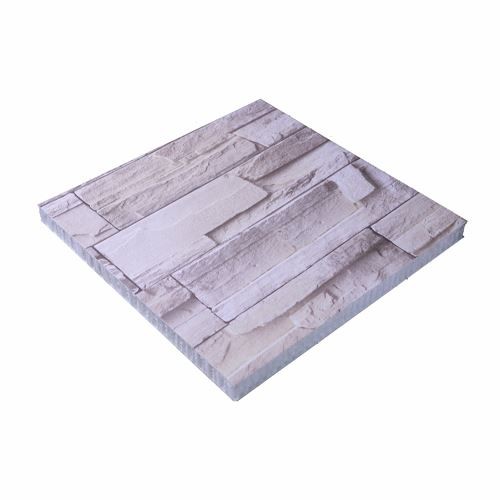
In construction, especially in areas where chemical exposure is possible, like in some factories or chemical storage areas, Honeycomb - building - panels made from PP Honeycomb Core can be used. They provide a durable and chemically resistant building material.
Comparing with Other Materials
Compared to other materials like metal or some types of plastics, PP Honeycomb Core has its own advantages in terms of chemical resistance. Metals are often prone to rust and corrosion when exposed to certain chemicals, especially acids and salts. Even stainless steel can be affected over time by strong acids.
Some other plastics may not have the same level of chemical resistance as polypropylene. For example, PVC (polyvinyl chloride) can be more susceptible to attack by certain solvents and oxidizing agents.
On the flip side, PP Honeycomb Core may not be as strong as some metals in terms of mechanical strength. So, in applications where high mechanical strength is required along with chemical resistance, a combination of materials may be needed.
Limitations and Considerations
While PP Honeycomb Core has great chemical resistance, it's not indestructible. As mentioned before, extreme conditions, such as high temperatures combined with strong chemicals, can accelerate the degradation process.
UV radiation can also have an impact on the long - term performance of PP Honeycomb Core. Over time, exposure to sunlight can cause the material to become brittle and less chemically resistant. So, if the product is going to be used outdoors, proper UV protection measures should be considered.
Testing for Chemical Resistance
Before using PP Honeycomb Core in a specific application, it's a good idea to conduct chemical resistance tests. These tests can help determine how the material will perform in the actual chemical environment.
One common test is the immersion test. A sample of the PP Honeycomb Core is immersed in the chemical for a certain period of time, and then its physical and chemical properties are measured. This includes checking for changes in weight, size, hardness, and visual appearance.
The Future of PP Honeycomb Core and Chemical Resistance
As industries continue to develop and demand materials with better performance, PP Honeycomb Core is likely to see further improvements in its chemical resistance. Scientists and researchers are always looking for ways to modify the polypropylene structure to make it more resistant to a wider range of chemicals and harsher conditions.
For example, new additives can be incorporated into the polypropylene during the manufacturing process to enhance its chemical - resistant properties. These additives can act as a barrier or increase the stability of the material.
Contact Us for Your PP Honeycomb Core Needs
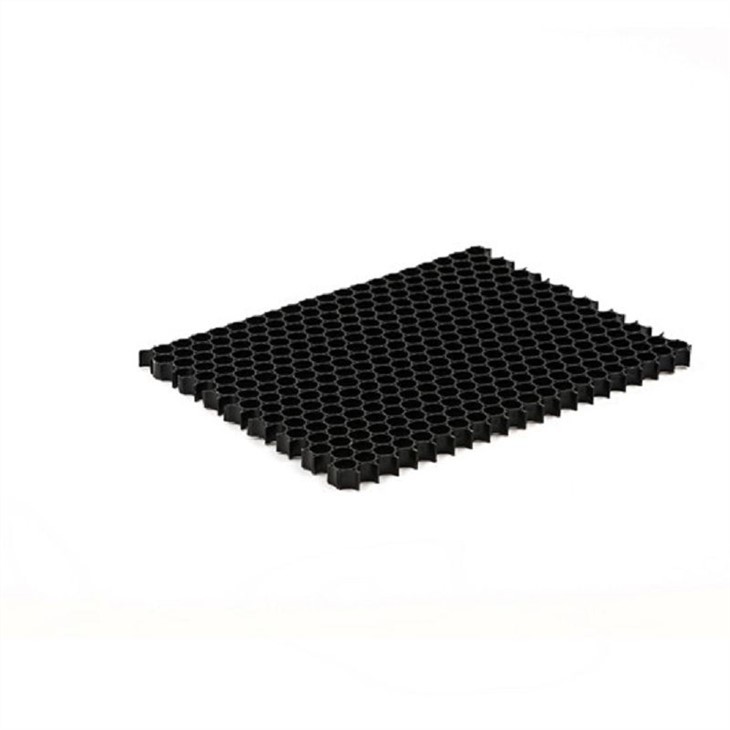
If you're in the market for high - quality PP Honeycomb Core with excellent chemical resistance, look no further. We supply a wide range of Thermoplastic Honeycomb Core products that are suitable for various applications. Whether you need it for chemical storage, industrial equipment, or building construction, we've got you covered.
If you have any questions or want to discuss a specific project, feel free to reach out to us. Our team of experts is always ready to assist you in finding the right PP Honeycomb Core solution for your needs. Let's start a conversation and see how we can work together to meet your requirements.
References
- "Polymer Chemistry" textbooks, which provide in - depth knowledge about the structure and properties of polypropylene.
- Industry reports on the use of PP Honeycomb Core in different applications.
- Research papers on the chemical resistance of thermoplastics, especially polypropylene.